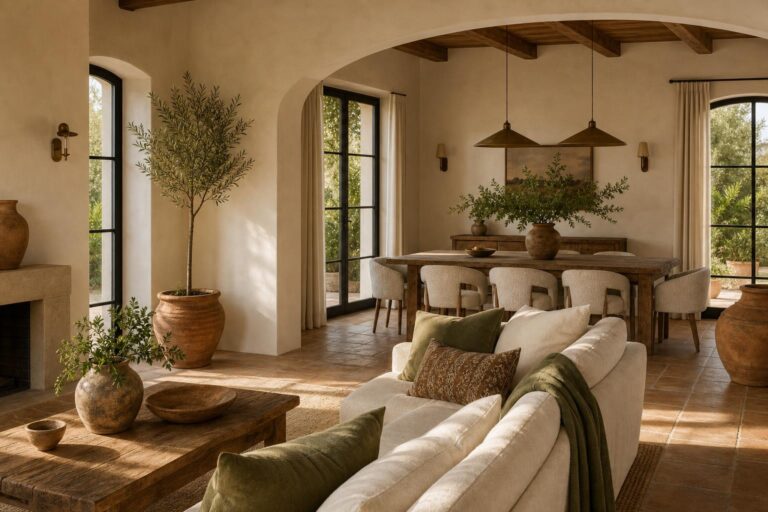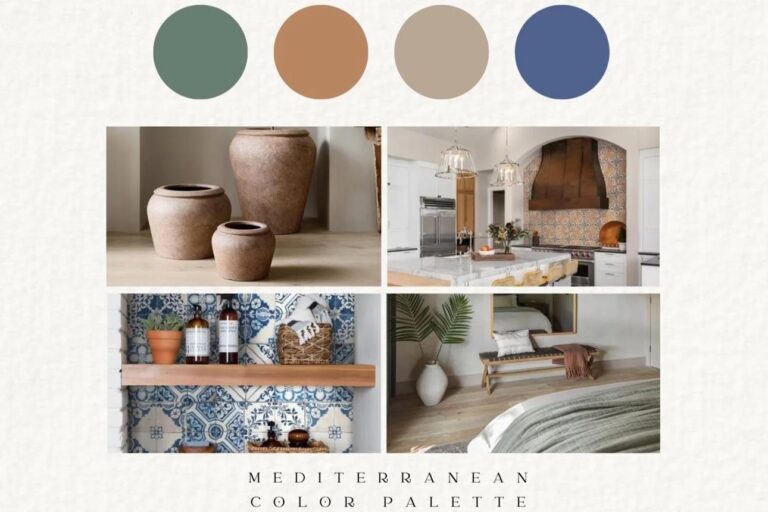
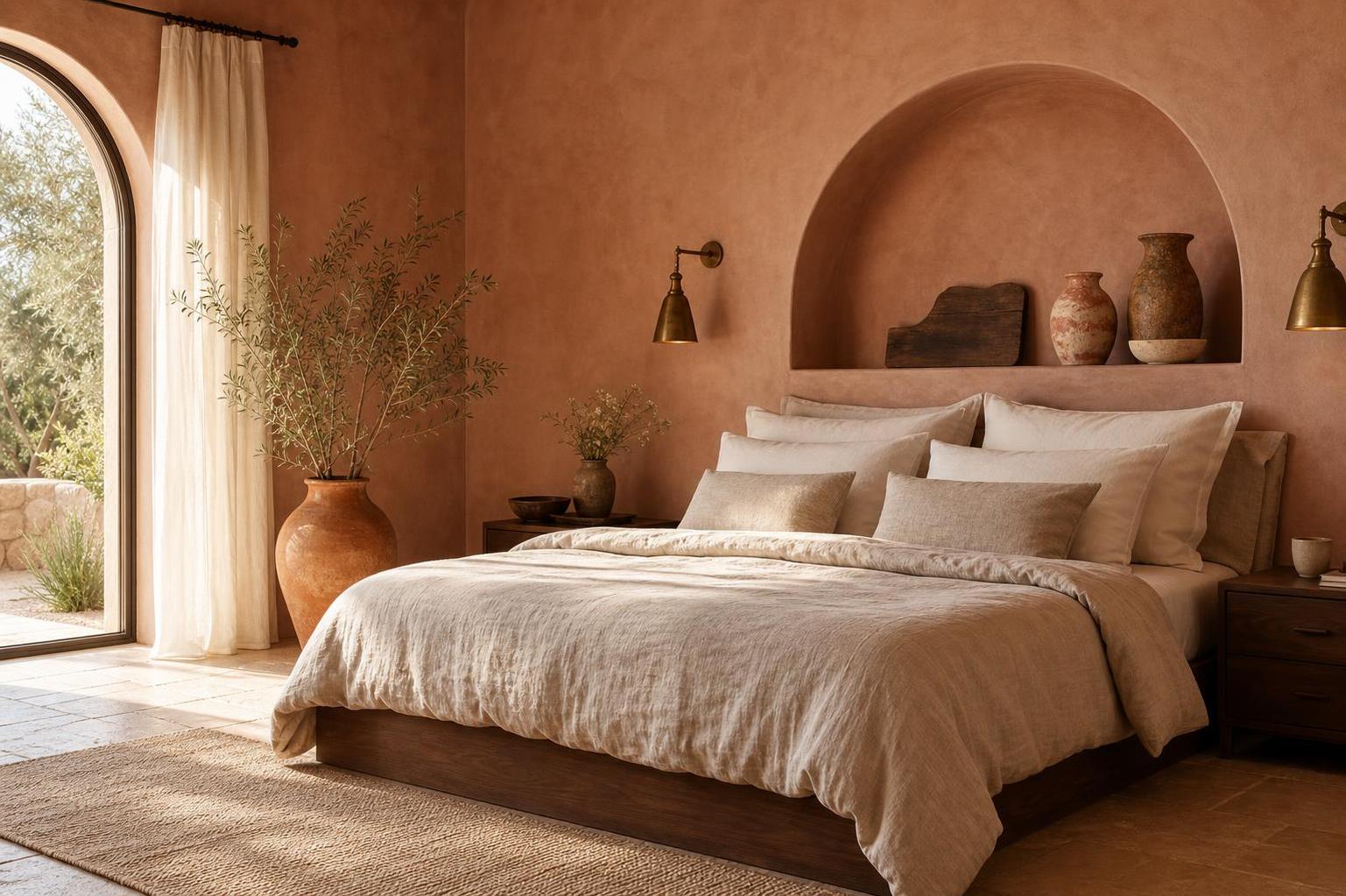
Dusty Rose and Sand Mediterranean Color Palette Ideas for Soft Bedroom Retreats
Dusty Rose and Sand Mediterranean Color Palette Ideas for Soft Bedroom Retreats
A Mediterranean bedroom does not have to be bright blue, stark white, or covered in heavy pattern to feel authentic. Some of the most beautiful Mediterranean interiors are built from subtle, sun-faded colors that feel as if they have been softened by salt air, plaster walls, and years of afternoon light. A dusty rose and sand palette is perfect for creating that feeling. It brings warmth without becoming loud, romance without looking overly sweet, and softness without losing the earthy character that makes Mediterranean design so timeless.
This color story works especially well in bedrooms because it is restful, flattering, and easy to layer. Dusty rose adds a gentle blush tone inspired by faded clay, old pink plaster, and bougainvillea petals. Sand brings the palette back to the coast with warm beige, oat, flax, and limestone shades. Together, they create a quiet Mediterranean retreat that feels elegant, lived-in, and deeply calming.
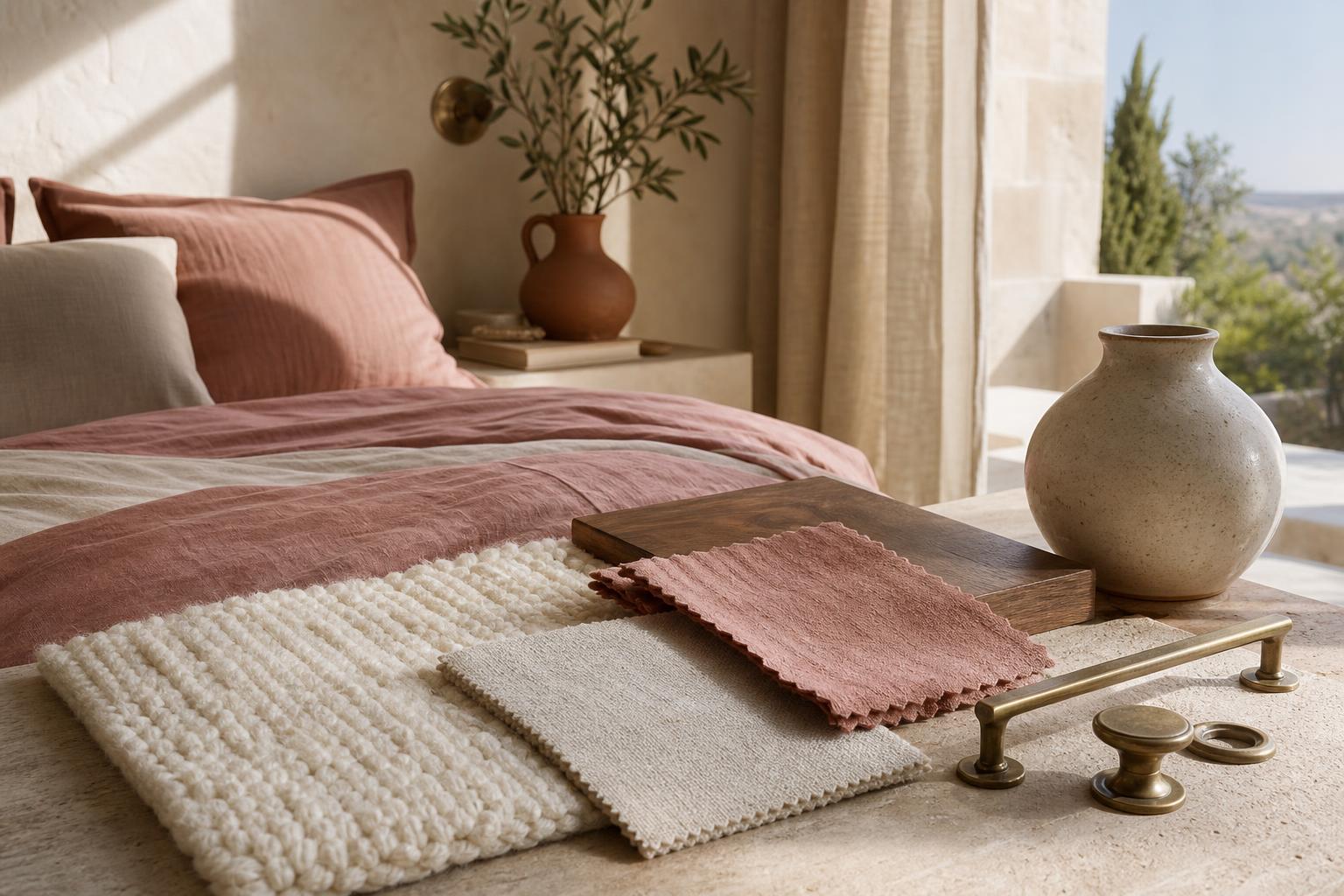
Why Dusty Rose and Sand Work So Well in Mediterranean Interiors
Mediterranean color palettes are rarely flat. They are usually inspired by materials rather than paint chips: terracotta, limewash, aged wood, linen, stone, woven grasses, handmade ceramics, and metal that has softened over time. Dusty rose and sand succeed because they both feel connected to natural surfaces. Neither color feels synthetic when chosen correctly.
Dusty rose can echo the warmth of pale terracotta, sun-washed clay, or old villa walls. Sand can reference limestone floors, woven baskets, raw cotton, beach pathways, and unbleached linen. When these two colors meet, the bedroom feels warm but not heavy, feminine but not fragile, and relaxed but still designed.
The key is to avoid a sugary pink and a cold beige. A Mediterranean dusty rose should have brown, clay, or mauve undertones. A Mediterranean sand should be warm, mineral, and slightly golden rather than gray. When the undertones are earthy, the whole scheme feels grounded.
The Core Palette: Six Colors to Build Around
A successful room needs more than two colors. Dusty rose and sand are the main story, but the palette becomes richer when you add supporting tones that feel natural and architectural.
1. Dusty Rose as the Soft Feature Color
Use dusty rose where you want atmosphere. It can work beautifully on plaster-look walls, an upholstered headboard, linen bedding, a quilt, or decorative pillows. For a bedroom, the most sophisticated version is muted and slightly chalky. Think faded rose petals, natural clay, or antique textile dye rather than bubblegum pink.
If you are cautious with color, keep dusty rose to bedding and accessories. If you want a cocooning room, use it on the walls in a matte or limewash-inspired finish. The softness of the color helps it feel restful even when used generously.
2. Sand as the Foundation Neutral
Sand should be the grounding shade of the room. Use it for curtains, rugs, larger bedding layers, lampshades, baskets, or painted trim. A sand neutral keeps the room feeling bright and Mediterranean without relying on pure white.
Look for shades described as flax, oatmeal, warm beige, wheat, natural linen, or stone. These tones create the relaxed background that allows dusty rose to look elegant instead of overly decorative.
3. Ivory for Light and Freshness
Ivory gives the palette breathing room. Use it for sheets, pillowcases, a wool rug, a ceramic vase, or a simple lampshade. In Mediterranean bedrooms, ivory usually feels softer than bright white. It works with warm light and natural textures, while pure white can sometimes look too sharp against dusty rose.
4. Muted Terracotta for Depth
A small amount of terracotta is important because it connects dusty rose to classic Mediterranean warmth. Use muted terracotta in a ceramic lamp, a small bowl, a bedside vase, or a narrow stripe on a cushion. Too much terracotta can make the room feel more rustic and less serene, so use it as an accent rather than a dominant color.
5. Walnut or Dark Oak for Contrast
Soft palettes need contrast to avoid looking washed out. Walnut, dark oak, or warm stained wood gives a dusty rose bedroom structure. A wood bed frame, nightstands, bench, mirror frame, or small writing desk can add depth and prevent the design from feeling overly pale.
6. Aged Brass for a Warm Glow
Aged brass is ideal for this palette because it reflects Mediterranean sunlight in a quiet way. Use it for sconces, drawer pulls, curtain rods, picture frames, or a small tray. Avoid very shiny gold if you want an authentic, relaxed look. Brushed, antique, or unlacquered brass feels more timeless.
Where to Use Dusty Rose in the Bedroom
Dusty rose is beautiful, but placement matters. In a Mediterranean bedroom, the goal is not to make a pink room. The goal is to make a warm, nuanced retreat where rose acts like a softened architectural tone.
For the strongest impact, consider dusty rose walls with sand bedding and ivory accents. This creates a plastered villa feeling and works especially well when the finish is matte. If you rent or do not want to paint, choose a dusty rose linen duvet, quilt, or upholstered headboard instead.
A dusty rose headboard is a particularly elegant choice because it frames the sleeping area without overwhelming the whole room. Pair it with sand curtains, ivory sheets, and walnut nightstands for a balanced Mediterranean look. If the room is small, use dusty rose on the lower half of the bed through throws and pillows, keeping the walls lighter.
Another option is to use dusty rose in artwork. Abstract landscapes, faded botanical prints, or simple textile wall hangings can bring the color into the space subtly. This is ideal if you prefer a neutral room but want a Mediterranean color accent that feels warm and personal.
How to Layer Sand Neutrals Without Making the Room Boring
Sand is quiet, which is exactly why it works. But a room with only one beige tone can look flat. To make sand feel sophisticated, layer several warm neutrals with different textures. For example, combine flax linen curtains, an ivory wool rug, a sandy cotton blanket, a woven rattan tray, and a stone-colored ceramic lamp.
Texture is just as important as color. Mediterranean design depends on touchable materials. A sand palette becomes interesting when it includes linen slubs, woven fibers, rough ceramics, carved wood, plaster finishes, and soft wool. Even if every piece is neutral, the room will feel layered because the surfaces respond to light differently.
Try not to match every neutral perfectly. A Mediterranean bedroom should feel collected rather than showroom-perfect. Slight variations among oat, flax, ivory, almond, and limestone tones give the space soul.
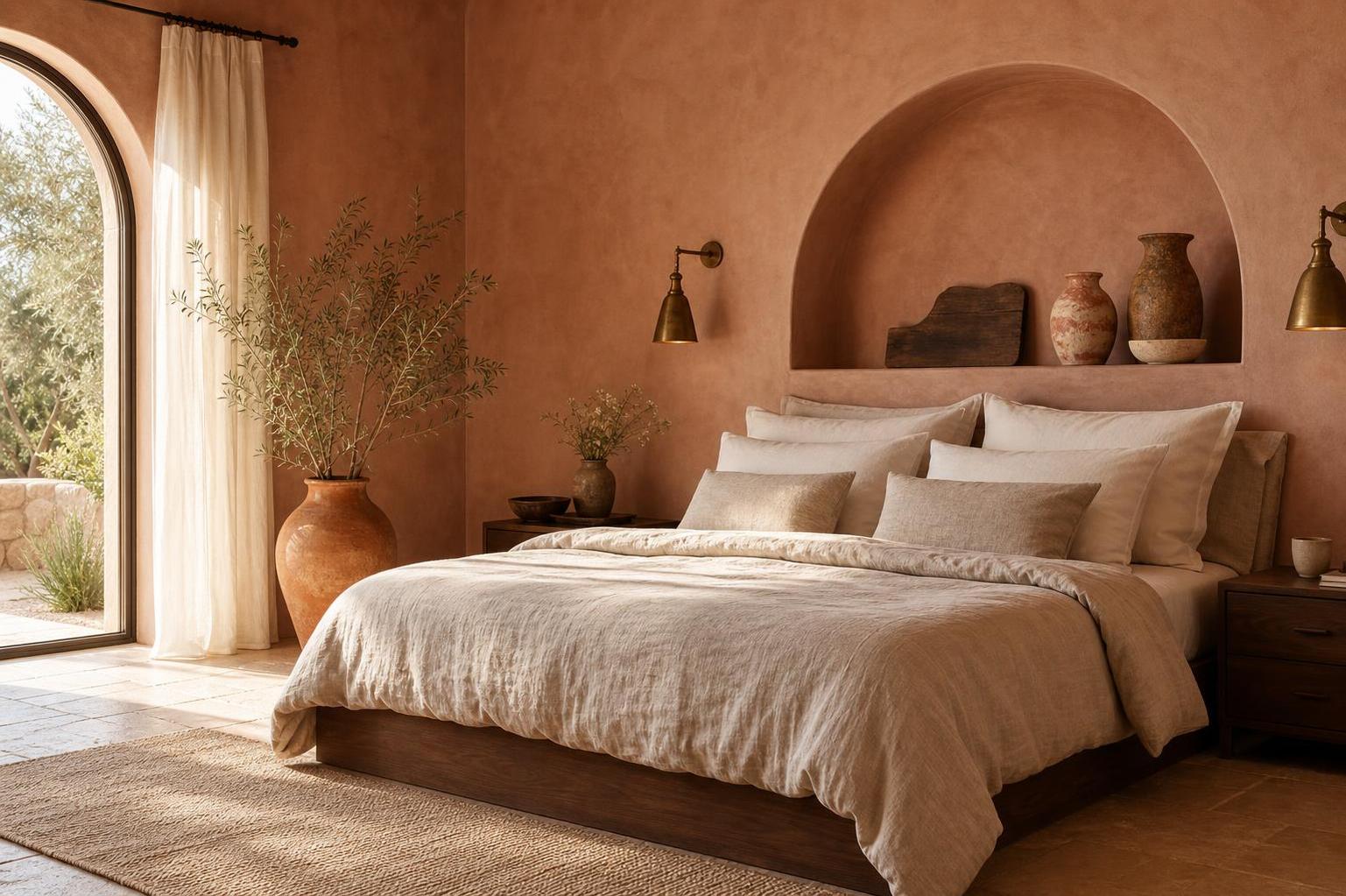
Wall Color Ideas for a Dusty Rose and Sand Bedroom
Walls set the mood for the whole palette. If you want the bedroom to feel enveloping, choose a dusty rose plaster tone. A matte finish is essential. Glossy paint can make rose look too polished, while a chalky finish makes it feel architectural and relaxed.
If you prefer a lighter bedroom, choose sandy beige or warm ivory walls and bring dusty rose in through textiles. This approach is especially good for smaller bedrooms, north-facing rooms, or spaces with limited natural light. A warm sand wall color can create a Mediterranean glow even on cloudy days.
Another refined option is a two-tone wall treatment. Use warm sand on most of the wall and dusty rose inside an arched niche, behind the headboard, or on a painted border. This creates a subtle architectural detail without requiring major renovation.
For a more handmade look, consider a limewash-inspired paint effect in either dusty rose or sand. The slight movement in the finish gives the walls depth and helps the room feel less flat. This is one of the easiest ways to create Mediterranean atmosphere without adding many decorative objects.
Bedding Combinations That Feel Mediterranean
Bedding is the easiest place to test this palette. Start with ivory or natural linen sheets for freshness. Add a sand-toned duvet or coverlet, then bring in dusty rose through a quilt, throw, or two large pillow shams. This creates a soft color transition rather than a single block of pink.
If you want a more romantic look, reverse the combination with a dusty rose duvet and sand pillows. Keep the sheets ivory and add one terracotta or walnut-toned accent pillow for depth. The result feels warm and inviting but still calm enough for a bedroom retreat.
Avoid overly crisp bedding arrangements. Mediterranean bedrooms look best when they feel relaxed and tactile. Linen naturally wrinkles, and that casual texture is part of the charm. Fold a throw loosely at the foot of the bed, mix pillow sizes, and allow the bedding to look comfortable rather than staged.
Furniture Finishes That Balance the Soft Palette
Because dusty rose and sand are gentle colors, furniture should provide grounding. Walnut, dark oak, or medium-toned rustic wood is ideal. A wooden bed frame, simple nightstands, or a bench at the foot of the bed will anchor the room and add Mediterranean warmth.
For a lighter look, choose cane or rattan details. A cane headboard or woven-front nightstand works beautifully with sand neutrals. However, if every piece is pale, the room may lack definition. Add at least one darker wood piece, even if it is a small stool, mirror frame, or side table.
Painted furniture can also work, especially in warm ivory, clay beige, or muted taupe. Avoid cool gray furniture because it can clash with the warmth of dusty rose. Mediterranean color palettes usually feel best when the undertones are sun-warmed and earthy.
Textiles: Curtains, Rugs, Pillows, and Throws
Textiles are where this color palette becomes truly inviting. Choose curtains in natural linen, sand cotton, or gauzy ivory. Floor-length curtains make the bedroom feel taller and softer. If privacy is important, layer sheer panels with heavier sand-colored drapes.
For rugs, choose ivory wool, natural jute, faded kilim, or a low-contrast patterned rug that includes rose, beige, rust, or brown. A rug can tie the palette together without making the room look too coordinated. If the bedroom already has warm wood floors, an ivory or sand rug will brighten the space while keeping it calm.
Pillows should feel collected. Combine solid linen pillows with one patterned textile, perhaps in faded terracotta, rose, and sand. The pattern should look sun-washed rather than crisp and high-contrast. Mediterranean rooms often feel more authentic when patterns appear aged or handmade.
Decor Accents That Make the Palette Feel Authentic
Decor should support the atmosphere rather than clutter the room. Handmade ceramics are perfect for this palette. Choose vases, bowls, or small lamps in ivory, sand, terracotta, or blush clay tones. Imperfect shapes are welcome because they add the artisanal quality that Mediterranean design celebrates.
Use woven baskets for storage, especially near the bed or under a console. A basket in seagrass, palm, or rattan brings texture and keeps the soft palette from feeling too polished. Add a few books with neutral covers, a brass tray, and perhaps a small olive branch or dried floral stem.
For walls, consider simple framed art in warm tones. A faded landscape, abstract plaster study, or botanical sketch can add personality without disrupting the peaceful mood. Keep frames in aged brass, walnut, or light natural wood depending on how much contrast the room needs.
Lighting for a Soft Mediterranean Glow
Lighting can make or break this palette. Dusty rose and sand look most beautiful under warm light. Choose bulbs with a soft warm temperature rather than cool white. The goal is an evening glow that makes the rose tones feel rich and the sand tones feel golden.
Aged brass sconces are excellent beside the bed, especially if you want to save space on nightstands. Ceramic table lamps in terracotta, ivory, or sand also work beautifully. Choose fabric shades in linen or warm white to diffuse the light gently.
If you use pendant lighting, keep it natural. Woven pendants, plaster-style shades, or warm brass fixtures fit the Mediterranean mood. Avoid overly modern chrome or black fixtures unless the rest of the room has enough warmth to balance them.
Small Bedroom Tips for This Color Palette
In a small bedroom, use sand and ivory as the main colors and dusty rose as the accent. This keeps the room airy while still giving it personality. A dusty rose throw, art print, or pair of pillow shams may be enough to establish the palette.
Choose furniture with slim legs or rounded edges so the room feels lighter. Wall-mounted sconces can free up nightstand space. Use mirrors with arched or softly rounded frames to reflect light and add Mediterranean architecture without renovation.
Keep patterns minimal in small rooms. Instead of several prints, focus on texture: linen bedding, a jute basket, a ceramic lamp, a wool rug, and a wood nightstand. The palette will feel rich even without many decorative pieces.
Common Mistakes to Avoid
- Choosing a pink that is too bright: Look for clay, mauve, or brown undertones so the room feels Mediterranean rather than childish.
- Using cold beige: Sand should feel warm and mineral, not gray or flat.
- Skipping contrast: Add walnut, dark oak, aged brass, or terracotta so the palette does not become too pale.
- Overdecorating the theme: Mediterranean style is strongest when it comes from materials, texture, and light rather than obvious motifs.
- Using harsh lighting: Cool bulbs can make dusty rose look dull and sand look lifeless.
A Simple Formula to Recreate the Look
If you want an easy starting point, use this formula: warm sand walls, ivory sheets, dusty rose quilt, walnut nightstands, aged brass sconces, ivory rug, terracotta ceramic lamp, and linen curtains. This combination gives you the full Mediterranean feeling without requiring a complete renovation.
For a bolder version, choose dusty rose walls instead, then balance them with sand bedding, ivory curtains, and dark wood furniture. For a lighter version, keep the walls ivory and introduce dusty rose only through bedding and ceramics.
The palette is flexible because every color belongs to the same warm, natural family. As long as you keep the undertones earthy and the textures relaxed, the room will feel cohesive.
Product Ideas for a Dusty Rose and Sand Mediterranean Bedroom
When shopping for this look, prioritize materials over decoration. Linen, cotton, wool, wood, ceramic, brass, rattan, and stone will make the palette feel more authentic than synthetic fabrics or glossy finishes. Even a few carefully chosen pieces can shift the room toward a softer Mediterranean mood.
Shop the Mediterranean Look
Bring this dusty rose and sand Mediterranean bedroom palette to life with soft textiles, warm metals, natural wood, and handmade-looking accents.
- dusty rose linen duvet cover
- sand-colored linen curtains
- terracotta ceramic table lamp
- walnut wood nightstand
- aged brass wall sconce
- ivory wool area rug
Conclusion: A Softer Way to Design a Mediterranean Bedroom
A dusty rose and sand Mediterranean color palette is ideal for anyone who wants a bedroom that feels warm, peaceful, and quietly romantic. It moves away from predictable coastal blues and instead focuses on the gentler side of Mediterranean design: faded plaster, natural linen, warm stone, handmade ceramics, aged brass, and sun-softened clay tones.
The beauty of this palette is its balance. Dusty rose adds emotion and warmth, while sand keeps the room grounded and serene. Ivory brings light, terracotta adds depth, walnut introduces contrast, and brass provides a soft evening glow. Together, these elements create a bedroom retreat that feels timeless, personal, and deeply restful.
Whether you paint the walls, update the bedding, change the lighting, or simply add a few ceramic accents, this color story can transform a bedroom without making it feel overly themed. The result is Mediterranean design at its most intimate: warm, tactile, elegant, and made for slow mornings and quiet nights.