Mediterranean Bedroom Ideas for a Small Room Without a Closet
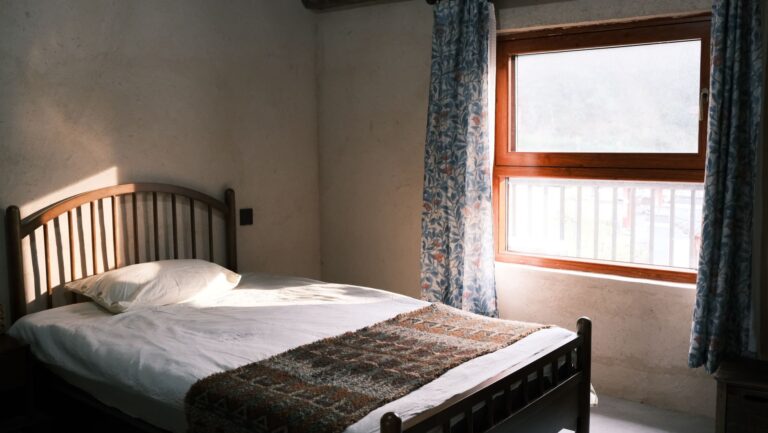
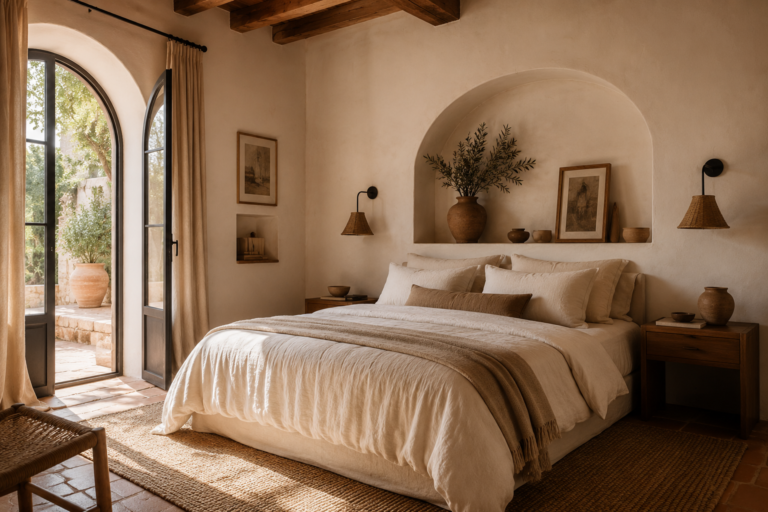
A small bedroom without a closet can quickly become a negotiation between beauty and belongings. The bed wants to breathe, the laundry needs somewhere to go, and every visible storage piece risks making the room feel more like a hallway than a place to sleep. In a Mediterranean home, especially one inspired by modest Provençal bedrooms rather than grand villas, the answer is not to add more decoration. It is to make storage feel architectural, keep materials honest, and let a few warm details carry the room.
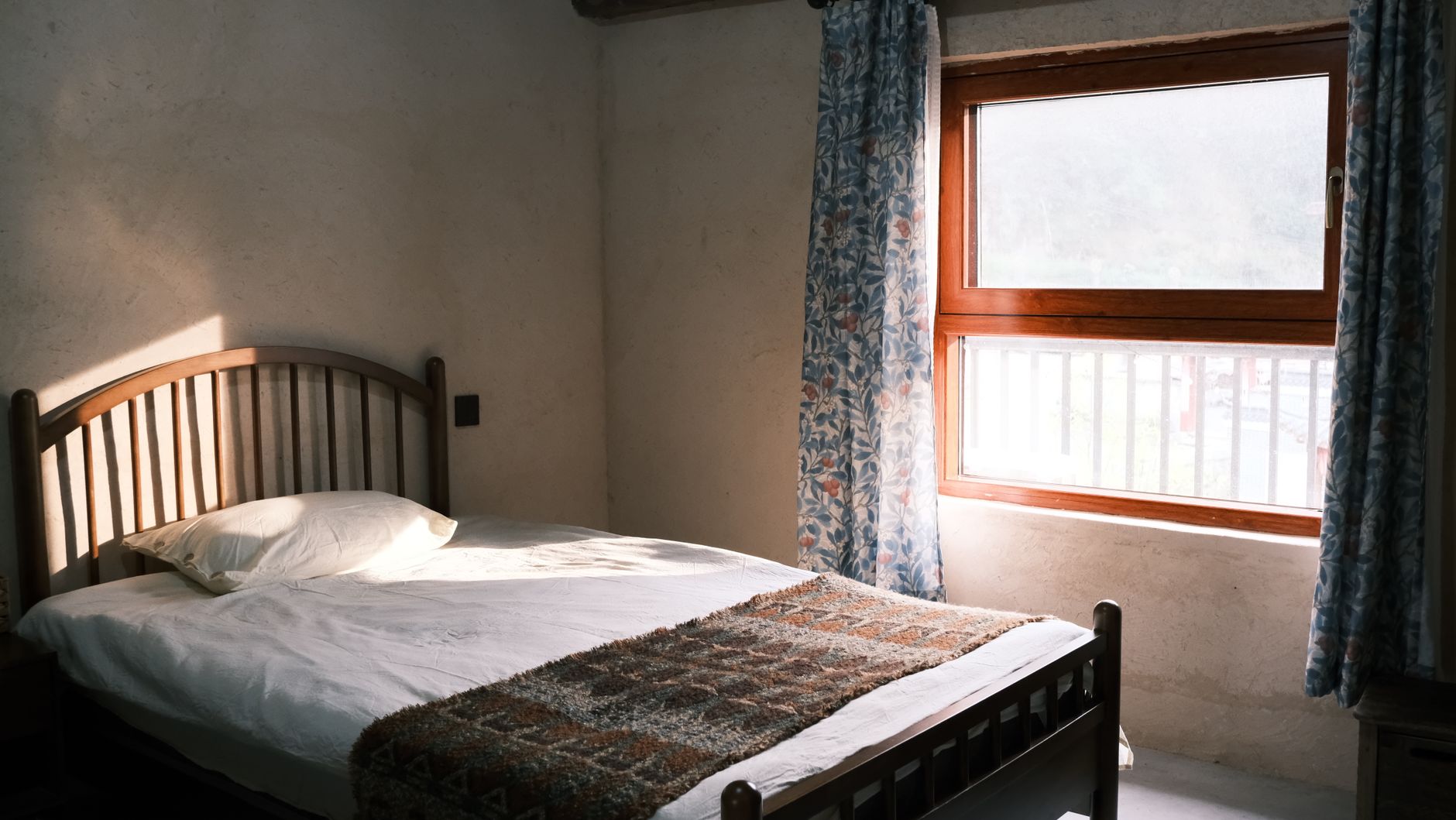
The most convincing small Mediterranean bedrooms often look simple at first glance: limewashed walls, a linen-covered bed, a wooden bedside table, a ceramic lamp, perhaps a basket under a bench. But that simplicity is carefully edited. The room works because the storage is low, the lighting is soft, the palette is sun-faded rather than high contrast, and nothing is pretending to be larger or richer than it is.
Begin with the bed wall, not the missing closet
When a bedroom lacks a closet, the instinct is often to solve storage first. That can lead to a wall of bulky wardrobes before the room has any atmosphere at all. Start instead with the bed wall, because it determines how calm the room feels when you enter.
In a small Mediterranean bedroom, the bed should usually sit against the longest uninterrupted wall, even if that means using only one full-size bedside table. A centered bed looks elegant, but symmetry is not always worth the lost storage. If the room is very narrow, place the bed slightly off center and balance it with lighting, art, or a slim shelf rather than forcing matching furniture on both sides.
For the wall behind the bed, avoid anything too glossy or patterned. A chalky white, warm plaster beige, pale sand, or softened olive gray will do more for the room than a dramatic feature wall. If the surfaces are imperfect, let them be. Mediterranean bedrooms are forgiving when walls look hand-finished, not clinically smooth.
A headboard is optional. In a room where every inch matters, a padded headboard can steal depth. Consider a low timber headboard, a simple linen slipcovered panel, or no headboard at all with substantial pillows and a slightly darker paint tone behind the bed. The goal is to create a visual resting place without loading the wall.
Replace closet thinking with quieter layers of storage
A missing closet does not always need to be replaced by one enormous wardrobe. In fact, a single oversized cabinet can make a small room feel smaller because it creates one heavy block. Mediterranean rooms tend to feel better when storage is divided into useful, modest pieces.
Think in layers: closed storage for the things you do not want to see, open hooks for daily garments, baskets for soft overflow, and a small surface for the items that usually end up on the bed. This approach feels more natural in an old village house or compact apartment where rooms have evolved over time.
Closed storage for visual calm
If you need a wardrobe, choose one with plain doors, visible wood grain, or a painted matte finish. Avoid mirrored doors, glossy white laminate, and ornate faux-Mediterranean carving. A simple pine, oak, or painted cabinet with blackened iron pulls will sit more comfortably with linen and plaster.
Height matters. A very tall wardrobe can be useful, but if it nearly touches the ceiling it may feel oppressive in a small room. In low rooms, a slightly lower armoire with baskets or folded blankets above can feel more relaxed, provided the top is styled sparingly. Leave breathing room where possible; a shadow line above a cabinet can be surprisingly important.
Open storage for everyday pieces
Wall hooks are practical, but they need discipline. Two or three brass, wood, or blackened metal hooks near the door can hold tomorrow’s shirt, a linen robe, or a market basket. Six hooks overloaded with coats will undo the calm of the entire scheme.
If you use a freestanding rail, keep it narrow and edited by season. Choose wood or dark metal rather than chrome. A rail can look charming with linen shirts and woven hangers, but it becomes visual noise when packed with plastic hangers, garment bags, and mismatched colors.
Use Mediterranean materials in lighter doses
Mediterranean style is often associated with terracotta, rustic timber, iron, and stone, but a small bedroom cannot carry all of those materials at full volume. The trick is to choose one or two warm anchors and keep the rest quiet.
If the floor is already terracotta tile, let it be the deepest color in the room. Pair it with washed linen, pale walls, and unfinished wood rather than adding heavy rugs and dark furniture. If the floor is modern wood or pale carpet, bring in Mediterranean character through a ceramic lamp, a woven basket, a plaster-toned wall color, or a small rustic stool.
Matte finishes are your friend. Shiny surfaces bounce light in a way that can feel sharp in a small bedroom. Limewash, eggshell paint, raw or oiled timber, unglazed ceramics, cane, and natural linen absorb light softly. They are also more forgiving of daily life.
Be careful with wrought iron. A little blackened metal gives definition, especially in hooks, narrow lamp bases, or cabinet pulls. Too much can turn the room theatrical. The Provençal version of Mediterranean restraint is warm, not stage-set.
Choose bedside furniture that earns its footprint
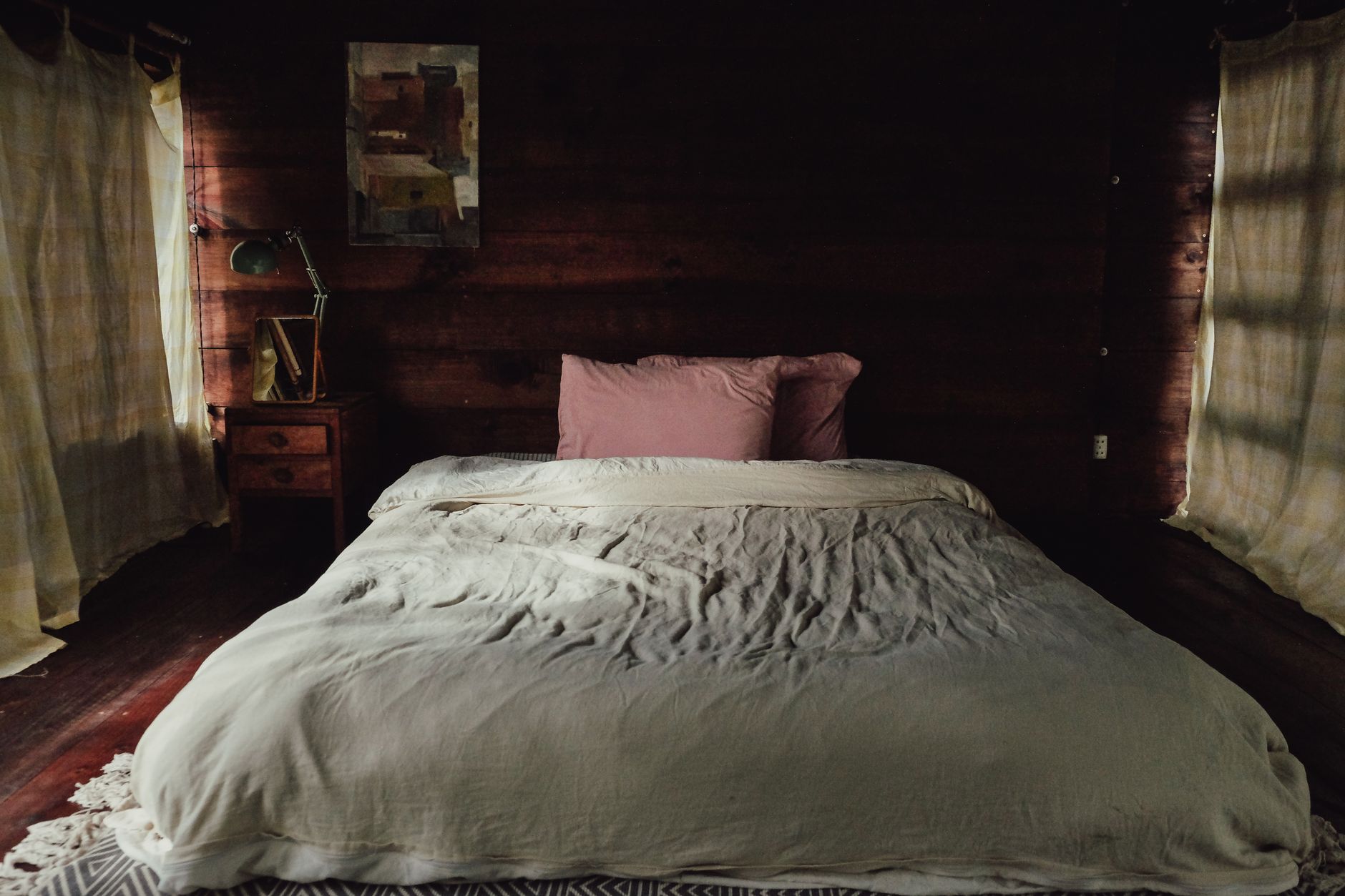
In a closet-free room, bedside tables should do more than hold a book. They need to contribute storage without becoming bulky. A small wooden nightstand with a drawer and lower shelf is often more useful than a delicate pedestal table, especially if you need somewhere for chargers, sleep masks, notebooks, or folded textiles.
If there is no room for two nightstands, use one proper bedside piece and one wall-mounted shelf, stool, or narrow ledge on the tighter side. This asymmetry can feel very natural in a Mediterranean bedroom if the materials relate to each other. For example, a rustic wood nightstand on one side and a plaster-colored wall shelf on the other will feel intentional if both are quiet and useful.
A bench at the end of the bed is helpful only if circulation allows it. In a tight room, a bench can become an obstacle and a dumping ground. If you have less than comfortable walking space at the foot of the bed, use under-bed baskets instead, or place one lidded basket in a corner for spare linens.
Do not underestimate the value of under-bed storage, but keep it attractive if it is visible. Woven baskets, canvas bins, or simple wood boxes feel more aligned with Mediterranean interiors than plastic tubs. Store items by category so the room does not become a daily excavation project.
Let lighting do what architecture cannot
Small bedrooms often lack the architectural details that make Mediterranean rooms feel rooted: thick plaster reveals, old shutters, stone floors, or deep window ledges. Lighting can compensate, not by being dramatic, but by making the room feel warmer at night.
Use at least two sources of light if possible. A single ceiling fixture, especially a bright one, flattens texture and makes storage pieces look harsher. A ceramic or rustic wood table lamp beside the bed gives the room weight and softness. If floor space allows, a linen-shade floor lamp in a corner can make the room feel more furnished without adding much visual clutter.
Lampshades should soften the bulb rather than display it. Natural linen, paper, rattan, or simple fabric shades work well. Avoid clear glass bases, exposed industrial bulbs, and cool-toned light. Mediterranean bedrooms are most persuasive when the evening light feels low, warm, and slightly shadowed.
If your room has no wiring for sconces, plug-in lamps or table lamps are usually better than trying to force a complicated fixture. Keep cords tidy along baseboards or behind furniture. A visible cord is not a failure, but a tangled one will make the whole room feel unfinished.
Keep textiles relaxed but not careless
Linen is the natural choice for this kind of bedroom, but it needs structure around it. Too much rumpled fabric in a small room can look messy rather than effortless. Balance linen bedding with a neatly folded coverlet, a firmer pillow arrangement, or a simple wooden surface nearby.
Choose a restrained palette: chalk, oatmeal, flax, clay, faded olive, warm gray, or muted ochre. You do not need all of them. Two neutrals and one earth tone are enough for most small bedrooms. If the room has visible clothing storage, keep bedding even quieter so the eye has somewhere calm to land.
Window treatments should be light but not flimsy. Unlined linen curtains can be beautiful in a sunny room, but if privacy or darkness matters, consider a simple shade behind them. Avoid heavy puddled drapes in a tiny bedroom; they collect dust and visually shrink the floor. Curtains that just kiss the floor, or a relaxed Roman shade in natural fabric, often feel more appropriate.
Rugs require restraint. If you have terracotta or timber floors, a small bedside rug may be enough. A large patterned rug can help soften acoustics, but choose faded tones and a low pile so doors and storage baskets still move easily. Leave some floor visible. In Mediterranean rooms, the floor material is part of the beauty.
A compact bedroom checklist before you buy anything
Use this checklist before adding furniture or storage. It keeps the room focused on function first, then atmosphere.
- Decide what must live in the bedroom. Separate daily clothing from seasonal storage. If winter coats or suitcases can live elsewhere, the bedroom will immediately feel lighter.
- Measure door swings and drawer clearance. A beautiful armoire is not useful if its doors hit the bed or its drawers cannot open fully.
- Choose one main storage piece. This might be a wardrobe, dresser, or under-bed system. Let the other pieces support it rather than compete with it.
- Keep one wall visually quiet. Small rooms need a place for the eye to rest. Do not cover every wall with hooks, shelves, art, and mirrors.
- Use baskets only where they solve a real problem. Baskets are attractive, but too many can look like clutter wearing a natural texture.
- Plan lighting at bed height. A lamp you can reach easily will be used more often than a decorative fixture placed for symmetry alone.
- Edit color by what is visible. If clothing is on display, keep hangers, baskets, bedding, and curtains within a narrow, sun-faded palette.
Details that make storage feel intentional
The difference between a improvised room and a finished one often comes down to small alignments. Match the tone of your storage pieces where you can: warm oak with warm oak, blackened iron with blackened iron, natural baskets with natural linen. They do not need to match perfectly, but they should feel related.
Use trays for small items on top of dressers or nightstands. A wooden tray or shallow ceramic dish can contain jewelry, lip balm, a watch, and keys without making the surface look busy. In Mediterranean interiors, containment is more elegant than display.
Mirrors are useful in a closet-free bedroom, but place them with care. A tall mirror leaning near a wardrobe can make dressing easier and bounce daylight into the room. Avoid placing a large mirror directly opposite messy open storage; it will double the visual clutter.
Art should be modest in scale. One small landscape, a charcoal drawing, or a framed textile fragment can do more than a large gallery wall. In a small bedroom, the bed, storage, and lighting are already the main composition. Art should support the restfulness of the room, not compete for attention.
Shop the Look
For a small Mediterranean bedroom without a closet, focus on pieces that add warmth and function: a useful bedside surface, soft lamp light, and storage that looks calm even when it is working hard.
- a simple wooden nightstand
- ceramic table lamps
- linen shade floor lamps
- woven storage baskets
- rustic wood table lamps
A small bedroom that feels settled, not squeezed
A closet-free Mediterranean bedroom does not need to hide its limitations. In many older Southern French homes, bedrooms have always relied on armoires, hooks, baskets, and careful habits rather than built-in storage. That history can be an advantage if you let the room feel modest and practical.
Keep the largest pieces calm, the materials matte, the textiles natural, and the storage honest. Give daily objects a place to land, but resist filling every gap with another solution. The room will feel more Mediterranean when it has a little air around its useful pieces: a linen bed against plaster, a wooden nightstand with a warm lamp, a basket that holds what it should, and enough quiet space for the morning light to do the rest.
Affiliate disclosure: La Maison du Sud may earn a commission from qualifying purchases made through links in this article, at no extra cost to you.