Mediterranean Living Room Ideas for a Long Narrow Room
A long narrow living room can look charming in an old village house or city apartment, but it rarely behaves like the square rooms shown in decorating photos. The sofa wants to slide against the longest wall. The coffee table blocks the path. A television, fireplace, or bookcase pulls the room in one direction, while the other end becomes a dim corridor with furniture.
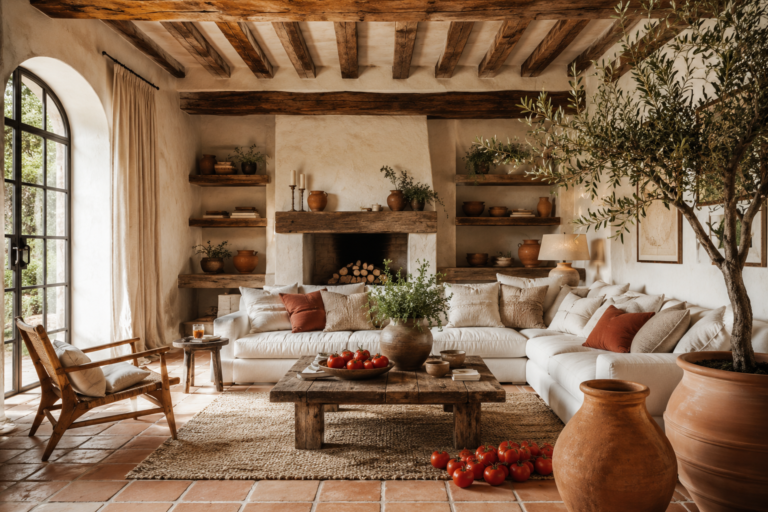
The Mediterranean answer is not to fill the room with arches, heavy iron, and oversized rustic pieces. In a believable Provençal interior, the room feels useful first: limewashed walls, a slim sofa in natural linen, one or two aged wood surfaces, a warm lamp in the dark corner, and enough empty floor to move through without turning sideways. The goal is a room that feels collected and sun-softened, not staged.
Start by diagnosing where the room feels like a hallway
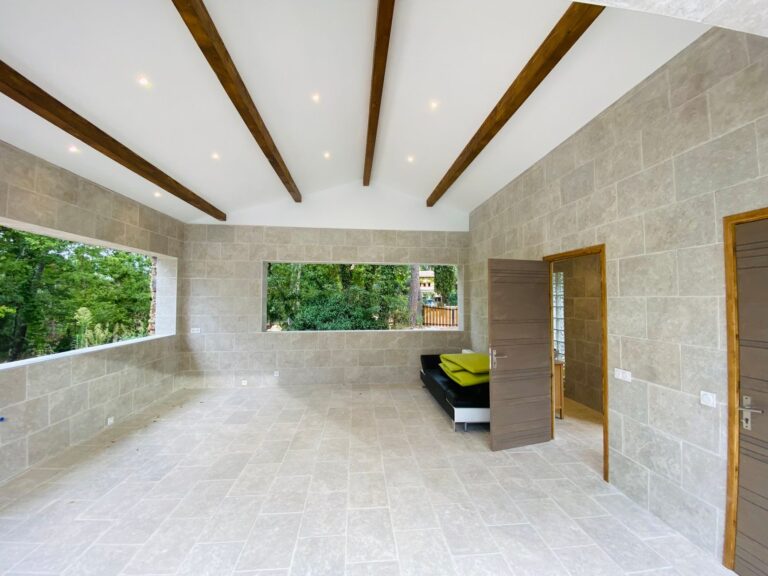
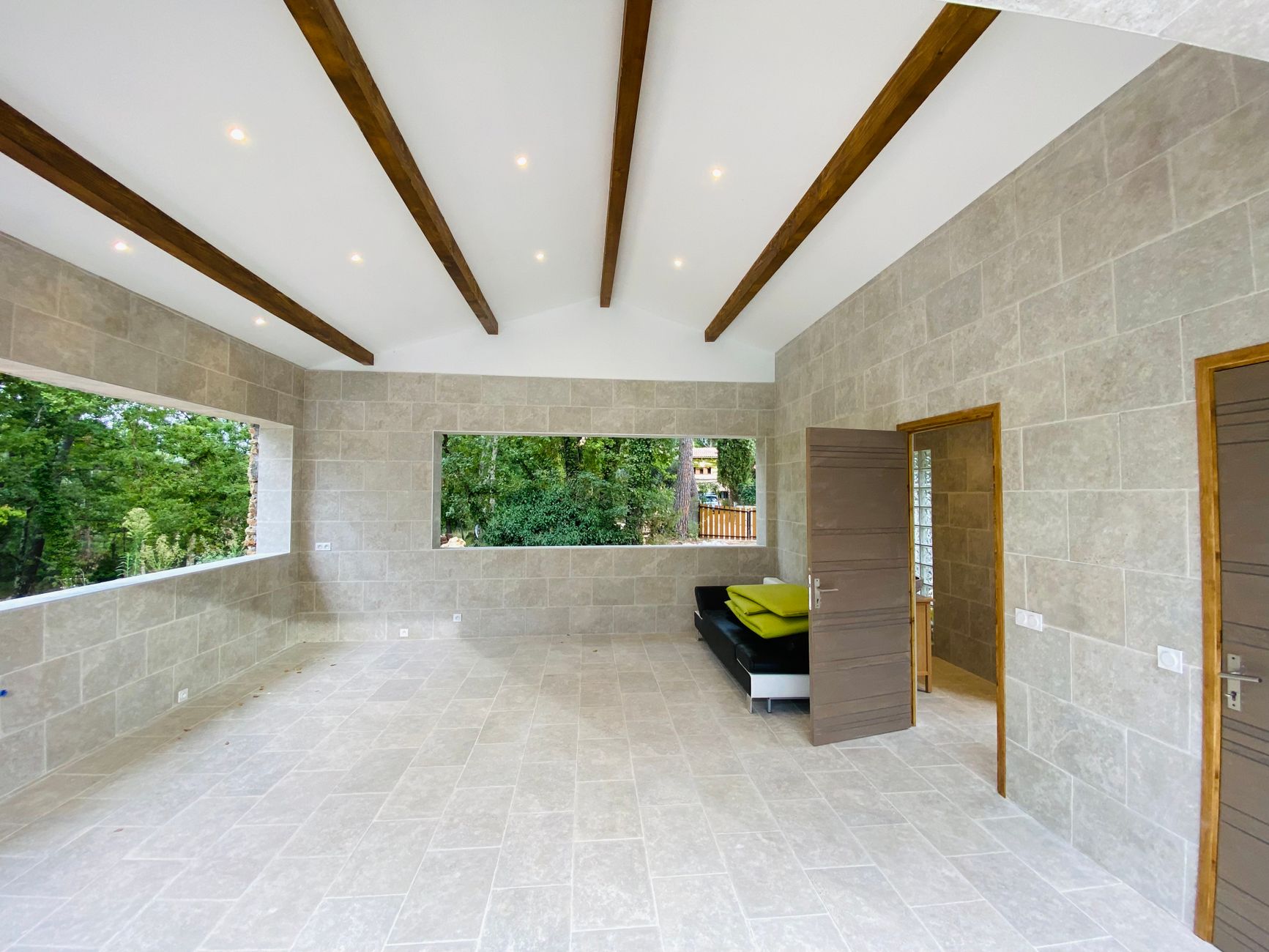
Before choosing new pieces, look at the room from the doorway. Most narrow living rooms fail for one of three reasons: all the furniture is pressed against the long walls, the seating is too deep for the width, or the lighting stops halfway down the room. Each mistake makes the room read as a passage instead of a place to sit.
In a Mediterranean room, the correction should feel quiet. Rather than using one dramatic focal point, create two or three smaller moments: a seating area, a low table surface, and a softened end wall with a lamp, plant, or framed textile. This breaks the length visually without chopping the room into cluttered zones.
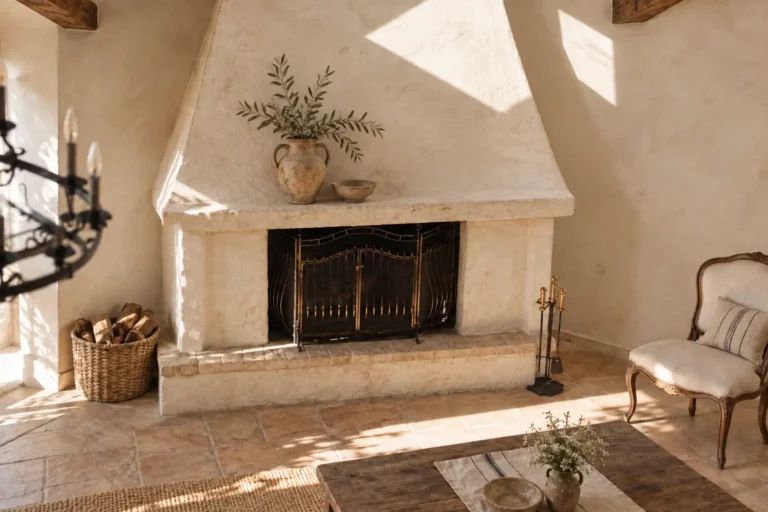
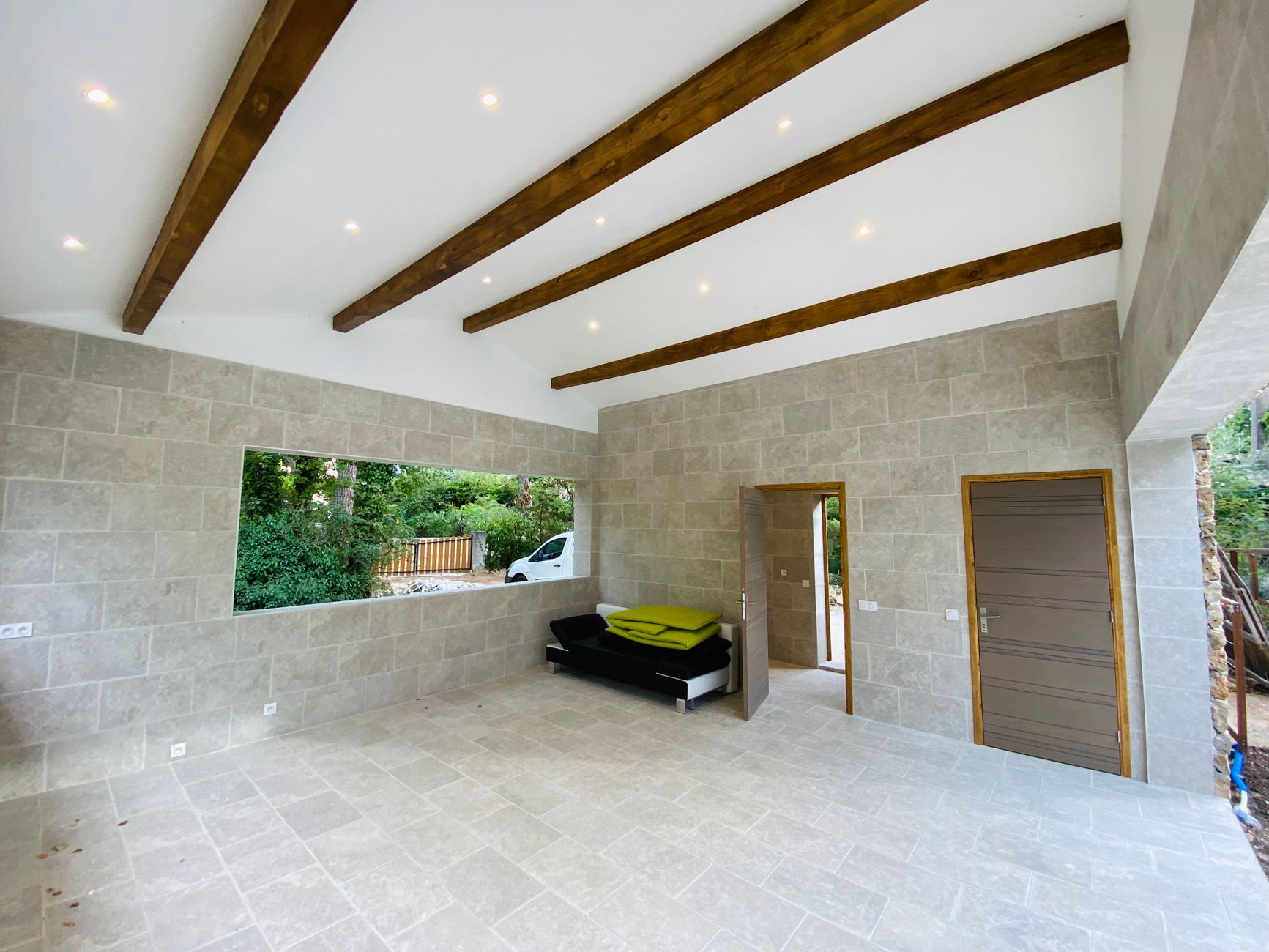
If the room has old stone, plaster texture, terracotta floor tile, or exposed timber, let those materials carry the character. If it is a plain drywall box, you can still create depth with matte paint, linen upholstery, ceramic lamps, wood, and a restrained palette of chalk, sand, olive, clay, and faded brown.
The layout correction: pull one side inward, not everything
The instinct in a narrow room is to preserve every inch of walkway by pushing all furniture to the edges. This keeps the middle open, but it also exaggerates the tunnel effect. A better plan is to let one main piece sit slightly away from the wall while keeping the opposite side lighter.
A slim sofa can float a few inches off the longest wall if the room allows it. That small shadow line behind the sofa makes the wall feel less flat and gives the room a more intentional rhythm. Opposite the sofa, avoid a bulky matching set. Use a narrow bench, a low cabinet, a small slipper chair, or simply a textured wall with lighting. The room needs balance, not symmetry.
When the sofa must stay against the wall
Many long rooms are too tight to float a sofa. In that case, make the wall behind it do more work. A long linen pillow, a pair of small framed works, and a warm table lamp at one end can soften the hard horizontal line. Avoid a gallery wall that runs the entire length of the sofa; it usually makes the room feel even longer.
Choose a sofa with modest arms and visible legs if possible. In Mediterranean homes, comfort matters, but bulk can overwhelm a narrow footprint. A rolled arm that feels charming in a large farmhouse sitting room may steal precious inches here. A straight or gently rounded arm in linen, canvas, or textured cotton is easier to live with.
The 2-3-5 measurement rule for a narrow Mediterranean living room
Use this simple measurement rule before buying anything large. It is not about perfection; it is a way to keep the room graceful and easy to move through.
- 2 feet for the main passage: keep roughly two feet clear where people naturally walk from door to door. More is better, but less begins to feel awkward in daily use.
- 3 inches of breathing room: leave at least a few inches between furniture and wall where possible, especially behind lamps, side tables, and chairs. Shadows create depth.
- 5 inches less depth than you think: for sofas, coffee tables, consoles, and armchairs in a narrow room, choose shallower pieces than your first instinct. Depth matters more than width.
This rule is especially helpful with coffee tables. A chunky square table can block the room even when it technically fits. An oval, narrow rectangular, or small round table is usually kinder to the proportions. If you prefer a Provençal feeling, look for aged wood, travertine, matte ceramic, or cane rather than glossy surfaces.
Use warm materials without making the room heavy
Mediterranean style depends on material warmth, but a long narrow room cannot carry every rustic finish at once. If the floor is terracotta, keep the major upholstery pale and matte. If the walls are already textured or limewashed, use smoother wood and simple linen so the room does not become visually noisy.
Think in layers of weight. Stone, dark wood, thick iron, and deep clay are heavy notes. Linen, pale oak, wicker, cane, and chalky plaster are lighter notes. A narrow room usually needs one or two heavy notes only, then several lighter ones to lift the scheme.
Materials that suit the shape
- Natural linen: excellent for sofas, curtains, and relaxed pillows because it softens strong lines without adding shine.
- Aged wood: useful for a narrow console, side table, or low shelf; avoid oversized farmhouse tables in the sitting area.
- Matte ceramic: ideal for lamps, bowls, and small decorative pieces that bring a handmade feeling.
- Travertine or limestone tones: good for a side table, tray, or lamp base when you want pale warmth instead of dark contrast.
- Blackened iron: best used sparingly, such as a slim lamp detail or curtain rod, rather than heavy shelving.
The most convincing Mediterranean rooms often have restraint. One terracotta lamp on a side table can feel more authentic than a room filled with red clay accents. One woven chair near a window can read warmer than several rattan pieces competing for attention.
Color should shorten the room gently
Long rooms often need a small visual stop at the far end. Paint can help, but the best Mediterranean palettes stay soft and mineral. Instead of a sharp accent wall, consider a slightly deeper tone on the end wall: muted olive, warm sand, mushroom, dusty clay, or a chalky ochre. The shift should be noticeable in daylight but not theatrical at night.
If you prefer pale walls throughout, use textiles to create the stop. A linen curtain, an old wooden cabinet, a ceramic lamp, or a large woven shade at the far end can give the eye a place to rest. The point is not to create drama; it is to prevent the space from feeling endless.
For a South of France mood, avoid icy whites and high-contrast black-and-white schemes. Choose off-white, cream, stone, and greige with warm undertones. Pair them with olive, tobacco, clay, faded rust, or soft umber. Blue can work, but in a narrow living room it is best used in weathered, greyed, or textile-like tones rather than bright coastal blue.
Lighting: three pools are better than one bright ceiling
A single ceiling light often makes a narrow room look flatter because it throws light down the center and leaves the corners dull. Mediterranean interiors feel better with pools of warm light at different heights. Place one lamp near the seating area, one at the far end, and one lower glow near a shelf, console, or side table.
A floor lamp is useful when there is no room for a large side table. Choose a base that feels grounded but not bulky: wood, ceramic, travertine, or a slender dark metal. A linen shade will diffuse light softly, while a rattan shade adds texture and patterned shadow. If the room is already visually busy, choose linen; if the room feels too plain, choose woven texture.
Table lamps also help control the length of the room. A ceramic or terracotta lamp at one end of a console can make that end feel furnished without adding another chair. If the room has a television, place a softer lamp away from the screen so the evening atmosphere is not dominated by a black rectangle.
What to do with the long wall
The longest wall is usually where people overdecorate. It can look empty, so they add too many frames, shelves, or sconces in a row. The result is a wall that emphasizes the very length they are trying to soften.
Treat the long wall in sections. Behind the sofa, keep the art low and related to the seating area. A pair of modest frames, a single textile, or one horizontal work can be enough. Farther down, leave breathing space before adding another element. In older Provençal houses, walls often feel calm because not every surface is asked to perform.
If you need storage
Use low storage rather than tall storage whenever possible. A long, low cabinet can work if it is shallow and matte, but avoid glossy media units that feel too sharp for the style. Baskets can be practical, but keep them discreet; too many baskets quickly drift into generic decor rather than a refined Mediterranean room.
Open shelves should be edited carefully. Mix books with ceramics, a small framed piece, or a bowl, but leave some empty space. A shelf packed from end to end will make the narrow room feel tighter.
Textiles that soften without crowding
Textiles are where the room becomes comfortable, but they need discipline. In a narrow living room, large patterns can feel restless, especially when viewed from the doorway. Choose texture before pattern: slub linen, washed cotton, flatweave wool, cane, or a faded stripe.
If you use a rug, make sure it relates to the seating rather than stretching the full room like a runner. A rug that is too long can reinforce the corridor effect. A better choice is a rug that anchors the sofa and table, leaving exposed floor at the entry and far end. On terracotta or limestone floors, a muted flatweave with sand, olive, clay, or faded brown can soften acoustics without hiding the beauty of the floor.
Curtains should be simple. Natural linen panels hung close to the ceiling can make the room feel taller, but keep the fabric light enough to move. Heavy drapery belongs in a more formal setting and can make a narrow room feel airless.
Shop the Look
For a long narrow Mediterranean living room, choose pieces that add warmth vertically and texturally without stealing too much floor space.
- wooden floor lamp
- linen shade floor lamp
- ceramic table lamp
- travertine table lamp
- kilim pillow cover
A narrow room can still feel settled
The best Mediterranean living room for a long narrow space is not the fullest one. It is the room where the walkway is clear, the lighting reaches the corners, the materials feel honest, and the color palette has enough warmth to soften the proportions. Begin with the sofa depth, then the passage, then the lamps. Add texture slowly. Let plaster, linen, wood, ceramic, and shadow do more than decoration.
When the room stops feeling like a corridor, the style becomes easier. A modest lamp, a worn wooden table, pale linen, and one quiet clay or olive note can be enough to suggest the South of France without forcing the theme.
Affiliate disclosure: La Maison du Sud may earn a commission from qualifying purchases made through links in this article, at no extra cost to you.