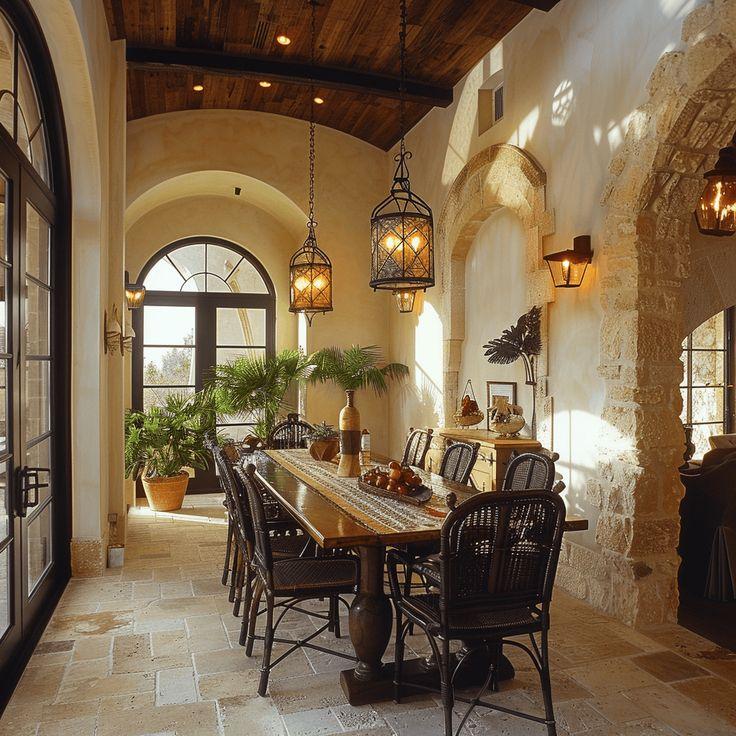
Mediterranean Pendant Lighting Over a Dining Table: Scale, Height, and Warm Materials
A dining room can have the right table, the right chairs, and still feel unsettled if the pendant above it is the wrong scale. Too small, and the room looks unfinished. Too large, and every meal feels staged beneath a showroom prop. In Mediterranean interiors, the best pendant lighting does not shout for attention. It creates a warm pool of light, adds texture overhead, and makes the table feel like the natural center of the room.
The challenge is that Mediterranean pendant lighting covers a wide range: woven rattan, aged brass, ceramic shades, iron lanterns, milk glass, linen drums, and sculptural plaster-like forms. The right choice depends less on copying a villa in Provence or a farmhouse in Mallorca and more on reading your own dining area carefully: table shape, ceiling height, wall finish, existing wood tones, and how much light the room already receives.
Begin With the Table, Not the Pendant
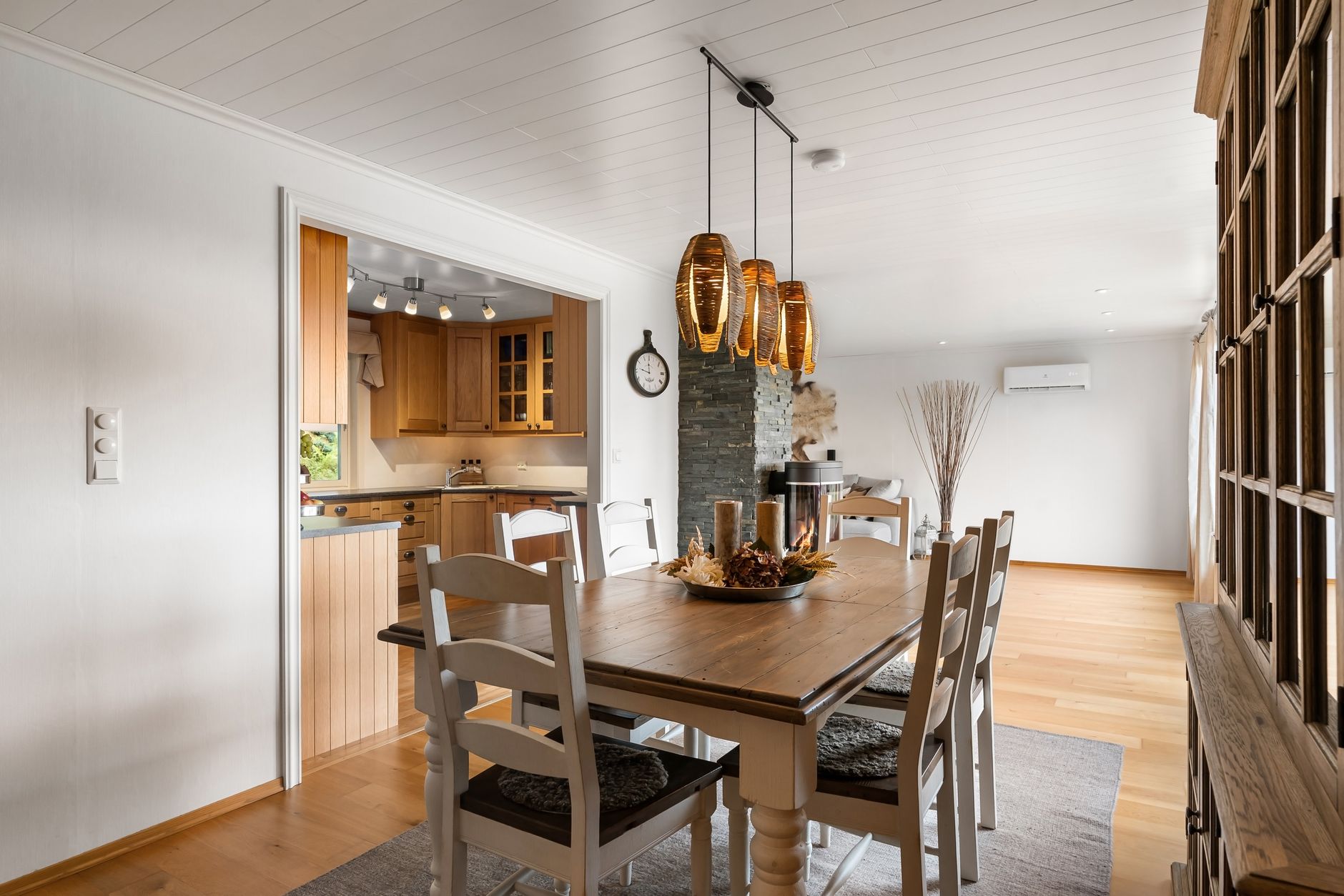
The dining table is the visual anchor, so the pendant should respond to it rather than compete with it. A long rectangular farmhouse table usually needs either one elongated fixture, two medium pendants, or a loose cluster that spreads light across the length. A round table can carry a single central pendant beautifully, especially if the shade has a soft bell, dome, globe, or lantern shape.
Before choosing a material or finish, look at the table from three distances: standing in the doorway, seated at the table, and walking around the perimeter. A pendant has to work from all three viewpoints. A fixture that looks dramatic from the doorway may hang too low when guests are seated. A tiny shade that seems delicate close up may disappear once viewed across an open-plan living space.
For Mediterranean character, the pendant should feel connected to the table surface. A thick oak table can handle a more substantial woven or metal fixture. A slim café-style table may look better with a lighter brass or rattan shade. If your dining table already has heavy carved legs, a visually dense chandelier can make the whole setting feel weighed down. In that case, a pendant with open weave, slender metalwork, or a linen-like shade keeps the room breathable.
The Measurement Rule That Keeps the Light in Proportion
There is no single perfect pendant size for every dining room, but a clear measurement rule prevents the most common mistakes. Use it as a starting point, then adjust for shade transparency, ceiling height, and the visual weight of the material.
- Width: choose a pendant or grouping that is roughly one-half to two-thirds the width of the dining table.
- Length: over a rectangular table, leave generous space at both ends so the fixture does not visually overhang place settings.
- Height: hang the bottom of the pendant about 30 to 36 inches above the tabletop in many standard dining rooms, adjusting higher for tall guests, very large shades, or open sightlines.
- Clearance: make sure seated guests can see each other comfortably beneath or around the fixture; conversation matters more than drama.
A woven shade may be able to run slightly larger than a solid metal shade because it allows air and shadow through the form. A dark iron lantern, by contrast, reads heavier and may need to be smaller or hung a little higher. If the ceiling is low, diameter often matters more than drop. A broad, shallow pendant can give presence without crowding the table.
For rooms with very high ceilings, resist the urge to hang the pendant too close to the ceiling. Mediterranean dining rooms feel intimate because light drops toward the human scale. A fixture floating far above the table may illuminate the room, but it will not make dinner feel warm. Use a longer chain, cord, or rod if the fixture design allows, and let the pendant visually belong to the table rather than the ceiling.
Materials That Feel Mediterranean Without Looking Themed
Mediterranean style is often strongest when materials look honest: woven fibers, aged metals, ceramic, wood, plaster, linen, stone, and glass. The pendant is an opportunity to introduce one of these textures overhead, especially in a dining room that otherwise has plain drywall, simple furniture, or minimal decoration.
Woven rattan and seagrass
Woven pendants are a natural fit for Mediterranean dining rooms because they soften hard surfaces. They work especially well with limewash-style walls, terracotta floors, pale stone, weathered oak, and simple linen curtains. Their main advantage is atmosphere: the weave casts gentle shadow and prevents the dining area from feeling overly polished.
The trade-off is light control. An open weave may scatter light rather than direct it cleanly onto the table. If your dining room is used for homework, board games, or detailed serving, choose a woven fixture with a more defined inner shade or plan additional light from sconces, lamps, or recessed fixtures. In a room used mostly for relaxed dinners, the dappled quality can be part of the charm.
Aged brass and warm metal
Brass gives Mediterranean pendant lighting a quieter elegance. It pairs well with walnut, dark-stained chairs, marble, travertine, cream walls, and black iron accents. The most timeless brass finishes are usually softened rather than mirror-bright: aged, brushed, antique, or unlacquered-looking tones tend to sit more naturally beside rustic materials.
A brass pendant is particularly useful if the room already has plenty of woven texture in chairs, rugs, baskets, or shades elsewhere. It introduces contrast without feeling cold. To keep brass from looking too formal, combine it with relaxed elements on the table: a linen runner, handmade-looking ceramics, a rustic bowl, or olive branches in a low vase.
Ceramic, plaster, and matte finishes
Matte ceramic or plaster-like pendants suit dining rooms that lean toward quiet Mediterranean minimalism. They look beautiful against textured walls and can feel more architectural than decorative. The risk is that a solid opaque shade may send light downward in a narrow beam, leaving the ceiling and walls dim. This can be lovely over a small round table, but in a dark room it may feel cave-like unless supplemented by wall lights or lamps.
If you choose a ceramic or matte pendant, pay attention to the interior of the shade. A pale interior reflects more light. A dark interior creates mood but may reduce practical brightness. The goal is not to flood the room, but dinner should not disappear into shadow.
Light Quality Is the Detail Guests Actually Feel
The shape of a pendant attracts attention during the day; the quality of the light defines the dining room at night. Mediterranean rooms often use warm, layered light because it flatters natural materials. Stone looks softer, wood looks richer, and plaster walls gain depth when the light is warm rather than bluish.
Choose bulbs and controls with care. A pendant over a dining table benefits from a dimmer whenever the wiring allows it. Bright light helps with setting the table and cleaning up; lower light makes meals feel more relaxed. If adding a dimmer is not possible, use lower-output bulbs and supplement with side lighting so the pendant is not doing every job alone.
Glare is the other issue. A bare bulb inside a woven pendant can be beautiful from a distance but harsh when seen from a seated position. Frosted bulbs, shaded bulbs, or fixtures that conceal the bulb slightly are often more comfortable. Sit at the table before finalizing the hanging height if you can. If the bulb is directly in your line of sight, the pendant may need to move higher, use a different bulb, or be swapped for a design with a deeper shade.
The color of nearby surfaces changes the effect. White plaster walls bounce light and make a modest pendant feel brighter. Dark beams, deep wood furniture, and heavy drapes absorb light. In a dining room with darker finishes, you may need a pendant with more openings, a lighter shade interior, or secondary lighting around the room.
Single Pendant, Pair, or Cluster?
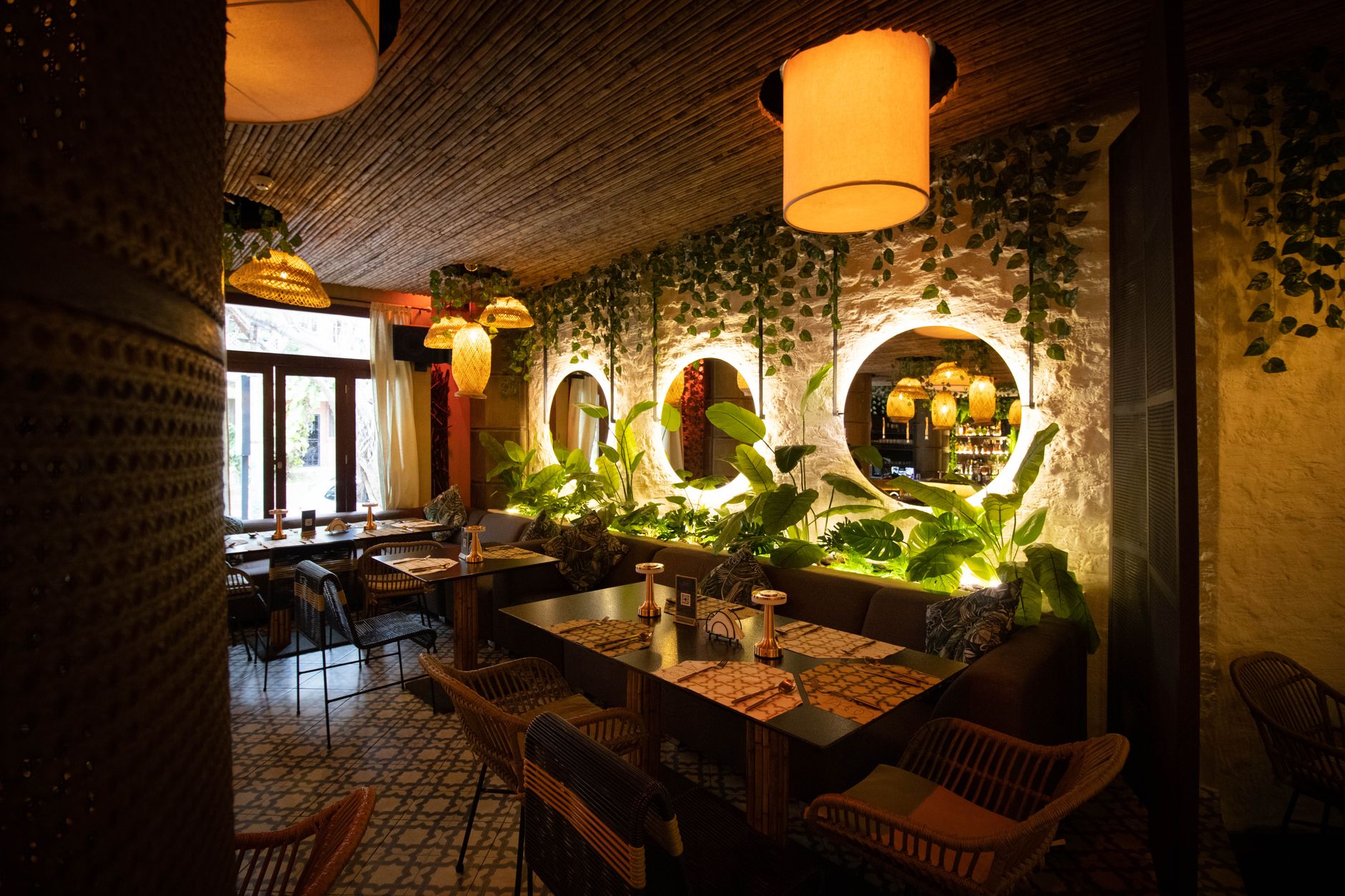
The number of pendants should follow the table and the architecture. A single pendant creates calm symmetry, which suits round tables, square rooms, and compact dining nooks. It is also the simplest choice when the ceiling box is already centered. In Mediterranean interiors, one generous woven or brass pendant can be enough, especially if the rest of the room has strong materials.
Two pendants work well over long tables, but spacing is everything. They should feel like a pair, not like two unrelated fixtures sharing a ceiling. Leave enough room between them so each shade has presence, while keeping the pair visually centered over the table. Matching pendants are usually safer than mixing two different designs, unless the room is intentionally eclectic and the fixtures share a material or finish.
A cluster can be beautiful in a more relaxed Mediterranean dining room, particularly with small ceramic, glass, or woven shades at slightly varied heights. The difficulty is installation and balance. Clusters require careful placement so they do not block views or create uneven light. They also look best when the ceiling height gives them room to breathe. In a low-ceilinged dining area, a cluster can quickly feel busy.
If your dining table is not centered under the ceiling junction box, do not ignore the problem. A swagged cord, ceiling hook, or professional relocation may be necessary depending on the fixture and the room. A pendant that is centered in the ceiling but not over the table will always look slightly accidental. Mediterranean style may embrace imperfection, but this kind of misalignment usually reads as unresolved rather than charming.
How to Balance the Pendant With Walls, Chairs, and Floors
A pendant should be part of the whole dining composition. If the room has strong patterned floor tile, carved chairs, or a very prominent cabinet, choose a quieter pendant. If the walls are plain and the furniture is simple, the light can carry more texture. The best Mediterranean dining rooms feel layered, but each layer needs a different role.
Think about contrast. A rattan pendant above woven cane chairs can work, but only if the tones differ enough or the silhouettes are clean. Too much similar weave at the same height can become repetitive. Pairing woven lighting with solid wood chairs is often easier. Brass lighting, on the other hand, can lift rustic wood and make the dining area feel more considered.
Wall finish also matters. On smooth white drywall, a highly rustic pendant may look imported from another room. Add supporting textures: linen curtains, a plaster-like paint finish, ceramic vessels, or a natural fiber rug. On textured plaster or limewash-style walls, a simple pendant can look richer because the background is already alive.
Flooring changes the mood as well. Terracotta and stone floors already bring Mediterranean warmth, so a pendant can be lighter and less decorative. With standard wood flooring or neutral tile, the light fixture may need to introduce more regional character through material, shape, or finish. Avoid trying to solve the entire room with the pendant alone. If the fixture is the only Mediterranean element, it may look costume-like.
Adjustments for Low Ceilings, Rentals, and Open Dining Areas
Not every dining room has a generous ceiling height or perfectly placed electrical box. In a low-ceilinged room, look for a pendant that is broad rather than tall. Shallow domes, low woven drums, and compact lantern shapes can suggest Mediterranean texture without interrupting the room. Keep the bottom of the fixture high enough that the table feels inviting, not compressed.
Rentals require a different approach. If hardwiring is not possible, a plug-in pendant with a cord and ceiling hook can still create a centered dining moment. The cord should be handled deliberately rather than treated as an afterthought. Run it along a corner, choose a cord color that relates to the wall or fixture, and keep the rest of the ceiling area uncluttered. A visible cord is acceptable when it looks intentional.
In open-plan spaces, the pendant helps define the dining zone. This is where Mediterranean materials can be particularly useful. A woven shade separates the table from a sofa area without building a wall. A brass pendant can relate to cabinet hardware or picture frames nearby. The goal is connection, not exact matching. If the kitchen island already has pendants, the dining light should coordinate in warmth or finish but not necessarily repeat the same fixture.
Pay attention to sightlines from adjacent rooms. A pendant that looks perfect from the table may block artwork, a window view, or the line between kitchen and living room. When in doubt, choose a slightly more open shape. Mediterranean interiors rely on ease and movement; the dining light should not feel like an obstacle.
Finishing the Dining Table Beneath the Light
Once the pendant is installed, the table surface should support it without becoming crowded. A large pendant does not need a tall centerpiece underneath. In fact, tall flowers directly below a low fixture can create visual congestion. Low bowls, ceramic dishes, linen runners, and small seasonal branches usually work better.
If the pendant is woven, add one or two smoother surfaces below it: glazed plates, glassware, polished serving pieces, or a simple stone tray. If the pendant is brass or metal, bring in softness with linen napkins, rustic ceramics, or a slubby runner. This exchange of textures is what keeps Mediterranean rooms from becoming one-note.
Keep everyday maintenance in mind. Woven shades can collect dust in the weave and may need gentle cleaning with a soft brush or cloth. Brass and metal finishes show fingerprints depending on the surface and should be cleaned according to the finish rather than aggressively polished. Glass shades reveal smudges quickly, especially over a table where candles and serving dishes add residue to the air. The most beautiful pendant is one you can realistically keep looking cared for.
Shop the Look
These pendant styles fit the dining-room approach above: warm materials, visible texture, and enough presence to center the table without overwhelming it.
- rattan pendant lights for a relaxed dining table
- woven pendant lights with Mediterranean texture
- brass pendant lights for a warmer, more refined look
A Pendant That Belongs to the Room
The right Mediterranean pendant over a dining table is rarely the most ornate option. It is the one that makes the table feel grounded, the faces around it feel softly lit, and the surrounding materials feel richer. Start with proportion, then choose a material that adds what the room is missing: texture, warmth, refinement, or quiet architecture.
When the scale is right and the light is comfortable, the pendant stops looking like a separate purchase and starts feeling like part of the room’s rhythm. That is the real measure of success in a Mediterranean dining space: not perfection, but a sense that the room has settled into itself.
Affiliate disclosure: La Maison du Sud may earn a commission from qualifying purchases made through links in this article, at no extra cost to you.