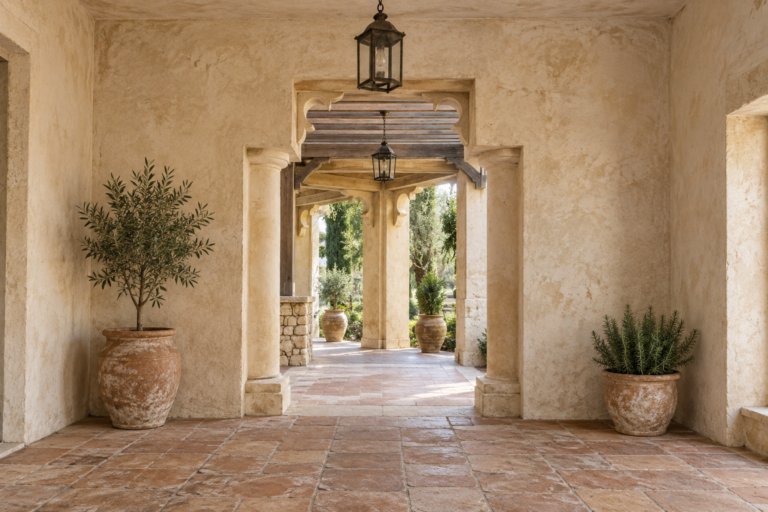
Mediterranean Lighting Ideas for Rooms Without Ceiling Fixtures
A room can look beautifully Mediterranean at noon and strangely unfinished after sunset. Limewashed walls turn gray, terracotta loses its warmth, and a linen sofa that felt relaxed in daylight begins to float in a dim corner. The problem is often not the furniture or the palette. It is the absence of low, layered light.
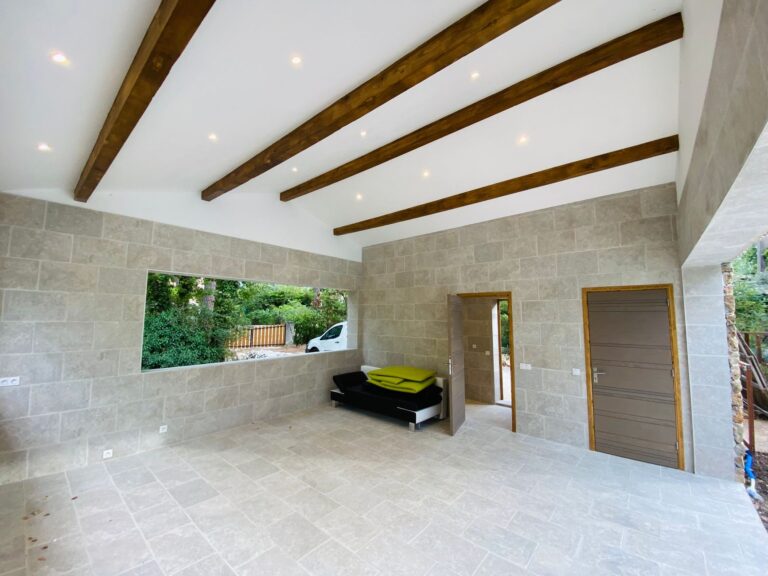
Many older apartments, village houses, and renovated rooms do not have a central ceiling fixture in the right place, or they have no overhead lighting at all. That constraint can actually help. Mediterranean rooms rarely need a single bright light from above. They feel more convincing when illumination comes from shaded lamps, earthy materials, and small pools of warmth placed where life actually happens: beside a chair, near a bed, on a console, or across a textured plaster wall.
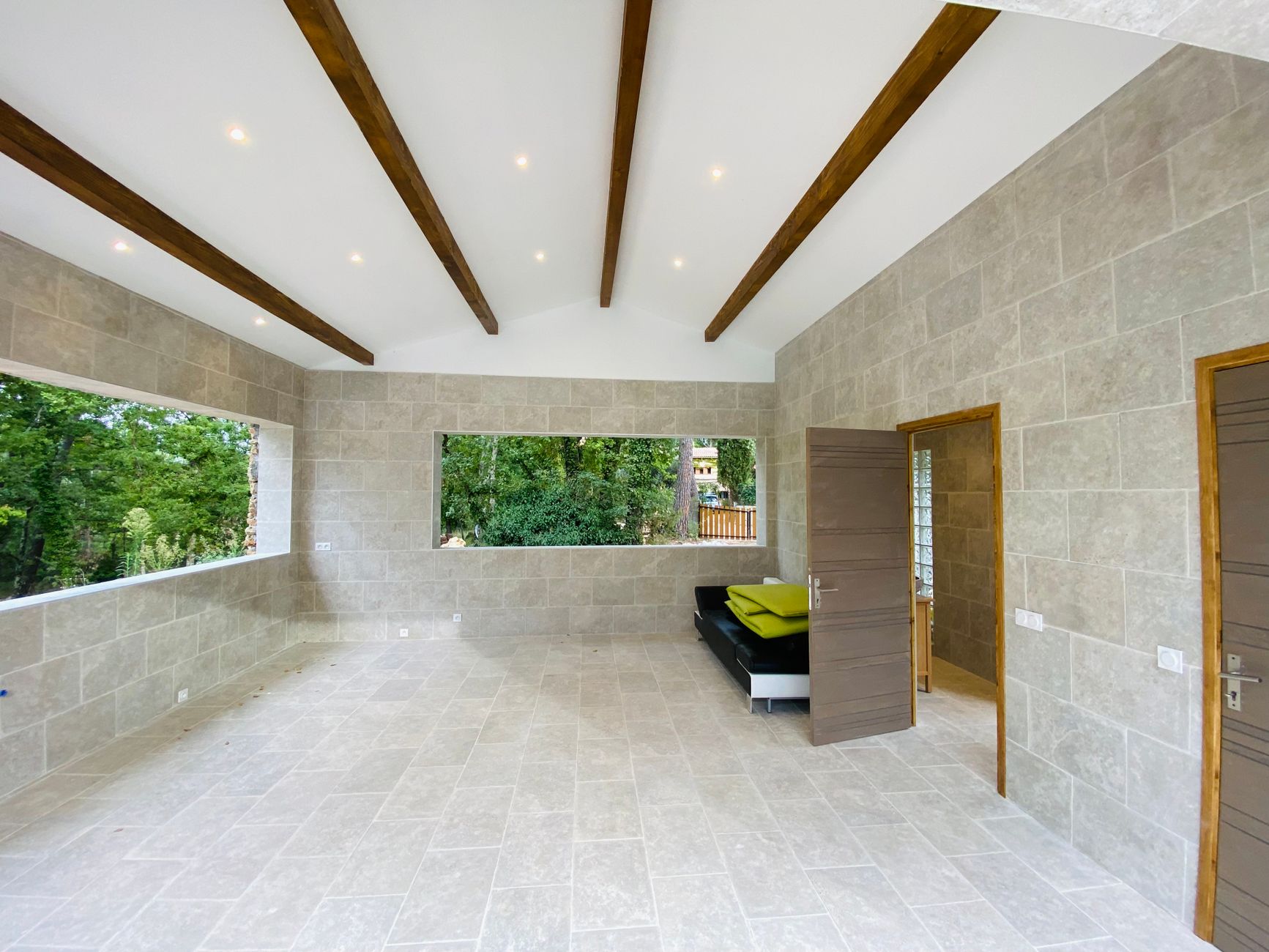
This guide focuses on a practical lighting plan for rooms where you do not want to open walls, chase wires, or install new junction boxes. The goal is a warm, lived-in atmosphere that suits stone, plaster, aged wood, linen, and terracotta without making the room look staged or overly themed.
Map the Room Before Choosing a Lamp
When there is no ceiling fixture, it is tempting to buy one dramatic floor lamp and hope it solves the whole room. It rarely does. A single lamp creates one bright island and leaves everything beyond it in shadow. In a Mediterranean interior, especially one with matte surfaces, that can make corners feel heavy and walls look flat.
Start by observing how the room is used after dusk. A sitting room may need light for reading, conversation, and circulation toward a doorway. A bedroom may need bedside light, a soft glow near a wardrobe, and enough illumination to make the room feel calm rather than cave-like. A dining corner without a pendant may need light on faces and the tabletop without turning into a desk lamp arrangement.
Walk the room and note three things: where outlets already exist, where people sit or move, and which surface deserves attention. In a Provençal room, that surface might be a limewashed wall, an old timber beam, a stone fireplace, or a simple linen curtain. Lighting those materials softly is often more elegant than trying to flood the entire room.
Also consider the finish of the floor. Terracotta tile and aged wood absorb light and become richer with warm lamplight. Pale limestone or matte travertine reflects more, so you can often use lower, gentler lamps. Glossy floors are less typical of this look and can create glare, so keep shades opaque or textured rather than glassy and exposed.
Build the Scheme by Height, Not by Matching Sets
A room without ceiling lighting needs vertical rhythm. If every light source sits at the same height, the room feels oddly theatrical: bright at table level and dead above. The better approach is to create a staggered arrangement with one taller source, one mid-level source, and one small accent.
The lamps do not need to match. In fact, matching pairs can feel too hotel-like unless the room is very symmetrical. Mediterranean rooms are more convincing when the pieces share a language rather than an identical design: a linen shade here, a terracotta base there, a quiet brass detail on a nearby table.
The no-ceiling-fixture room checklist
- One tall lamp: place it near a reading chair, sofa end, or dark corner to lift the eye above seated height.
- One table lamp: use it on a console, side table, nightstand, or low cabinet to create a warm pool of light where daily objects gather.
- One small glow: add a low lamp, shaded accent, or candle-like light on a shelf or tray for depth, not brightness.
- One visible texture: aim at plaster, linen, stone, wood, or ceramics so the light has something tactile to reveal.
- One clear path: keep cords away from walkways and avoid running them under rugs where they can become a nuisance or hazard.
This checklist is simple, but it prevents the most common mistake: treating lighting as decoration rather than as a quiet structure for the room.
Choose Materials That Feel Native to Plaster and Stone
Mediterranean lighting works best when the lamp materials could plausibly sit in an old southern house without shouting for attention. The base, shade, and metal finish all matter, because lamps are visible even when they are switched off.
Terracotta is one of the most forgiving choices. It warms up pale plaster and looks especially good near limestone, oak, rush seating, olive green textiles, and off-white linen. A terracotta lamp base should not be too shiny. Matte, chalky, or slightly irregular finishes feel more natural than a hard orange glaze.
Ceramic is useful when the room needs softness rather than rusticity. A ceramic table lamp in warm white, sand, clay, or muted ochre can sit comfortably in a bedroom or living room without making the space feel heavy. If the room already has terracotta floors, paler ceramic may provide better balance than another strong clay tone.
Aged wood pairs well with linen shades and blackened iron details. It is particularly helpful in rooms with white walls that risk feeling too clean. A rustic wood base can visually connect to ceiling beams, antique stools, simple nightstands, or a farmhouse table.
Brass should be used with restraint. A little aged brass brings warmth and reflection, but too much polished metal moves the room away from the quiet character of Provence. Look for forms that feel slim, softly aged, or understated. Brass is especially useful in darker corners because it catches a little glimmer without requiring a glossy surface.
Linen shades are the safest way to create Mediterranean softness. They diffuse light, hide the bulb, and suit chalk, sand, cream, and flax-colored palettes. A pure white shade can feel crisp; a natural linen shade usually feels warmer and more relaxed. Avoid very dark shades unless the room has several other light sources, because they direct light rather than sharing it.
Place Floor Lamps Where the Architecture Needs Help
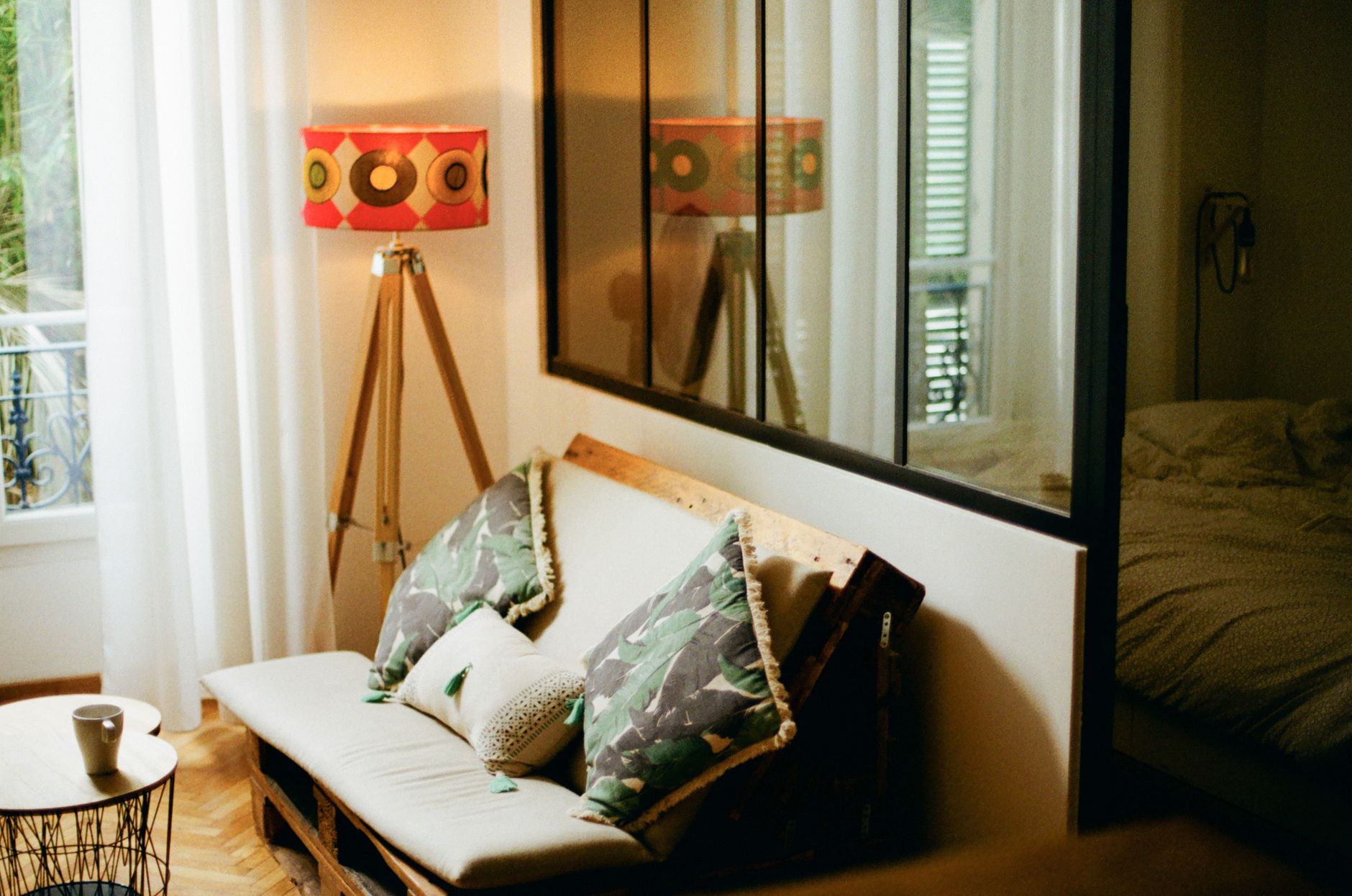
Without a ceiling fixture, the floor lamp becomes the main architectural light source. It should not stand randomly in the middle of a blank wall. Give it a job.
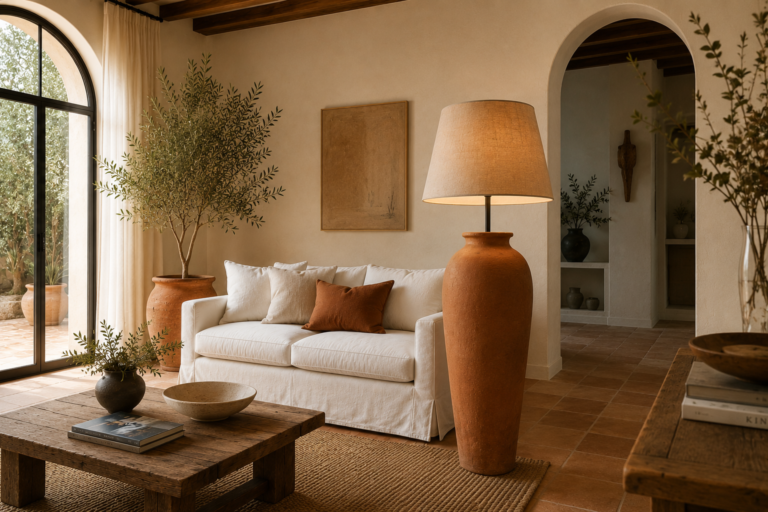
In a living room, place a floor lamp beside the sofa end that is farthest from the window. This balances the natural daylight pattern after sunset and keeps the room from collapsing into one bright side and one dark side. If the sofa is pushed against a wall, leave enough breathing room for the shade so it does not look squeezed. A few inches of space between lamp, wall, and upholstery makes the arrangement calmer.
In a reading corner, a lamp should light the page or lap without shining directly into the eyes. An arched floor lamp can help when there is no side table, but choose a simple shape rather than a dramatic, oversized arc. Mediterranean restraint matters here. The curve should feel useful, not sculptural for its own sake.
In a bedroom, a tall linen-shaded lamp can replace overhead light if there is one generous corner near a wardrobe or chair. Keep it away from bedding edges where it might be bumped. A floor lamp in a bedroom looks best when it relates to another vertical element, such as curtains, an armoire, or a tall mirror, rather than standing alone like an afterthought.
For dining corners without pendants, floor lamps require care. Do not place a tall lamp where guests will cast shadows over their plates. Instead, put one behind a banquette, near a sideboard, or just outside the dining zone so it washes the area gently. A nearby table lamp on a console can make the setting feel intentional without imitating a chandelier.
Use Table Lamps to Make Everyday Surfaces Feel Considered
Table lamps are where a Mediterranean room becomes personal. They bring light down to the level of books, bowls, ceramics, flowers, keys, and folded textiles. A table lamp can make a plain rented room feel settled faster than almost any other accessory.
On a console, choose a lamp that leaves room for a small tray or ceramic vessel. Crowded surfaces look less relaxed, especially in a simple plaster room. The shade should not be so wide that it blocks the wall behind it or overwhelms a narrow piece of furniture. If the console is shallow, a compact ceramic or terracotta base is usually easier to live with than a broad sculptural lamp.
On bedside tables, Mediterranean lighting should feel restful rather than decorative. A linen or ceramic lamp works well with washed cotton sheets, natural linen, pale wood, and limewash tones. If the bed is low and the room is modest, avoid very tall lamps that visually crowd the headboard. The shade should sit high enough to be useful for reading, but not so high that the bulb is visible when you are lying down.
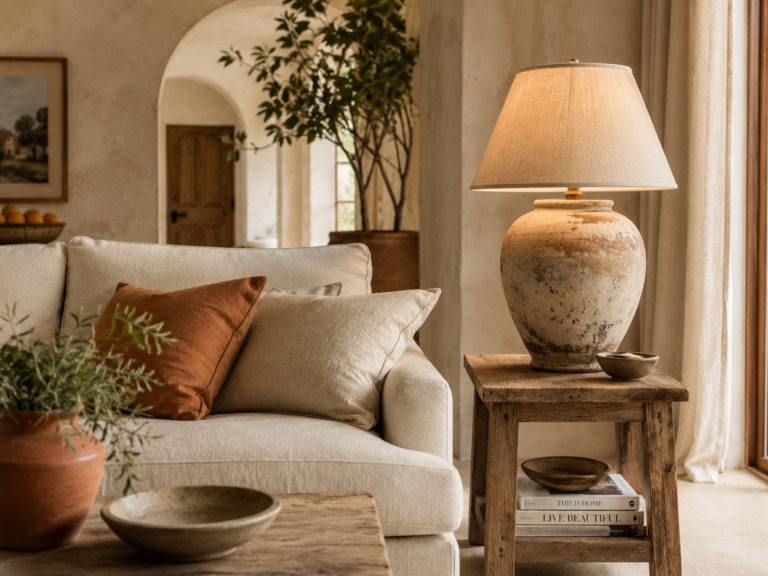
On a side table in a living room, a table lamp can carry the warmest material in the scheme. For example, if the room has a pale sofa, stone flooring, and linen curtains, a terracotta table lamp may be the single piece that prevents everything from feeling washed out. If the room already has clay tile, a rustic wood or ceramic base may be quieter.
Make Cords and Switches Part of the Plan
The less glamorous side of no-ceiling lighting is cord management. Mediterranean interiors depend on ease and authenticity, but visible cords crossing a floor can make even a beautiful lamp arrangement feel temporary.
Before placing a lamp, look for the nearest outlet and decide whether the cord can run along a baseboard or behind furniture. If it must cross open floor, reconsider the lamp location. In rooms with rugs, avoid hiding cords underneath heavy textiles. It may seem tidy at first, but it creates unevenness and makes cleaning more difficult.
If your walls are pale, choose cord covers or clips that disappear rather than contrast. In older rooms with stone or uneven plaster, do not over-perfect the cord path; a slightly practical solution is better than a fussy one. The aim is not to pretend the lamp is hardwired. The aim is to make the arrangement quiet enough that the eye returns to the room.
Switching also matters. A room with five beautiful lamps becomes irritating if each one must be switched on separately in awkward corners. Use accessible switches where possible and group lamps according to how you live. The pair used every evening should be easiest to reach. Accent lights can be secondary.
Bulb temperature and shade density will affect the entire mood, but avoid thinking only in technical terms. What matters is how the light feels on your actual surfaces. Warm bulbs behind linen shades usually flatter plaster, wood, and terracotta. Exposed bulbs, cool light, or very bright lamps can flatten the subtle imperfections that make Mediterranean rooms appealing.
Adjust the Mood by Room, Not by Theme
The same Mediterranean vocabulary can serve different rooms, but the lighting balance should change. A sitting room needs sociable light. A bedroom needs rest. A work corner needs clarity. If every room receives the same terracotta lamp and linen shade formula, the home starts to feel decorated rather than lived in.
For a sitting room
Use the tallest lamp near seating, then place a table lamp across the room to prevent a one-sided glow. If the walls are limewashed or textured, allow part of the light to graze them. This creates depth without adding more objects. Keep the palette grounded: linen shade, clay or ceramic base, aged wood table, and perhaps one small brass note.
For a bedroom
Favor symmetry only where it is genuinely useful. Two bedside lamps can be beautiful, but a small bedroom may feel more natural with one bedside lamp and one floor lamp near a chair or wardrobe. Softer, lower light helps linen bedding, plaster walls, and muted ochre or sand tones feel enveloping rather than dim.
For a dining corner
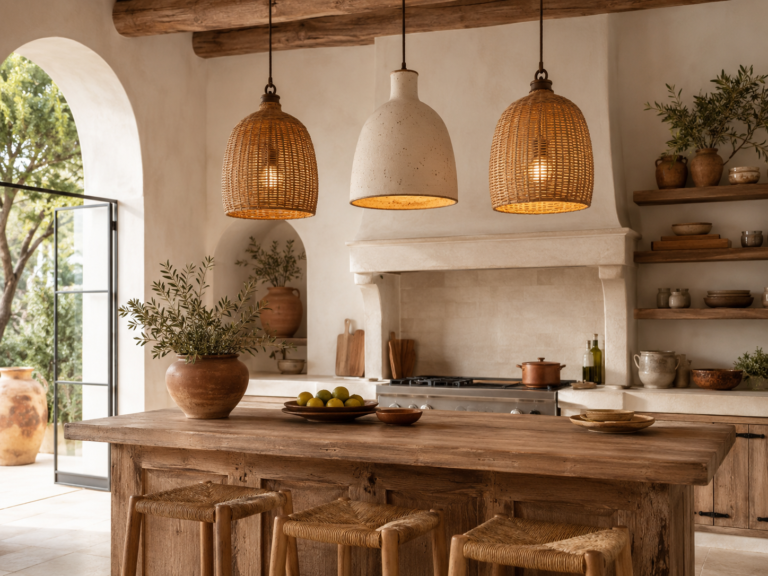
If you cannot hang a pendant, create atmosphere from the edges. A lamp on a sideboard, a tall lamp beyond the table, and a low glow near ceramics or glassware can make meals feel warm without a central fixture. Keep shades opaque enough that diners are not looking into bare bulbs.
For a home office nook
Use Mediterranean materials, but do not sacrifice function. A brass or ceramic table lamp can provide task light while a nearby floor lamp softens the rest of the corner. This prevents the desk from feeling like a separate work island in an otherwise calm room.
Shop the Look
For rooms without ceiling fixtures, look for lamps with warm materials, shaded bulbs, and enough presence to create atmosphere without overwhelming modest spaces.
- linen shade floor lamps
- arched floor lamps
- ceramic table lamps
- terracotta table lamps
- rustic wood table lamps
- brass table lamps
A Softer Evening Without Rewiring
A Mediterranean room does not need a perfect ceiling fixture to feel complete. In many cases, it is more atmospheric without one. The secret is to stop asking one light to do everything. Let a floor lamp lift the corner, let a table lamp warm the surface where life gathers, and let a small accent bring out the texture of plaster, wood, or clay.
When the materials are quiet and the placement is thoughtful, the room begins to glow from within rather than shine from above. That is the quality that makes southern interiors feel so enduring: not bright, not dim, but gently inhabited.
Affiliate disclosure: La Maison du Sud may earn a commission from qualifying purchases made through links in this article, at no extra cost to you.