Mediterranean Garden Ideas for a Narrow Side Yard That Feels Useful
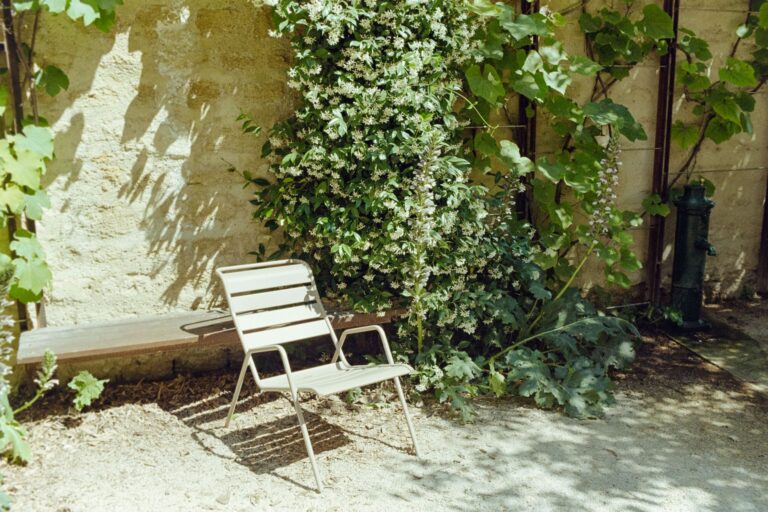
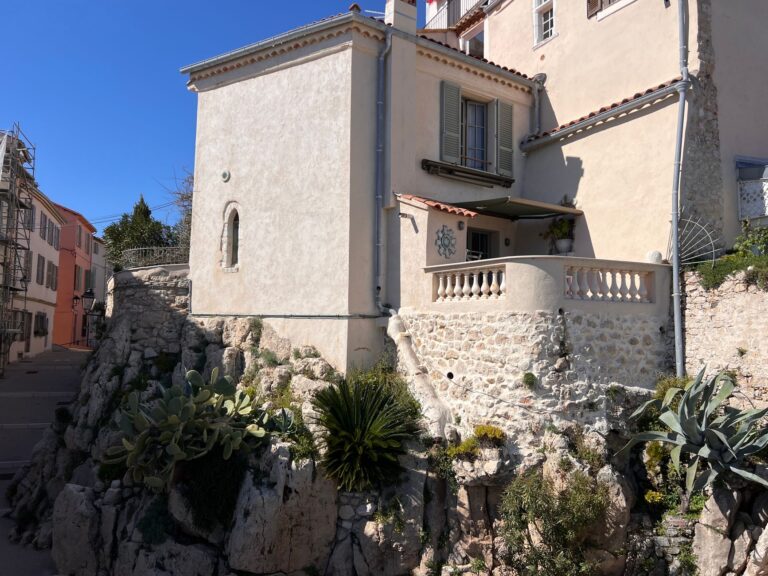
A narrow side yard often becomes the least loved part of a home: a strip for bins, hoses, spare pots, and the things no one wants to see from the main terrace. Yet in an old village house in Provence, that same kind of passage might be one of the most atmospheric places on the property. It is not grand. It is not symmetrical. It is a shaded run of pale stone, gravel underfoot, a few terracotta pots against limewashed walls, and perhaps a small bench positioned where the light falls in late afternoon.
The best Mediterranean garden ideas for a side yard are not about filling every inch. They are about making a difficult space feel intentional without pretending it is a full courtyard. If the passage is narrow, partially shaded, overlooked, or slightly awkward, the design should work with those limits: quiet ground materials, vertical planting, modest seating, warm lighting, and finishes that look better with dust, sun, and age.
When a Side Yard Is Too Narrow for a Patio but Too Visible to Ignore
The first decision is not what to buy. It is what the side yard needs to become. A narrow garden can rarely do everything at once. It may not have enough width for a dining table, lounge chairs, and generous planting beds. Expecting it to behave like a terrace usually leads to clutter: furniture scraping the walls, pots blocking the path, and lighting that feels too decorative for a practical passage.
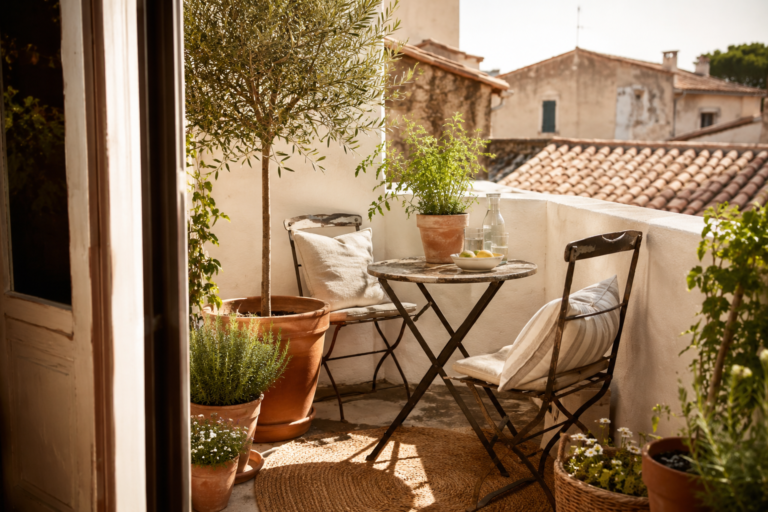
A more convincing Mediterranean approach is to treat the side yard as a garden walk with pauses. The walk should stay clear enough for everyday use, while small moments along the route make it feel cared for. A pot of rosemary near the kitchen door. A low bench beneath a window. A lantern placed where the path turns. A shallow bowl or small ceramic piece on a ledge. These details create rhythm without demanding too much space.
In a South of France setting, this restraint is part of the charm. The materials are humble: gravel, limestone, aged timber, terracotta, iron, linen-colored cushions, and planting that tolerates heat and irregular watering. The mood should be sun-warmed but not theatrical. Avoid trying to recreate a resort courtyard with oversized urns, glossy paving, or dramatic arches if the architecture is modest. A side yard looks best when it feels like it has slowly gathered useful, beautiful pieces over time.
Start with the Ground: Quiet Gravel, Set Stones, and a Centerline
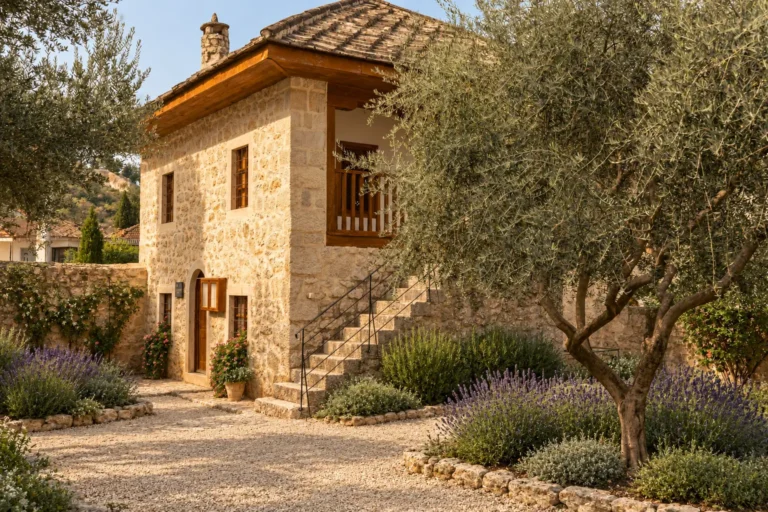
The ground plane carries most of the atmosphere in a narrow garden because you see it immediately and experience it with every step. For a Mediterranean side yard, gravel is often the most forgiving choice. It drains well when properly installed, softens hard edges, and has the dry, mineral quality associated with Provence gardens. Choose a warm, pale gravel rather than a bright white or cold gray. Buff, beige, honey, or limestone tones sit more naturally beside limewashed plaster, stone, and terracotta.
If the side yard is a main route to a gate, trash area, or back door, gravel alone may feel unstable underfoot. Set stepping stones through it in a simple line. The stones should not be too small or decorative. Large, flat pieces feel calmer and more practical, especially if someone is carrying groceries, a watering can, or a basket of laundry. Matte limestone, concrete pavers in a softened neutral, or reclaimed stone can all work, provided the surface is not slick when wet.
Resist the temptation to create a busy pattern. In a narrow side yard, the eye needs a clear direction. A straight path can be beautiful if the materials are tactile and the edges are softened with pots or planting. If the passage bends, let the stepping stones follow that movement gently rather than forcing a formal zigzag. The goal is not drama; it is ease.
Base preparation matters. For a longer-lasting gravel path, plan for weed suppression, compacted layers, and edging that keeps the gravel from spilling into planting pockets. The edging can be nearly invisible: metal strip edging, stone set flush to the surface, or a low timber guide. In a Mediterranean garden, the neatness should come from good bones rather than excessive polish.
Build the Garden in Layers, Not Borders
Traditional planting beds can consume too much width in a side yard. Instead of lining both walls with soil, think in layers: wall, pot, vertical foliage, path, and occasional low planting. This allows the space to feel garden-like while preserving movement.
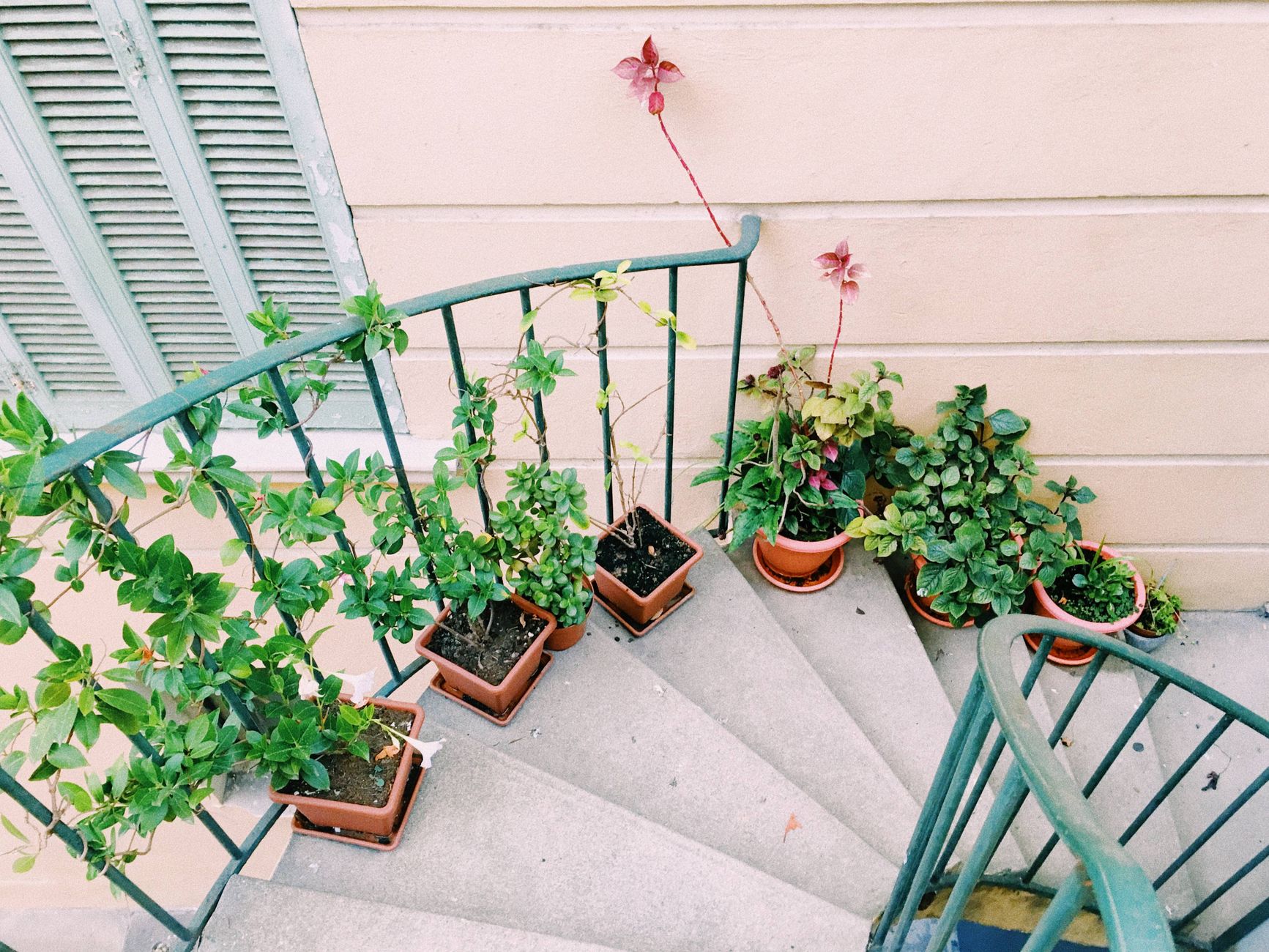
Terracotta pots are the easiest way to create this layered effect. Use fewer pots than you think you need, but choose them in varied heights and diameters. A cluster of three near a doorway often looks more natural than one small pot repeated every few feet. Keep the clay tones related: weathered orange, pale terracotta, rose-beige, and mineral brown. Very bright new terracotta can look harsh at first, but it mellows outdoors. If you want a more restrained palette, mix terracotta with aged stone, unglazed ceramic, or simple wooden planters.
The most convincing plant choices depend on your climate and exposure. In sun, Mediterranean herbs and drought-tolerant plants suit the mood: rosemary, lavender, thyme, santolina, bay, olive, fig, and upright grasses. In partial shade, shift toward plants that still carry a Mediterranean feeling through form and texture rather than full sun associations. Bay laurel, myrtle, climbing jasmine in the right climate, ferns in old stone corners, and potted citrus brought out seasonally can all contribute. If winters are cold, use pots strategically so tender plants can be moved or protected.
Vertical surfaces are valuable. A narrow wall can support a trained climber, a simple trellis, or a single espaliered plant. Keep the structure discreet: blackened iron, weathered wood, or galvanized wire. Avoid heavy decorative panels that reduce width and make the garden feel staged. In a modest Provençal passage, the planting should bring life to the wall without hiding the texture of plaster or stone.
Seating That Belongs in a Passage
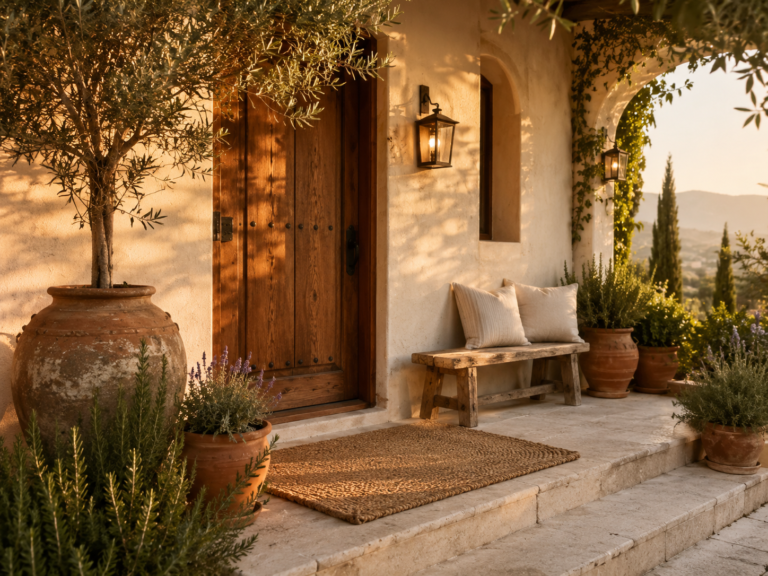
A side yard does not need a full outdoor living set to be useful. In fact, a bench is often better. It creates a place to remove muddy shoes, set down a basket, trim herbs, drink coffee, or pause in evening shade. The bench should be narrow enough to leave the path generous and plain enough to feel like part of the architecture.
Wood is a natural choice because it warms stone and gravel without adding visual heaviness. Look for simple shapes rather than ornate silhouettes. A backless bench can tuck against a wall and take up less depth, while a bench with a back is more comfortable if this will become a regular sitting place. If cushions are used, keep them neutral: sand, flax, faded olive, warm white, or soft ochre. Outdoor fabric should be removable or easy to store, especially if the side yard is exposed to rain or drifting dust.
Placement is more important than the bench itself. Set it where it does not interrupt the route. The best spot is often beside a wider point in the path, under a window, at the end of the passage, or where the garden opens slightly. If the side yard has a blank wall at the far end, a bench with pots beside it can create a destination, turning a service corridor into a small garden room.
Lighting for Evening Use Without Turning It Into a Stage
Outdoor lighting in a Mediterranean side yard should be soft, low, and practical. The aim is to make the ground readable and the plants visible without washing the walls in harsh brightness. Too much lighting can make a small garden feel exposed. Too little, and the passage remains unused after dusk.
Lanterns are particularly well suited to a narrow garden because they create pools of light. Place them near a bench, beside a pot cluster, or at a change in level. Black metal, aged brass tones, or simple glass lanterns tend to sit comfortably with terracotta and gravel. If candles are not practical, warm LED candles can offer a similar effect with less maintenance. Solar lanterns can be useful where wiring is difficult, though their placement should still look intentional during the day.
Wall lighting can work, but scale it carefully. One or two simple sconces are often enough. Choose warm bulbs rather than cool white light, and avoid fixtures that project too far into the passage. A narrow side yard already has limited shoulder room; lighting should not become something people brush against.
String lights are better used sparingly here. They can be charming in a courtyard or over a dining terrace, but in a tight side yard they may feel busy or festive in the wrong way. If you use them, keep the line simple and avoid crisscrossing the entire space. A single run under an eave or along a wall is usually calmer.
The Measurement Rule That Keeps It Comfortable
A narrow garden succeeds when it respects clearance. Before adding pots, a bench, or lighting, measure the passage at its tightest point. Then plan around the space people need to move naturally, not around the prettiest object you hope to fit.
- Keep a clear walking lane of about 32 to 36 inches where the side yard is used daily. If two people often pass through together, allow more when possible.
- Limit bench depth to roughly 14 to 18 inches in very narrow spaces, unless the yard widens at that point. A deeper seat may be comfortable but can make the path feel pinched.
- Use pot clusters instead of continuous rows so the path can breathe. Leave small gaps of bare wall or gravel between groupings to avoid a crowded corridor effect.
This rule is not about perfection. Old houses and garden walls are rarely straight. It simply gives the design a practical backbone. Once circulation is protected, the decorative layers feel generous rather than inconvenient.
Planting and Pots for Provence Character in Partial Shade
Many side yards receive uneven light: sun at one end, shade under an eave, reflected brightness from a wall, and darker corners near gates or service doors. Instead of fighting these changes, use them to create a more natural garden rhythm.
Place the sun lovers where they will actually thrive. Rosemary, lavender, thyme, and olive need strong light and good drainage. They belong in the brightest sections, ideally in terracotta or stone-like containers with drainage holes. Do not crowd their roots in tiny decorative pots. Mediterranean plants often look best when they have room to form a slightly irregular shape.
Use shade-tolerant texture in the dimmer areas. Myrtle, bay, certain ferns, ivy used carefully, and clipped evergreen forms can soften shaded walls without pretending to be lavender in full bloom. If you want seasonal color, add it modestly: a single pot of pelargoniums, a small citrus when weather allows, or a flowering climber where conditions suit it. A side yard can quickly become messy if every pot is chosen for flowers alone.
Terracotta needs maintenance, but that is part of its character. In hot climates, porous clay dries faster than glazed ceramic, so check soil more often during heat. Raise pots slightly on feet or discreet supports if the surface stays damp in winter. Clean mineral deposits only if they bother you; a little whitening and weathering often makes the garden feel more settled. If you live where freeze-thaw cycles are severe, choose frost-resistant containers or bring vulnerable pots under cover.
For a calmer composition, keep the plant palette limited. Three or four repeated plant types will usually look more refined than a collection of unrelated specimens. In a Provence-inspired side yard, repetition should feel relaxed: the same herb appearing in two different pot sizes, the same evergreen form near the entry and the far end, the same clay tone repeated without perfect matching.
Details That Make the Space Feel Lived-In, Not Decorated
The final layer should be useful, not ornamental for its own sake. A small hook for secateurs, a low shelf for a watering can, a woven basket for kindling or garden gloves, and a ceramic dish near the door can all feel more authentic than objects bought only to fill space. Mediterranean gardens are working gardens as much as decorative ones.
Texture matters more than quantity. A limewashed wall with uneven shadow, gravel that shifts slightly underfoot, clay pots with water marks, and a timber bench that silvers over time all create a sense of place. Try to avoid too many crisp new finishes at once. If the side yard already has plain stucco or concrete, introduce age through materials with matte surfaces: unglazed clay, rough stone, natural fiber cushions, and blackened metal.
Storage should be handled quietly. If bins or utilities must remain in the side yard, screen them with restraint. A simple timber screen, a tall potted bay, or a climbing plant can soften the view without turning the garden into a maze. Leave enough access for real use. A beautiful screen that makes the hose impossible to reach will not last long in daily life.
Sound and scent also belong in the design. Gravel has a gentle sound underfoot. Herbs release scent when brushed. Jasmine or citrus blossom can make a small space memorable without adding visual clutter. These sensory details are often what make a Mediterranean side yard feel like a garden rather than a decorated passage.
Shop the Look
For a narrow Mediterranean side yard, focus on pieces that support the structure of the space: mineral ground texture, terracotta planting, a simple place to sit, and low evening light.
- warm gravel for a Mediterranean garden path
- simple stepping stones for a narrow walkway
- terracotta pots for layered planting
- a modest wooden bench for a side yard
- solar lanterns for soft evening light
Let the Garden Stay Slightly Undone
A narrow Mediterranean garden should not look too resolved. Its beauty comes from proportion, texture, and use: a clear path, a few generous pots, a bench that earns its place, and lighting that makes the stone and foliage glow softly at dusk. If the space is small, restraint is not a compromise. It is what allows the materials to breathe.
Begin with the route, then add one good seating moment, then plant in clusters. Let the gravel settle. Let the terracotta weather. Let a climber take its time. The side yard may never become a grand terrace, and it does not need to. With the right materials and a modest plan, it can become something more valuable in daily life: a quiet, useful garden passage with the relaxed warmth of the South of France.
Affiliate disclosure: La Maison du Sud may earn a commission from qualifying purchases made through links in this article, at no extra cost to you.