Mediterranean Terrace Ideas for a Windy Upper-Floor Space
A high terrace can look wonderfully romantic in photographs and surprisingly difficult in daily life. The view is open, the light is strong, and the evening breeze that felt charming in spring can send napkins, cushions, and lightweight pots across the floor by July. Instead of treating the terrace like a small patio with prettier accessories, it helps to design it as its own kind of room: exposed, sun-baked, and a little elemental.
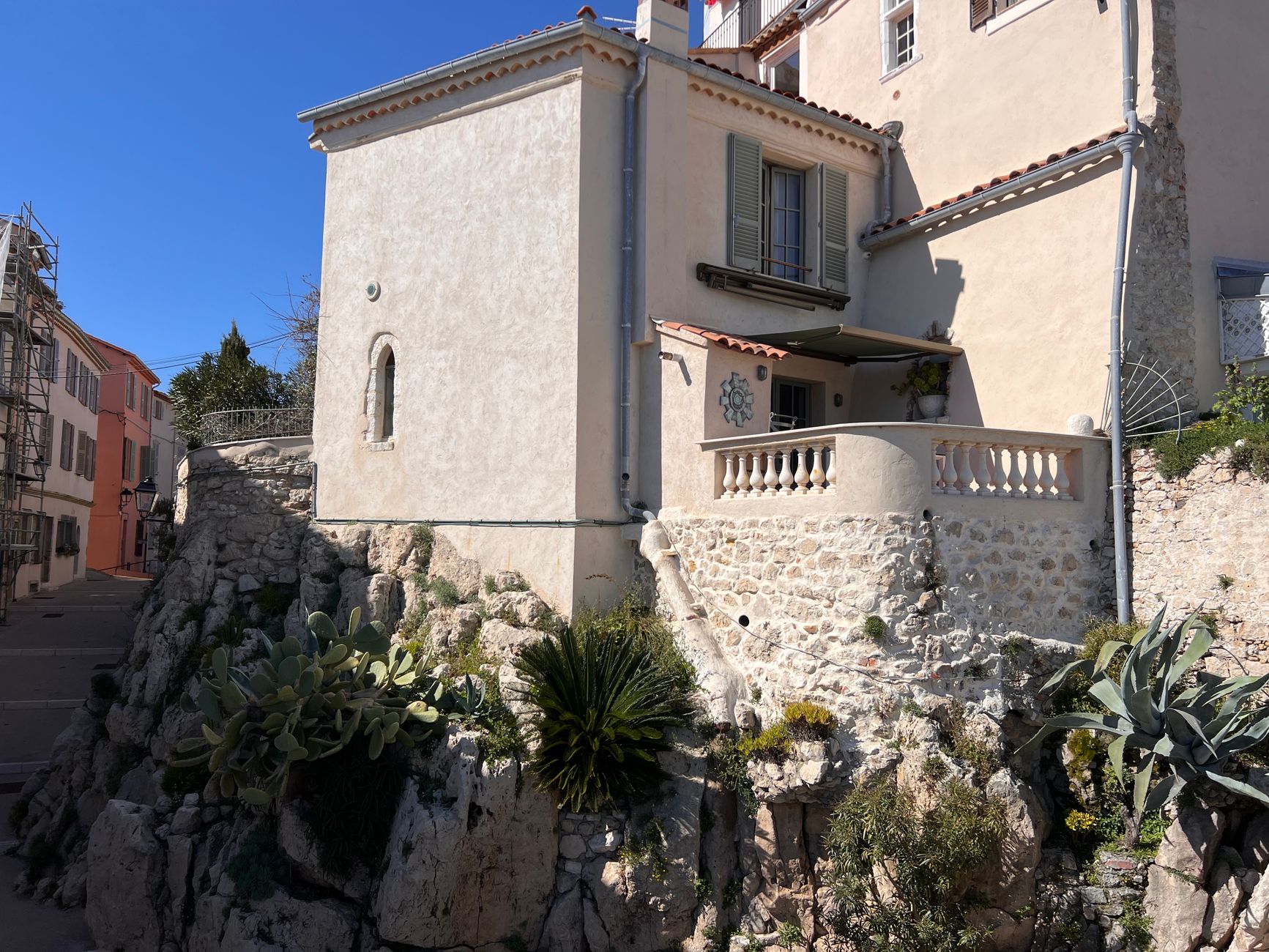
For a Mediterranean terrace with a believable South of France feeling, the goal is not to overdecorate. Think of a modest apartment terrace in Aix, a village-house roof terrace above a narrow lane, or the upper level of a small mas surrounded by pale stone. The materials should look settled in the sun: terracotta, limewashed walls, aged wood, matte metal, natural linen, olive leaves, and ceramics with slight irregularities. The design work is in choosing pieces that hold their place, age gracefully, and make the space feel sheltered without closing off the sky.
The terrace problem: wind exposes every weak decision
A windy upper-floor terrace is unforgiving. Furniture that looks airy can feel flimsy. Tall plants become sails. Soft cushions make the space inviting for ten minutes, then need to be rescued. String lights may rattle against railings, and lanterns that looked charming on a low garden wall can feel scattered and unsafe when the air shifts.
The answer is not to make everything massive. A terrace still needs ease, especially if it is small. The better approach is to create a low, grounded composition with fewer objects, more weight where it matters, and a palette that feels calm under bright light.
Picture the terrace in layers. The floor is the visual anchor, whether it is stone, tile, concrete, or decking. Furniture should sit low and simple, leaving the horizon open. Pots provide weight and rhythm. Lighting should come from protected points rather than dangling everywhere. Textiles should be useful, removable, and limited to tones that do not glare in afternoon sun.
Read the exposure before buying furniture
Before choosing a table or pots, spend a day noticing how the terrace behaves. Mediterranean style depends on comfort as much as appearance, and exposure changes everything.
A simple decision framework for an exposed terrace
- Wind first: Choose low-backed chairs, weighty planters, and lighting that can be secured. Avoid tall, narrow pieces unless they are placed against a wall or in a protected corner.
- Sun second: Use pale, matte materials that do not become visually harsh. Sand, chalk, weathered wood, muted olive, and soft ochre are easier to live with than bright white or saturated blue.
- Access third: Select pieces that can be carried through stairwells, balcony doors, or narrow French windows. A terrace often fails because the right-looking item is too awkward for the actual route from street to roof.
If the terrace is part of an apartment or rental, check what can be drilled, hung, weighted, or wired before planning the scheme. Wall lighting and shade structures may require permission, while loose furniture, potted planting, and battery or solar lighting can usually be handled more flexibly. Also consider total load if you are adding many heavy pots. Terracotta is beautiful and practical, but a terrace full of large damp containers can become heavier than expected.
A Provençal palette that stays quiet in strong light
Bright outdoor light changes color. What looks warm indoors may look yellow outside; what looks crisp in a showroom may feel chalky or glaring on a terrace. The most reliable Mediterranean terrace palette begins with the materials already present: stone, render, tile, metal railings, or aged timber.
If the walls are pale plaster, soften them with terracotta, warm wood, and olive green. If the floor is reddish tile, avoid adding too many more orange tones. Use natural linen, stone gray, blackened iron, and leafy green to calm it down. If the terrace floor is cool concrete, a few clay pots and a weathered wood bench can stop it feeling bare without pretending it is an old courtyard.
For a terrace inspired by Provence, keep the color range narrow:
- Base tones: limewash, chalk, sand, pale limestone, faded beige.
- Warm accents: terracotta, soft ochre, aged clay, sun-baked ceramic.
- Grounding notes: muted olive, weathered brown, blackened iron.
- Textile tones: natural linen, oat, warm gray, sesame, stone.
This restraint is especially useful on a terrace because every object is seen against open sky. A quiet palette lets the view remain part of the room.
Furniture that stays put without looking heavy
On a windy terrace, furniture should feel settled rather than bulky. Look for compact proportions, visible texture, and enough mass to resist shifting in ordinary breezes. A slim bistro table can work beautifully if it has a stable base. A long outdoor sofa may look inviting, but it can overwhelm a narrow terrace and create too many loose cushions to manage.
A practical arrangement for a small upper terrace is one of these three layouts:
- Wall-side bench and small table: Best for narrow terraces. The bench sits against the most protected wall, with a small round or square table that can be moved for serving.
- Two chairs with a low table: Best when the terrace is more about evening drinks or reading than dining. Keep the chairs low so the view remains open from indoors.
- Compact dining set: Best if the terrace is deep enough for chairs to push back without blocking the door. Leave a clear path from the entry to the far side so the space does not feel like storage.
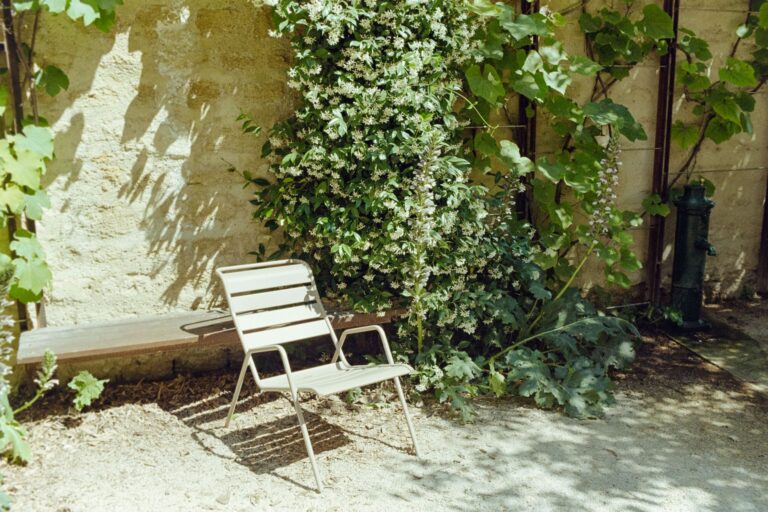
Materials matter. Aged wood has warmth and can be repaired or oiled, but it needs protection from prolonged wet conditions. Powder-coated or blackened metal is visually crisp and works well with plaster and terracotta, though it can feel hot in full sun. Woven seats bring softness, but choose outdoor-suitable construction if the terrace is exposed to rain. Keep silhouettes simple; too many curving or decorative shapes can quickly become theatrical in a small outdoor space.
For proportions, resist the urge to fill every edge. A terrace feels more French and less showroom-like when there is breathing room around furniture. One bench, two chairs, or one compact table is often stronger than a full matching set.
Planting in weighty pots, not a fragile container garden
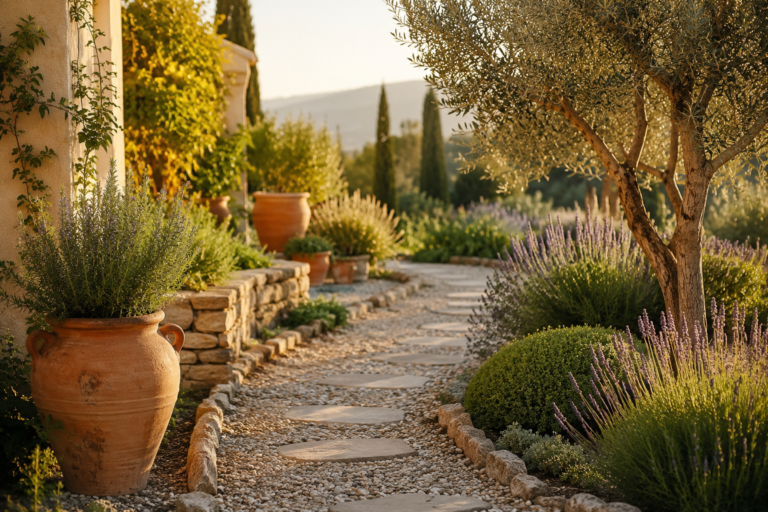
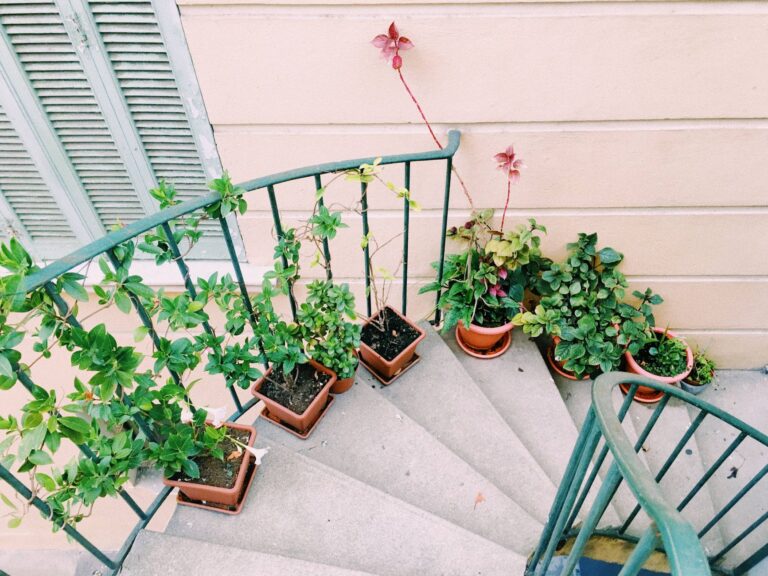
Plants are what make a terrace feel alive, but exposed terraces punish fussy planting. The most natural Mediterranean effect comes from fewer, larger containers rather than a crowd of small pots. Large terracotta vessels have visual weight, hold more soil, and look at home with stone, plaster, and aged wood. Their scale also helps prevent the terrace from feeling dotted with decorative objects.
Use pots to create shelter. Place the largest containers near corners, beside a low wall, or along the windward side if the structure allows it. Avoid lining the entire perimeter with identical pots; that can look stiff and may interrupt drainage or access. Instead, group in uneven clusters: one large pot with an olive, bay, rosemary, lavender, or a sculptural succulent, then one or two smaller clay vessels nearby.
Planting should suit the actual exposure. Full sun and wind dry soil quickly, while a shaded terrace may stay damp at the base of pots. Terracotta breathes and develops patina, but it can also dry faster than glazed ceramic. If watering is difficult, choose resilient Mediterranean herbs and shrubs rather than thirsty annuals. Good drainage is essential, and saucers should be managed carefully so they do not hold stagnant water against the floor.
There is beauty in restraint here. A single olive in a generous terracotta pot can do more for the atmosphere than ten decorative planters competing for attention.
Lighting that belongs outside after sunset
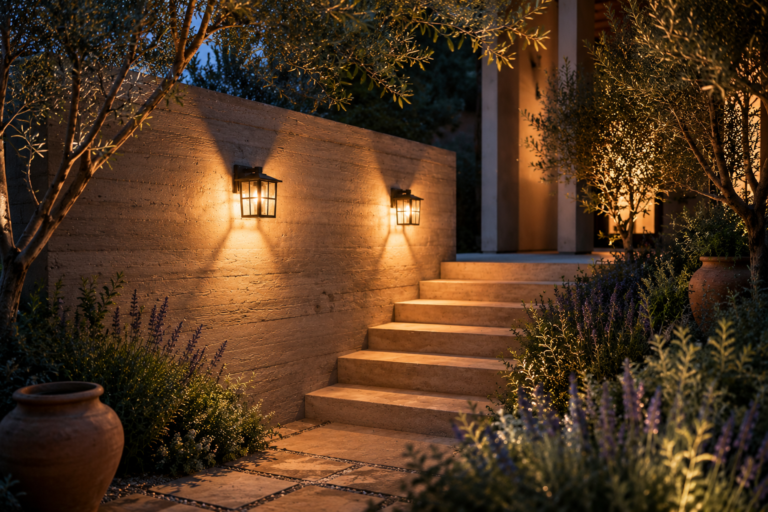
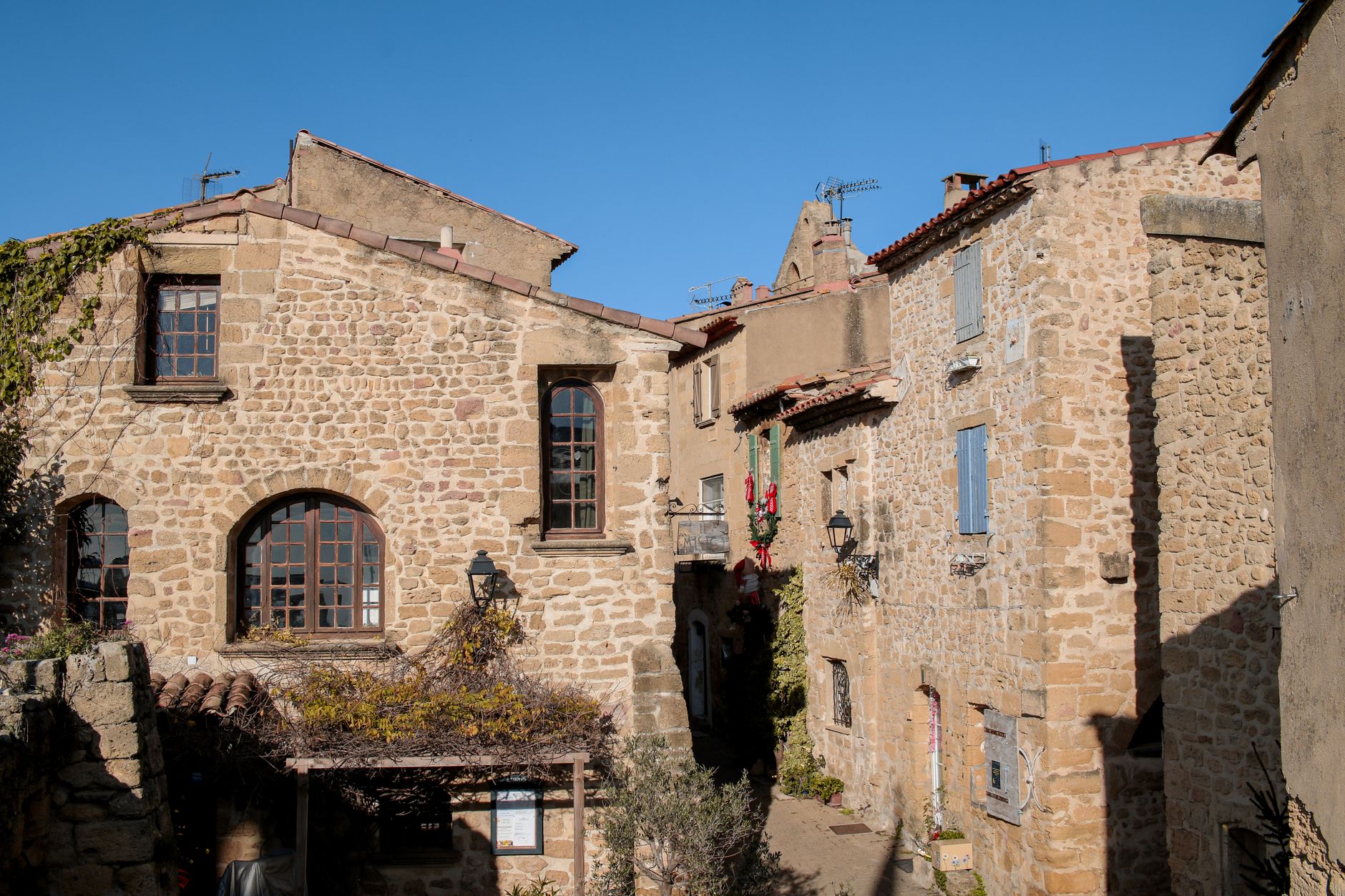
A terrace should not be lit like an indoor dining room. The nicest evening light is low, warm, and layered, with shadows left intact. In Provence, much of the charm comes from the contrast between pale walls at dusk, dark metal details, and a few small pools of amber light.
If the terrace has an exterior wall and wiring is possible, wall sconces are the most practical anchor. They keep the floor clear, do not blow around, and can make the terrace feel connected to the building rather than dressed after the fact. Choose simple shapes in blackened metal, aged brass, or ceramic finishes rather than ornate fixtures.
For flexible lighting, use lanterns placed low on a side table, bench end, or protected corner. Outdoor LED candles can create a gentle glow without open flame concerns, especially on a breezy terrace. String lights can work, but they should be taut, warm in tone, and used sparingly. If they sag, flicker harshly, or cross the space too many times, they can make a modest terrace feel busy.
The strongest lighting plan often has only three sources: one wall light near the door, one low lantern by the seating, and one small glow near the plants. That is enough to make the terrace usable without flattening the atmosphere.
Textiles and storage for a terrace you can maintain
Textiles bring comfort, but they are also where many terraces become high-maintenance. In a windy upper-floor space, cushions should be limited, practical, and easy to bring inside. Natural-looking outdoor fabrics in oat, flax, warm gray, or faded olive blend best with terracotta and pale plaster.
If you use seat cushions, keep them tailored rather than overstuffed. Large loose pillows can look appealing in photographs but often behave badly in wind. A long bench cushion, two chair cushions, and one folded throw may be enough. Choose fabrics that can be removed or stored quickly when weather changes.
Storage should be discreet. A small wooden chest, a lidded basket kept in a protected spot, or an indoor basket placed by the terrace door can hold cushion covers, napkins, and lantern accessories. Handmade baskets are especially useful for the threshold between inside and outside: not permanent in rain, but beautiful for carrying linens, herbs, or tableware out for a meal.
For maintenance, aim for a terrace that can be reset in five minutes. If every evening requires clipping, covering, tying, stacking, and sweeping around too many objects, the design is asking too much of daily life. Mediterranean ease is not carelessness; it is choosing materials that tolerate sun, dust, and use without constant correction.
Small details that make the terrace feel genuinely French
The difference between a believable Provençal terrace and a generic Mediterranean setting is usually in the editing. Avoid filling the space with themed objects. Instead, repeat a few honest materials and let age do part of the work.
A weathered table with a ceramic bowl is better than a full decorative centerpiece. A terracotta pot with rosemary is better than a bright arrangement that needs replacing weekly. A black iron lantern near a limewashed wall is better than many small accessories in different finishes.
Keep table settings simple. For everyday meals, use sturdy ceramic plates, natural linen napkins, and a small vase or herb cutting if you want something fresh. On a windy evening, a low bowl is more sensible than tall stems. If the terrace is visible from indoors, consider what you see through the door: one sculptural plant, a warm wall light, or the edge of an aged wood chair can be enough to extend the room visually.
Patina should be welcomed but not confused with neglect. Sweep dust from corners, wipe terracotta rings from the floor when needed, oil wood if appropriate for the piece, and store textiles before heavy weather. The terrace should feel lived in, not abandoned.
Shop the Look
For a windy Mediterranean terrace, choose pieces that add weight, warmth, and evening softness without cluttering the floor or fighting the exposure.
- oversized terracotta pots
- outdoor wall sconces
- handmade baskets
- soft outdoor lighting
- linen outdoor cushions
The terrace should feel sheltered, not sealed off
A windy upper-floor terrace will never behave like a walled courtyard, and that is part of its appeal. The design should not try to erase the exposure. It should make the exposure pleasant: a place where the sun feels softened by linen tones, the wind meets heavy terracotta rather than loose clutter, and the evening light gathers against plaster and foliage.
Start with the conditions, then edit. Use fewer pieces with better weight. Choose materials that belong to the region visually and practically. Keep the palette grounded in clay, stone, wood, and olive. When the terrace is arranged this way, it does not need to look newly styled. It feels as if it has always been there, waiting for the door to open at the end of the day.
Affiliate disclosure: La Maison du Sud may earn a commission from qualifying purchases made through links in this article, at no extra cost to you.