Mediterranean Courtyard Ideas for a Shared Apartment Courtyard
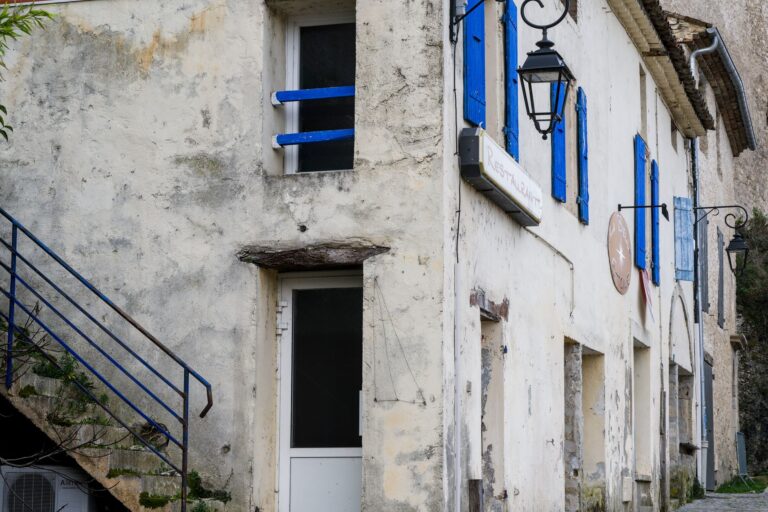
A shared courtyard has a particular kind of pressure. It belongs to everyone, but it rarely feels designed for anyone. There may be a stone wall with beautiful age, a tired concrete slab, a drain cover in the wrong place, a bicycle or two, and one corner that catches the late sun. The goal is not to turn it into a private patio or an overstyled outdoor room. The better ambition is quieter: make one portion feel welcoming, useful, and unmistakably Mediterranean without claiming more space than is fair.
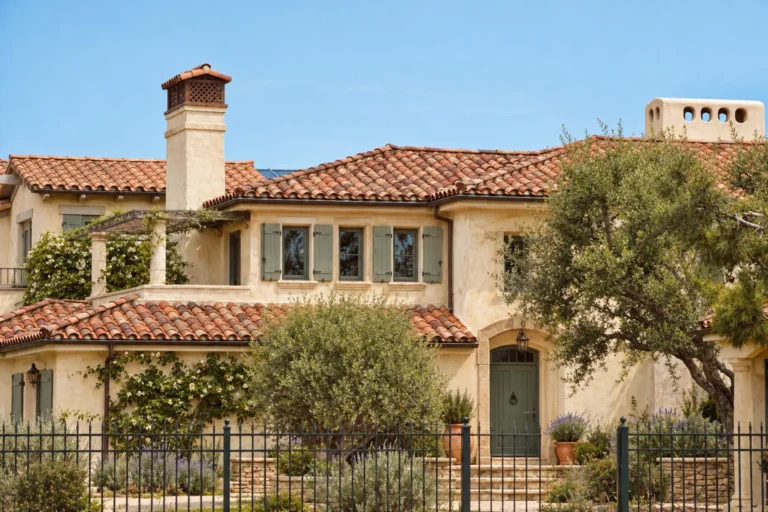
In a Provençal village house or older apartment building, the most convincing courtyards are often assembled rather than installed. A bench pulled against limewashed plaster, terracotta pots grouped where the sun is kind, lanterns that can be moved indoors at night, faded cushions in linen-like neutrals, and plants chosen for heat rather than drama. The design works because it is modest, portable, and civil to the architecture around it.
Start by reading the courtyard as a shared room
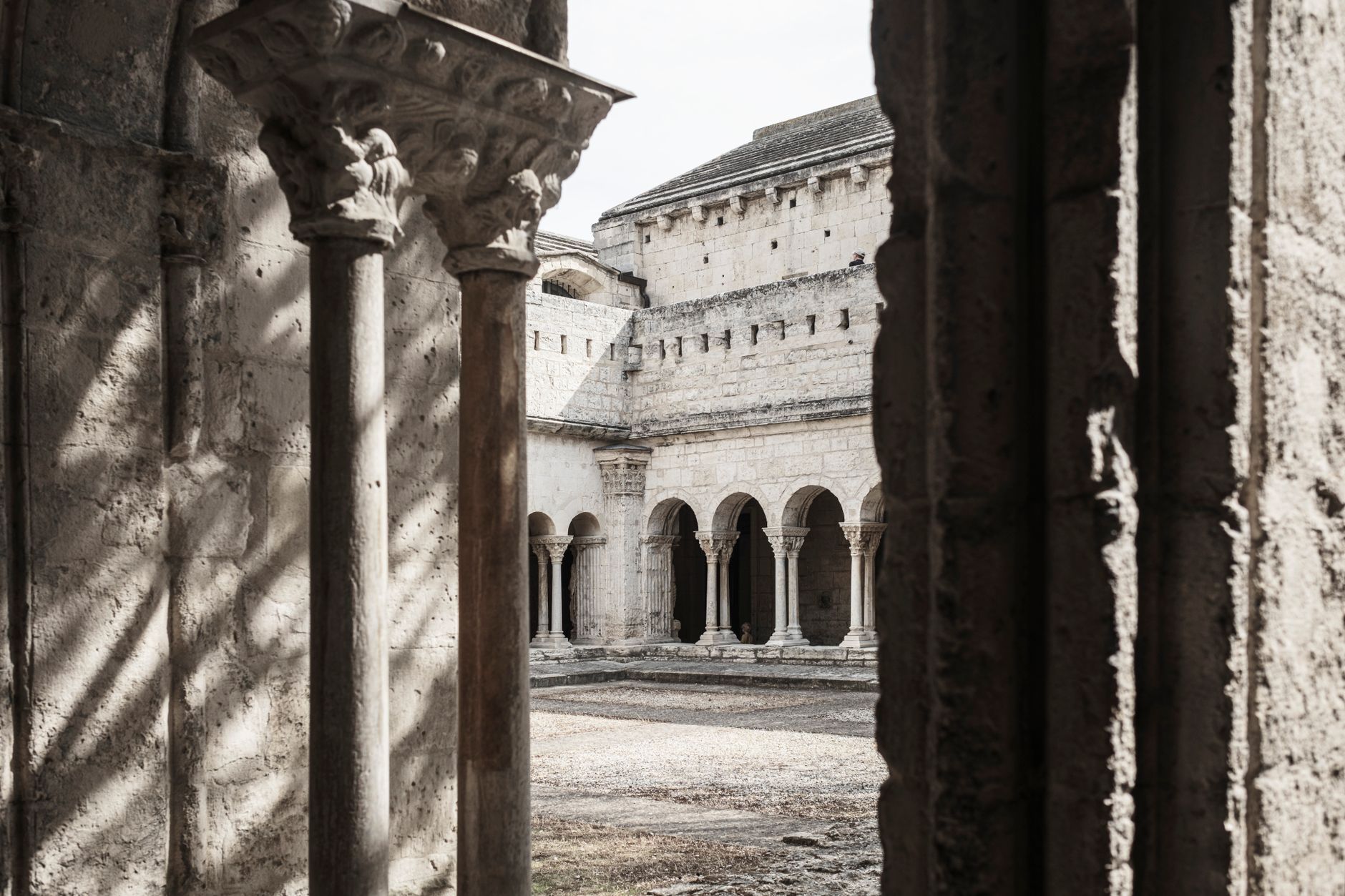
Before buying anything, spend a few days noticing how the courtyard is already used. A shared space has circulation patterns that matter more than decorative symmetry. People may cross from the entrance to the bins, unlock scooters, hang washing, water a communal planter, or carry groceries through a narrow gate. Mediterranean style here cannot mean blocking half the passage with oversized furniture.
Look for the least disruptive place to gather: usually a wall, corner, or edge rather than the center. A wall gives seating a visual anchor and keeps chairs from floating in the path. If the courtyard is small, a bench along one side is easier to live with than a table surrounded by loose chairs. If residents already pause in one sunny corner, strengthen that habit instead of inventing a new one.
Notice light as well. Southern French courtyards can be bright at midday but dim by evening, especially when surrounded by tall walls. Pale stone, limewash, and terracotta will catch light beautifully, while dark synthetic outdoor furniture can make the same space feel heavy. If the courtyard is overlooked by windows, choose low, quiet pieces that do not feel like a stage set for the apartments above.
Choose portable pieces before permanent improvements
Shared courtyards reward restraint. Unless you have clear permission from the building owner or neighbors, avoid drilling into stone, fixing trellis panels, painting walls, adding built-in planters, or installing wired lighting. Even when changes are allowed, permanent decisions can create tension if they alter access, views, drainage, or maintenance duties.
Portable does not have to mean flimsy. A Mediterranean courtyard can be built from weighty, tactile objects that simply do not require installation. Think of a wood bench that can be shifted for cleaning, terracotta pots that age naturally, lanterns that sit on steps, and cushions that go indoors during rain. These pieces create atmosphere while respecting the shared nature of the space.
The same rule applies to color. In a common courtyard, a restrained palette is more neighbor-friendly than a strong theme. Use sand, chalk, muted olive, warm beige, soft ochre, faded clay, and blackened iron. These tones sit easily beside old plaster, limestone, and aged timber doors. They also make mixed architecture feel calmer, especially if the courtyard has pipes, mailboxes, or practical details you cannot remove.
A decision framework for every courtyard addition
Use this simple test before adding anything to the space. It keeps the design thoughtful, but it also helps avoid the small conflicts that shared outdoor areas can create.
- Can it be moved by one person? If a piece needs two people or tools to shift, it may be too permanent for a shared courtyard unless everyone has agreed to it.
- Does it respect the walking line? Leave the clearest route from door to gate completely unobstructed. Mediterranean charm should never make daily errands more awkward.
- Will it still look good when imperfect? Choose materials that tolerate dust, sun, mineral marks, and casual use: terracotta, aged wood, linen-like outdoor fabrics, galvanized or blackened metal, and simple ceramics.
This framework is especially useful when you are tempted by decorative extras. If a large urn makes the path tight, choose two smaller pots. If a hanging lantern requires drilling above a neighbor’s window, use a tabletop lantern instead. If a rug will trap leaves and hold dampness against old stone, let the paving remain visible and soften the seating with cushions.
Build the seating around edges, not the center
The most common mistake in a shared courtyard is placing a table in the middle because that is what patios usually do. In a small or communal setting, the center often needs to remain open. Edges give you the same usefulness with less friction.
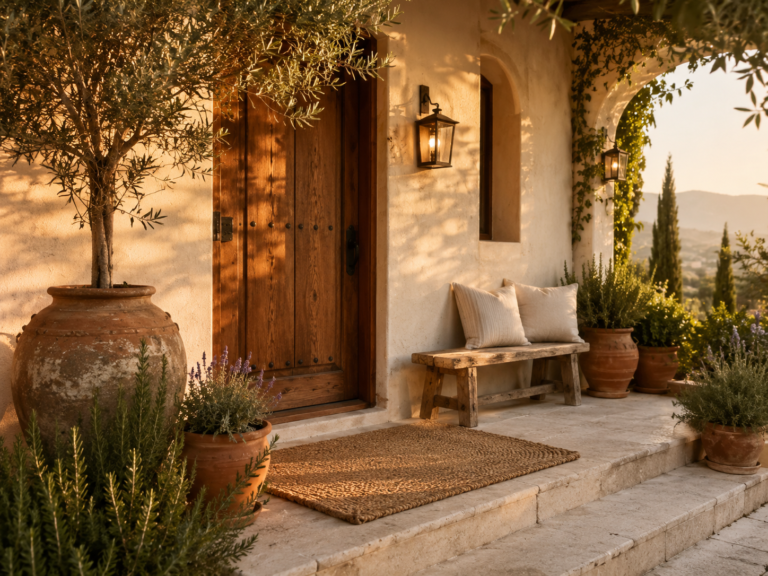
A wooden bench is one of the most adaptable choices. Against a stone or plaster wall, it feels natural rather than decorative. Aim for a size that seats two comfortably, not a long park bench that dominates the courtyard. If the wall is rough, leave a small gap so the bench does not scrape against it. If the ground is uneven, use discreet furniture pads rather than forcing the bench to wobble across old paving.
For comfort, use cushions that look sun-faded rather than crisp and hotel-like. Beige, flax, putty, and muted olive are easier to maintain visually than bright white. If the courtyard is exposed to rain, bring soft pieces indoors or store them in a simple basket just inside the nearest door. In Provence, the loveliest outdoor seating often looks ready to be gathered away at the end of the evening.
When a table makes sense
A small bistro table can work if the courtyard has a natural recess or if residents already use the space for coffee. Keep the diameter modest and allow chairs to tuck in fully. A round table is easier to navigate than a square one in a tight passage. If the courtyard is mainly a circulation space, skip the table and use a narrow stool or tray placed on the bench only when needed.
Use terracotta pots to create boundaries without walls
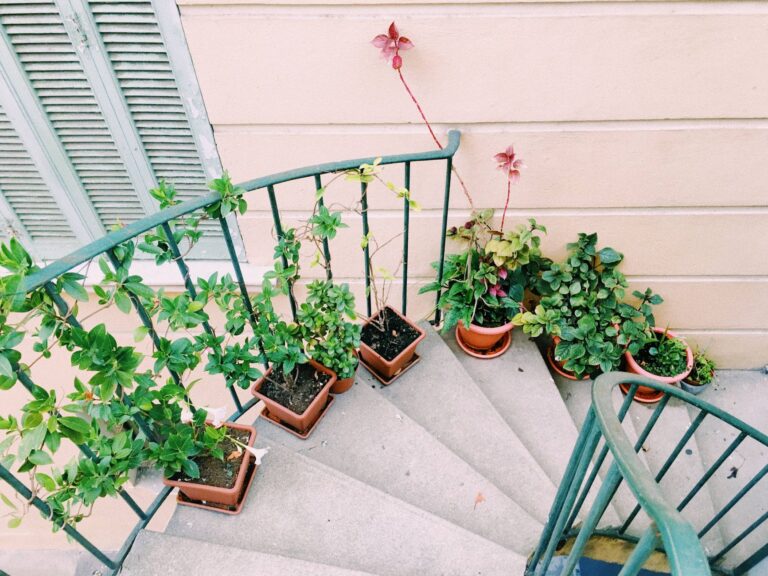
Plants are the most graceful way to define your corner of a shared courtyard, but the arrangement should feel porous. A hard line of identical planters can seem territorial. A looser grouping of terracotta pots feels softer and more Provençal, especially if the pots vary slightly in height and tone.
Place the largest pot at the back of the group, closest to the wall, then step smaller pots forward. This keeps the walking edge clean while creating depth. If the ground slopes toward a drain, avoid blocking water flow with heavy containers. Use pot feet or small risers where needed so water can pass underneath and terracotta can dry properly.
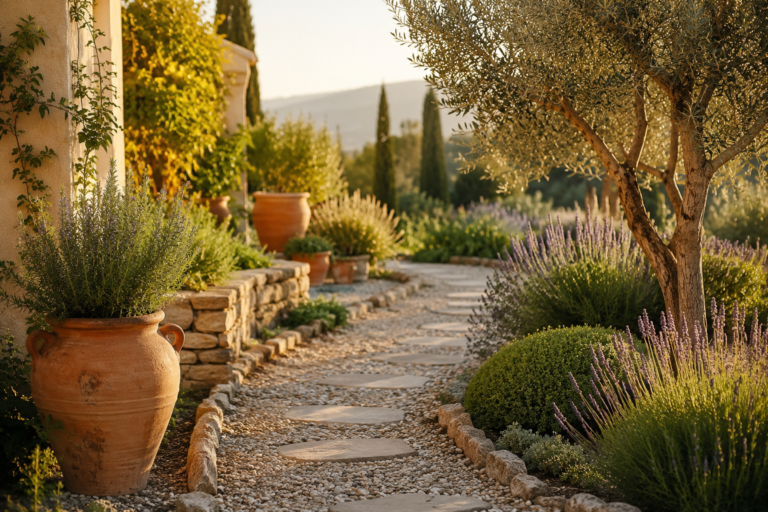
For planting, think in terms of texture and heat tolerance. Olive, rosemary, lavender, bay, thyme, santolina, pelargonium, and small citrus in mild climates all suit a Mediterranean mood, but local conditions matter. A shaded courtyard may be better with myrtle, ivy in a controlled pot, ferns in a cooler corner, or hardy herbs that tolerate less sun. The visual language should come from the containers and arrangement as much as the plant list.
Terracotta will weather. It may develop mineral bloom, darken after rain, or chip at the rim. In this setting, that is part of its usefulness. Avoid glossy planters that look too new beside old masonry. If you need lighter containers for upper-level access or frequent moving, choose matte clay-colored pots rather than plastic with a shine.
Let lighting stay low, warm, and temporary
Courtyard lighting should flatter the stone and make people feel comfortable without shining into neighbors’ windows. In a shared building, low lantern light is usually better than overhead brightness. It defines a small zone, keeps the mood intimate, and can be removed when the courtyard is not in use.
Use lanterns on the ground only where they cannot be kicked or become a trip hazard. Steps, ledges, and the top of a sturdy bench are often safer. Black metal, aged brass tones, seeded glass, and simple rustic finishes sit well with Provençal materials. Avoid anything colorful, blinking, or overly decorative; the courtyard should feel inhabited, not event-dressed.
Solar lanterns are practical when outlets are unavailable, but placement matters. They need enough daylight to charge and should not be hidden under dense foliage. If the courtyard gets limited sun, consider lanterns with removable lights that can be charged elsewhere, or use battery candles for occasional evenings. Keep the light warm rather than cool. A cold white glow can make limestone and limewash look gray, while a warm flame-like tone brings out ochre, clay, and aged wood.
Work with imperfect paving, not against it
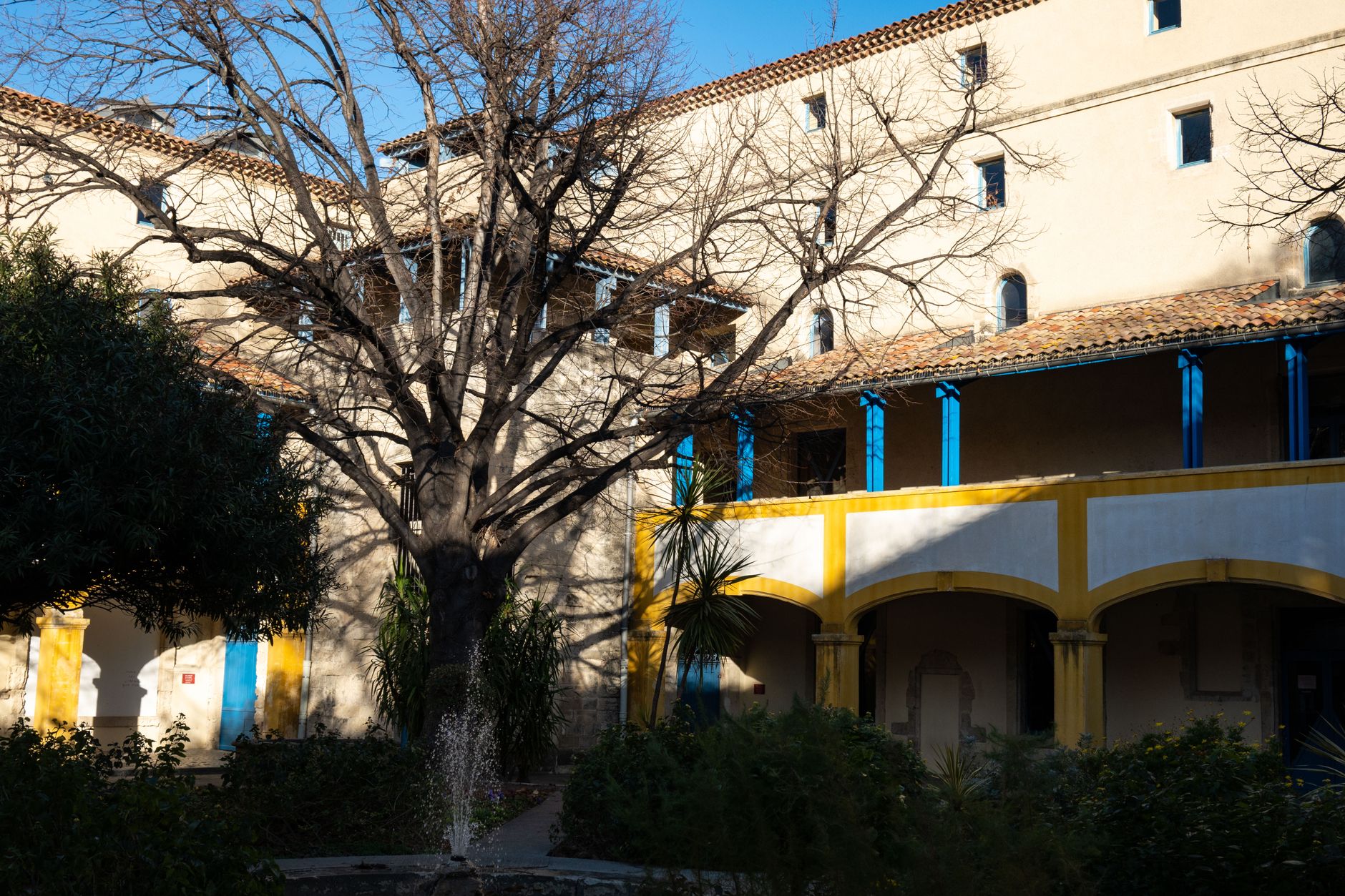
Many shared courtyards have paving that is neither beautiful nor terrible: patched concrete, mixed stone, old terracotta, gravel near a drain, or a surface repaired in several eras. Instead of hiding everything, decide what should remain visible. Mediterranean courtyards rely on honest materials and shadow; a little irregularity is not a problem.
If the paving is genuine stone or aged terracotta, keep rugs to a minimum. They can trap dampness, collect leaves, and hide the very texture that makes the courtyard feel authentic. If the surface is plain concrete and you need softness underfoot, use a small outdoor mat only in the seating zone, not wall to wall. Choose a flat weave in a quiet natural tone and be willing to lift it often for cleaning.
Gravel can be beautiful but complicated in shared spaces. It migrates into hallways, catches in bicycle tires, and may be difficult for strollers or rolling bins. If gravel already exists, contain it with pots or a narrow edging rather than spreading more. If you are starting from a hard surface, add texture through terracotta, baskets, wood, and planting instead of trying to remake the floor.
Keep storage invisible or bring it inside
Outdoor storage is where shared courtyards often lose their charm. A plastic deck box, open bag of soil, watering cans scattered across the paving, and folded chairs leaning against a wall can quickly make the space feel neglected. The more public the courtyard, the more disciplined storage should be.
If you garden in pots, keep only what is attractive enough to be seen: a simple metal watering can, a small hand broom, perhaps a clay saucer stacked under a bench. Soil, tools, plant food, and extra cushions should live indoors or in a designated utility area. If a storage bench is necessary, choose one with a matte wood or woven appearance and keep it proportional to the courtyard. Oversized storage reads as an attempt to take ownership of the space.
The same principle applies to seasonal decor. Mediterranean restraint is not plainness; it is editing. A few pots of herbs, one bench, and two lanterns can feel more convincing than a courtyard crowded with pillows, signs, patterned rugs, and unrelated planters. Leave enough emptiness for the architecture to breathe.
Make it feel communal without making it anonymous
A shared courtyard can still have personality. The trick is to use details that invite rather than announce. A ceramic bowl for clipped herbs during a summer meal, a small vase on the bench for olive branches, or a stack of linen-toned cushions brought out in the evening can make the space feel cared for without being permanently decorated.
If neighbors use the courtyard too, consider pieces that are easy for others to enjoy correctly. A bench is self-explanatory. Lanterns with simple switches are better than complicated lighting. Hardy plants are more forgiving than thirsty annuals. If you add cushions, choose covers that can be removed and washed, and do not leave so many outside that they become everyone’s responsibility during a sudden rain.
Sound matters as much as style. Avoid wind chimes in close quarters, fountains that require maintenance agreements, and furniture that scrapes loudly across stone. Add small felt or rubber pads under movable pieces if the surface allows. A peaceful courtyard is both visual and practical.
Shop the Look
For a shared courtyard, choose pieces that add warmth and usefulness without requiring permanent installation. These selections suit a portable, Provençal-inspired arrangement of pots, seating, and gentle evening light.
- terracotta pots for courtyard planting
- simple outdoor wooden bench
- bench cushions in soft outdoor neutrals
- rustic lanterns for low courtyard light
- solar lanterns for a courtyard without outlets
Let the courtyard look shared, cared for, and unforced
The most believable Mediterranean courtyard is not the one with the most objects. It is the one where each object seems to belong to the daily rhythm of the building: a bench for a morning coffee, pots that catch the sun, lanterns brought out at dusk, cushions faded enough to feel relaxed. In a shared apartment courtyard, good design is partly about beauty and partly about manners.
Keep the walking line open, choose materials that improve with age, and let the walls, paving, and shadows remain part of the composition. With terracotta, wood, restrained textiles, and warm temporary light, even a modest communal corner can begin to feel like a small courtyard in the South of France: practical, imperfect, and quietly generous.
Affiliate disclosure: La Maison du Sud may earn a commission from qualifying purchases made through links in this article, at no extra cost to you.