Layered Mediterranean Rug Ideas for Neutral Living Rooms With Jute and Vintage Kilim Patterns
Layered Mediterranean Rug Ideas for Neutral Living Rooms With Jute and Vintage Kilim Patterns
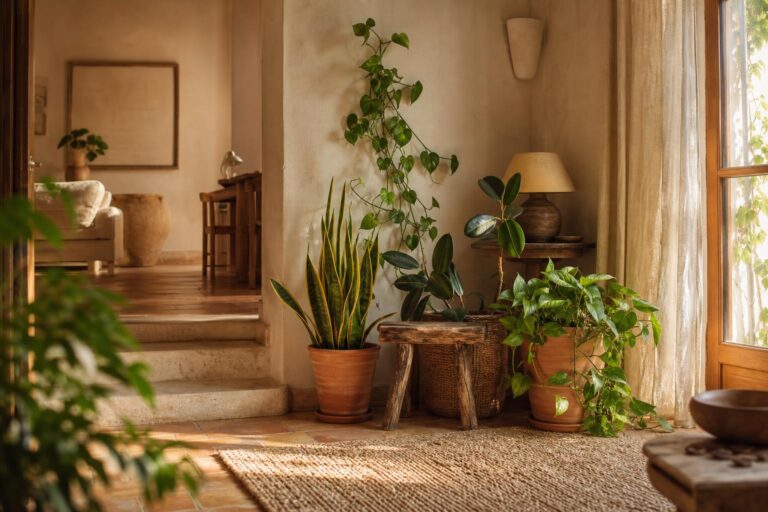
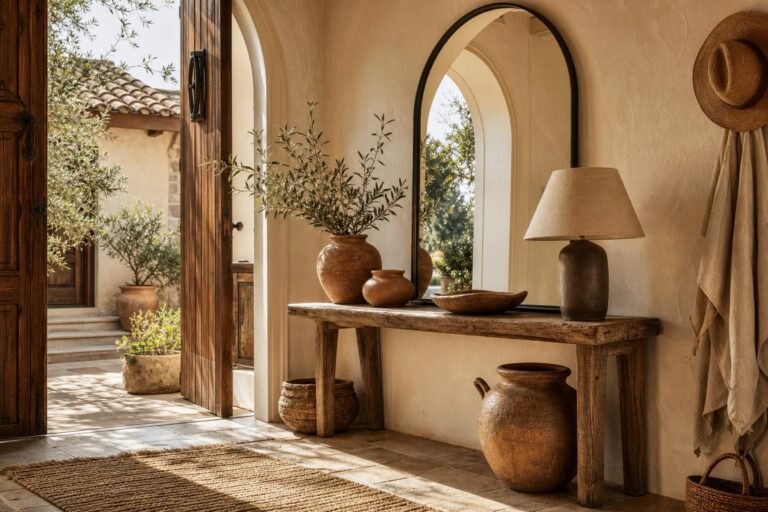
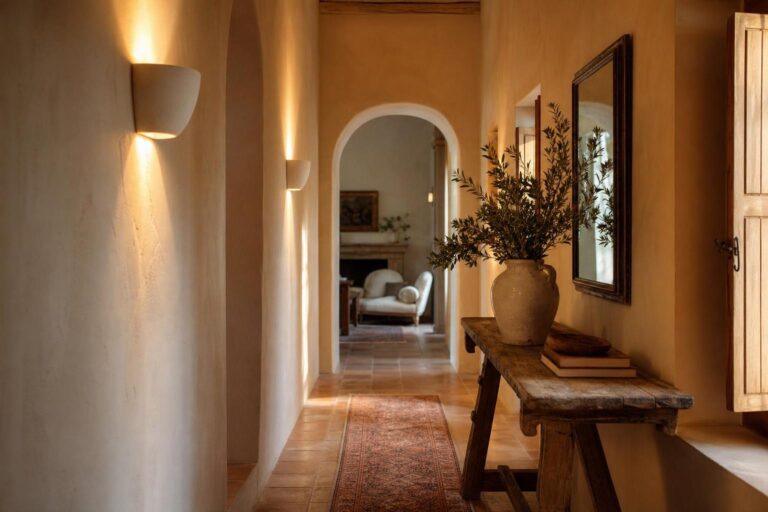
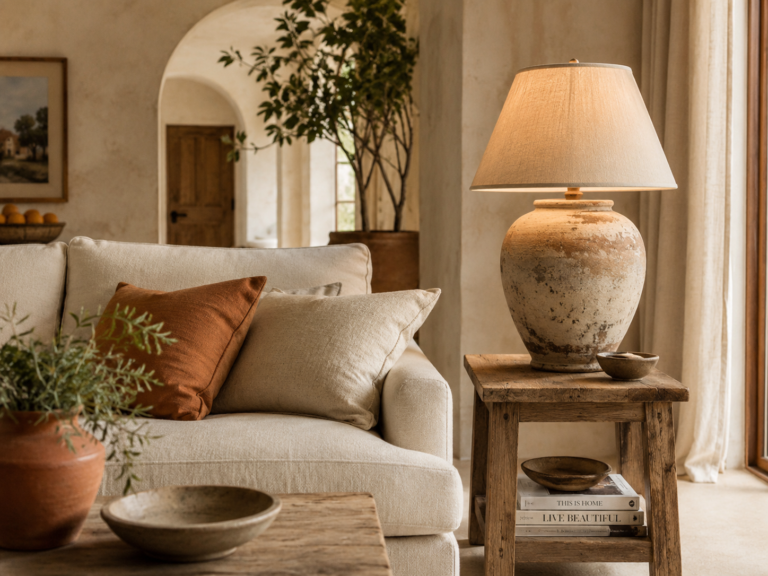
A Mediterranean living room does not need strong color or heavy ornament to feel soulful. In many of the most beautiful homes along the Mediterranean coast, the warmth comes from texture first: woven fibers, imperfect plaster, aged wood, sun-faded textiles, and rugs that look as though they have been gathered slowly over time. For a neutral living room, layered rugs are one of the easiest ways to create that relaxed, collected atmosphere without making the space feel busy.
The pairing of a natural jute rug with a vintage-inspired kilim is especially powerful. Jute brings the sandy, organic foundation that suits limewashed walls, linen upholstery, and rustic wood. A kilim adds quiet pattern, geometry, and handwoven character. Together, they give a neutral room depth while keeping the palette earthy and timeless.
This guide focuses on a specific design approach: layered Mediterranean rugs for neutral living rooms using jute, wool, kilim motifs, warm natural tones, and practical layouts. Whether your room is spacious, narrow, open-plan, or rental-friendly, these ideas will help you choose rugs that feel elegant, lived-in, and unmistakably Mediterranean.
Why Layered Rugs Work So Well in Mediterranean Interiors
Mediterranean interiors are built on the idea of contrast: cool plaster against warm terracotta, smooth stone beside rough wood, pale walls softened by woven texture. Rugs support this balance because they introduce comfort without covering the architectural character of the room.
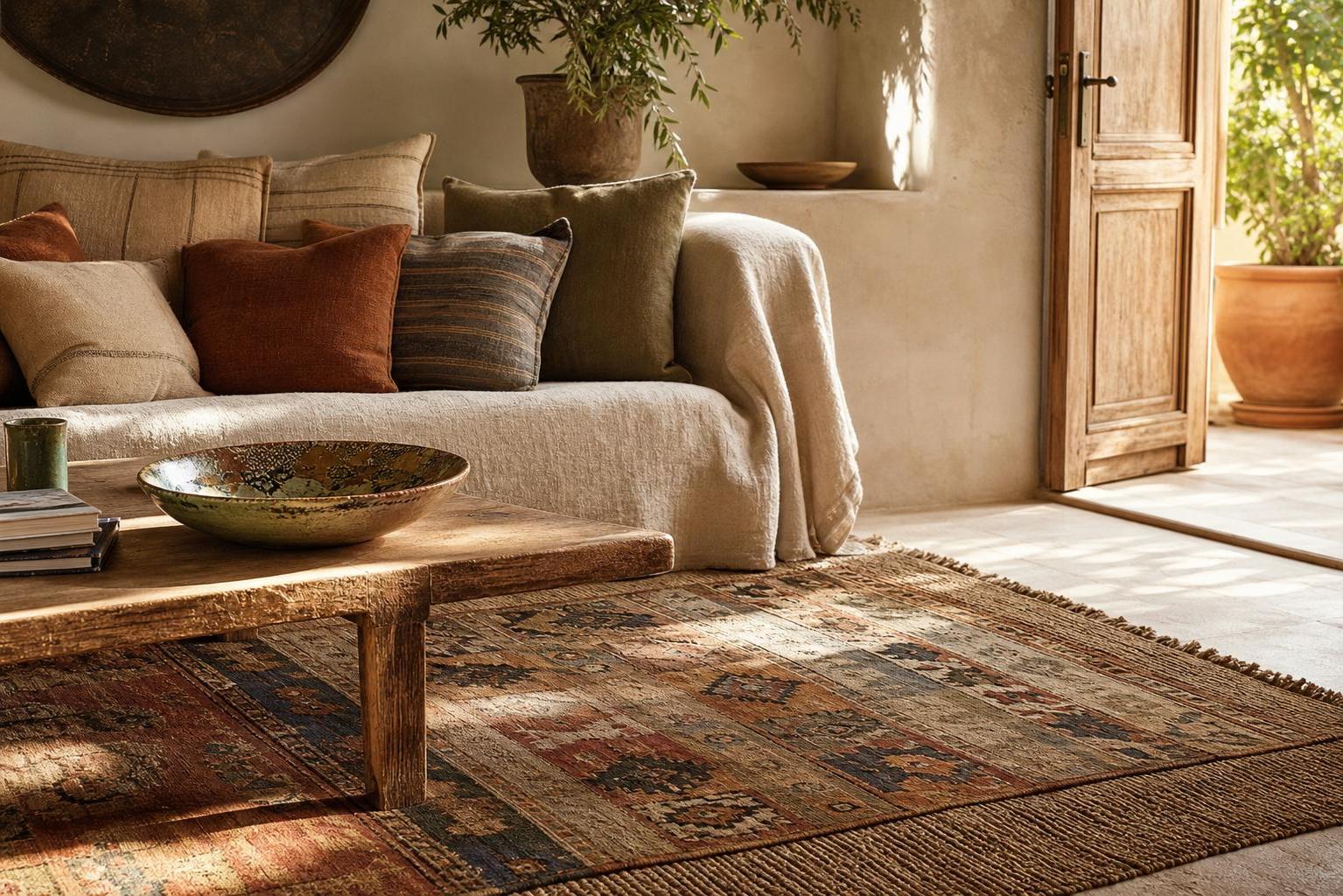
In a neutral living room, a single flat rug can sometimes look too plain, especially if the furniture is also beige, cream, or white. Layering adds visual interest while preserving the calm mood. A large jute rug can define the seating area, while a smaller kilim placed on top creates a focal point beneath the coffee table or in front of the sofa.
This method is also practical. Jute rugs are often more affordable in large sizes, making them useful for anchoring a room. Vintage wool rugs, kilims, and patterned runners can be more expensive, but layering allows you to use a smaller statement piece where it matters most.
Start With a Natural Jute Base Rug
The base rug is the quiet foundation of the room. In a Mediterranean living room, jute works beautifully because it echoes the color of sandy stone, dried grasses, woven baskets, and natural rope. It feels casual but not careless, rustic but still refined.
Choose a jute rug large enough to sit under at least the front legs of your sofa and armchairs. This helps the room feel intentional rather than fragmented. If your furniture floats in the center of the room, aim for a rug that holds the entire seating arrangement, leaving a border of flooring visible around the edges.
For a softer look, consider a jute and cotton blend. Pure jute has a beautiful texture, but it can feel rough under bare feet. Blended rugs offer a more comfortable surface while keeping the organic woven appearance.
Best jute tones for a Mediterranean palette
- Natural sand: Ideal for bright rooms with white walls, linen sofas, and pale oak or stone flooring.
- Warm wheat: Beautiful with terracotta accents, aged brass, walnut furniture, and creamy plaster.
- Soft taupe: A refined option for neutral living rooms with greige upholstery and darker wood beams.
- Bleached jute: Best for coastal Mediterranean rooms with airy curtains, blue accents, and lots of natural light.
Add a Vintage Kilim for Pattern and Soul
Once the jute base is in place, the top rug becomes the personality layer. A kilim is a natural choice for Mediterranean decor because its flatwoven construction, geometric pattern, and artisanal feel connect beautifully with Greek, Spanish, Moroccan, Provençal, and Southern Italian influences.
For a neutral living room, avoid overly bright or high-contrast patterns unless you want the rug to dominate the room. Look for faded, sun-washed shades: muted terracotta, clay, ochre, olive, indigo, tobacco, camel, ivory, and charcoal. These tones add dimension while still feeling grounded.
A vintage kilim does not need to match every piece in the room. In fact, Mediterranean interiors often feel more authentic when textiles look collected rather than coordinated. The key is to repeat at least one color from the rug elsewhere in the space, such as in a ceramic vase, cushion, throw blanket, framed textile, or lamp base.
Choose the Right Rug Layering Layout
The way you position layered rugs can change the entire mood of the living room. A centered arrangement feels balanced and traditional, while an offset rug looks more relaxed and artistic. Both can work beautifully in a Mediterranean home.
Centered under the coffee table
This is the most classic layout. Place the jute rug as the large base, then center a smaller kilim beneath the coffee table. The kilim should extend beyond the table on all sides, but it does not need to reach the sofa legs. This works well when you want the top rug to become the visual heart of the seating area.
Offset at an angle
For a more casual, collected look, angle the kilim slightly over the jute rug. This creates the feeling of an old villa where textiles have been layered over time. Keep the angle subtle so the room still feels composed.
Runner layered in front of the sofa
A narrow kilim runner can be layered over a jute rug directly in front of a long sofa. This works especially well in apartments or narrow living rooms because it adds pattern without overwhelming the floor. It also visually lengthens the room.
Small accent rug near a reading chair
If you have a reading corner within the living room, use the jute rug to connect the overall seating area and add a smaller patterned rug near the armchair. This creates a cozy destination without adding walls or dividers.
Color Combinations That Feel Mediterranean but Neutral
Neutral does not mean colorless. Mediterranean neutrals are warm, mineral, and sun-aged. Think of limestone, unglazed clay, olive bark, faded linen, weathered shutters, and dry grasses. When choosing layered rugs, look for combinations that feel natural rather than overly polished.
Sand, ivory, and terracotta
This is one of the easiest palettes for a warm Mediterranean living room. Begin with a natural jute rug, then layer a kilim with faded rust or clay details. Add ivory linen cushions, a terracotta vessel, and a rustic wood table to complete the look.
Taupe, olive, and charcoal
This palette feels quieter and more sophisticated. It works well with darker wood furniture, black iron accents, and plaster walls. A taupe jute rug paired with an olive and charcoal kilim creates depth without feeling heavy.
Wheat, indigo, and cream
For a subtle coastal Mediterranean influence, choose a wheat-toned jute rug and a faded kilim with touches of indigo. Keep the rest of the room creamy and relaxed, with sheer curtains and ceramic accents.
Camel, tobacco, and soft white
This palette is ideal for rooms with leather chairs, walnut tables, or exposed beams. A camel jute base and a muted tobacco-patterned rug feel warm, masculine, and timeless.
How to Match Rugs With Mediterranean Furniture
A layered rug scheme should support the furniture rather than compete with it. Mediterranean living rooms usually favor low, grounded shapes, natural materials, and pieces that feel handmade or aged. Your rug choices should echo those qualities.
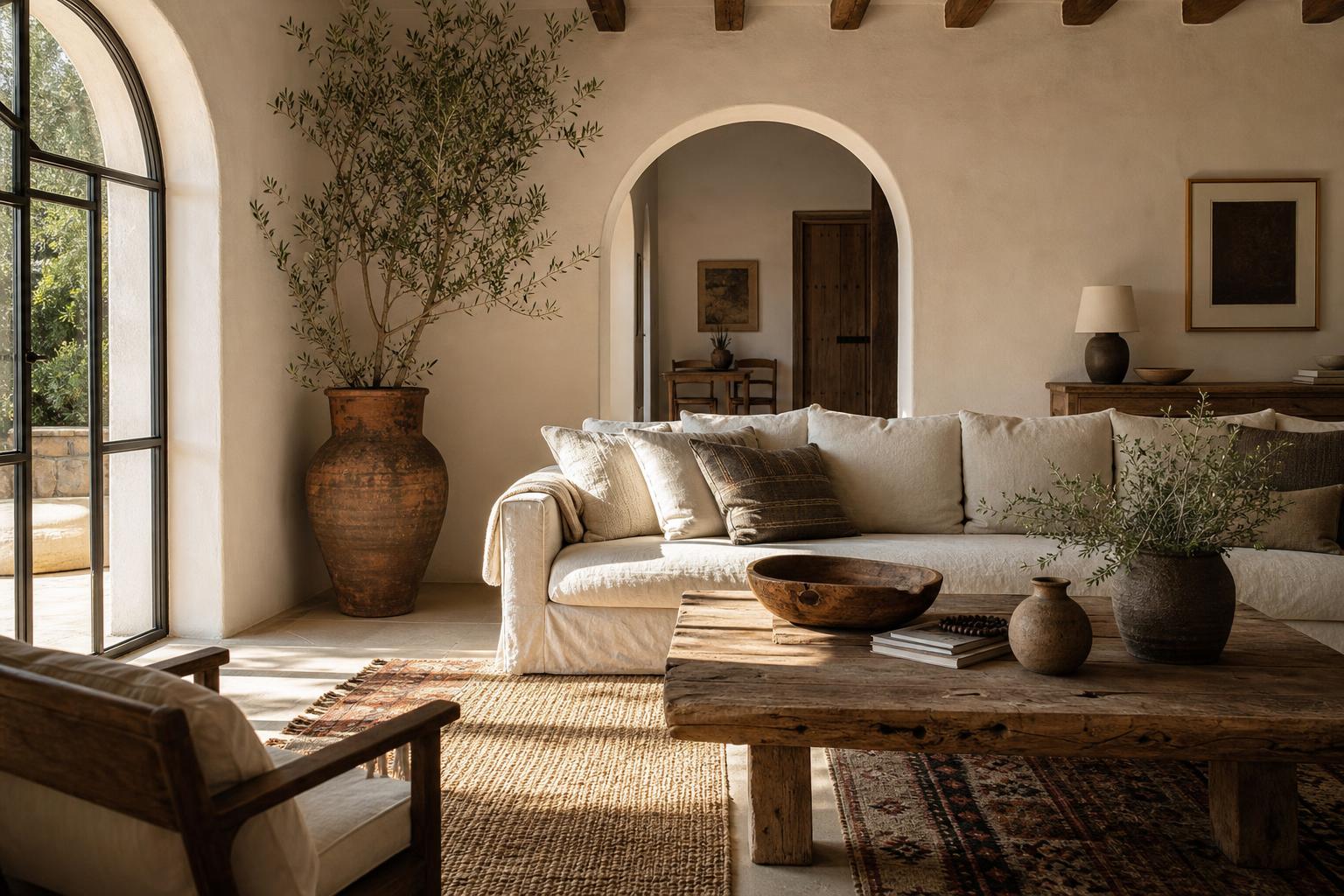
If your sofa is white or cream linen, you have room to bring more pattern into the kilim. If your sofa is already textured, striped, or colorful, keep the top rug more subdued. With a rustic wood coffee table, faded rug colors often look more authentic than crisp, graphic patterns.
Curved furniture also pairs beautifully with geometric kilims. The contrast between rounded silhouettes and angular motifs creates a balanced room. For example, a curved slipcovered sofa with a diamond-patterned kilim can feel both soft and structured.
Layered Rugs for Small Neutral Living Rooms
Small living rooms benefit from layered rugs when the scale is handled carefully. The most common mistake is choosing a base rug that is too small. Even in a compact room, the jute rug should visually connect the main seating pieces. A small rug floating in the center can make the space feel smaller.
Choose a low-profile jute base to avoid bulk, then layer a thin flatweave kilim on top. Avoid thick rug pads between both layers, as they can create uneven edges. A slim non-slip pad under the base rug is usually enough, with rug tape or a thin gripper under the top rug if needed.
In small rooms, let the kilim introduce pattern but keep the surrounding decor simple. Use one or two ceramic pieces, a woven tray, and linen pillows rather than filling every surface. The rug layering will already bring plenty of texture.
Layered Rugs for Open-Plan Living Spaces
In an open-plan home, rugs are essential for defining zones. A large jute rug can establish the living area without visually closing it off. Layering a kilim on top helps distinguish the seating zone from a nearby dining area, kitchen, or entryway.
If your open-plan space includes other rugs, they do not need to match exactly. Instead, keep them in the same tonal family. For example, a jute and terracotta kilim combination in the living room can pair with a simple natural fiber runner in the entry or a muted wool rug under the dining table.
Repetition helps the space feel cohesive. Repeat jute, rattan, wood, linen, or clay tones throughout the open room so the layered rugs look intentional rather than isolated.
Texture Matters More Than Perfect Pattern
The Mediterranean look is never too perfect. Slight fading, irregular weaving, and worn edges often make a rug more beautiful. If you are drawn to vintage pieces, embrace small imperfections as part of the charm.
Texture is especially important in neutral rooms. A flat beige rug on a beige floor may disappear, but a woven jute rug with a raised wool kilim adds shadow, movement, and tactile appeal. Even if the colors are subtle, the room will feel richer.
Consider mixing these textures in the same living room:
- Chunky jute or sisal underfoot
- Flatwoven wool kilim on top
- Linen slipcovers or cushion covers
- Unglazed ceramic bowls and vases
- Rustic wood coffee tables or stools
- Woven baskets for blankets or magazines
Practical Tips for Keeping Layered Rugs in Place
Layered rugs should feel relaxed, but they still need to be safe and functional. If the top rug slides or curls, the room will quickly feel messy. Use a non-slip rug pad beneath the jute base, especially on tile, stone, or hardwood floors.
For the top kilim, use rug tape or a thin rug gripper at the corners. Avoid thick pads between layers because they can create visible bumps. If the top rug has curled corners, gently reverse-roll it for a day or weigh the corners down with books before styling.
Furniture placement can also help. A coffee table, pouf, or ottoman placed partly over the kilim will keep it anchored. In high-traffic homes, choose a flatweave top rug that is easy to vacuum and less likely to become a tripping hazard.
Best Mediterranean Rug Materials to Consider
Material choice affects comfort, durability, style, and maintenance. For an authentic Mediterranean look, focus on natural fibers whenever possible.
Jute
Jute is earthy, affordable, and ideal as a base layer. It works best in lower-moisture rooms and moderate-traffic areas. It adds instant texture but may not be the softest option for families who spend a lot of time on the floor.
Sisal
Sisal is more structured and durable than jute, with a slightly cleaner appearance. It suits refined Mediterranean rooms where you want texture without a rustic feel. However, it can be rough underfoot.
Wool
Wool is excellent for kilims and vintage-style rugs. It is durable, naturally warm, and often ages beautifully. A wool kilim layered over jute brings both softness and pattern.
Cotton flatweave
Cotton rugs are lightweight, flexible, and often budget-friendly. They can work well as a top layer, especially in casual apartments or rental homes. Choose muted prints rather than overly sharp modern patterns.
How to Style the Rest of the Room Around Layered Rugs
Once your rugs are chosen, let them guide the rest of the decor. A Mediterranean living room feels most cohesive when the same natural language appears throughout the space.
If your kilim includes rust tones, add a terracotta lamp, clay vase, or warm-toned artwork. If it includes olive, use olive branches, green glass, or muted green cushions. If it has indigo details, repeat the blue sparingly through a striped pillow or ceramic bowl.
Keep large furniture pieces calm and textural. Linen, cotton, bouclé, aged leather, and wood are all excellent partners for layered rugs. Avoid shiny finishes and overly sleek furniture, which can clash with the handmade quality of Mediterranean textiles.
- Use low wood tables to make the rug layering more visible.
- Add woven baskets to echo the natural fiber base rug.
- Choose soft lighting from ceramic, plaster, or aged brass lamps.
- Display handmade ceramics for a collected Mediterranean feel.
- Keep walls warm white so the textures remain the focus.
Common Rug Layering Mistakes to Avoid
The first mistake is layering two rugs that are too similar. If both rugs are beige and flat, the effect may look accidental rather than designed. Create contrast through texture, scale, or pattern. A coarse jute base and a patterned wool kilim are a reliable combination.
The second mistake is choosing a top rug that is too small. A tiny rug under a large coffee table can feel disconnected. The top rug should be large enough to make a statement, even if it does not cover the full seating area.
The third mistake is using too many competing patterns. If your curtains, pillows, artwork, and rug all have strong motifs, the room can lose its calm Mediterranean character. Let the kilim be the main pattern and keep other textiles quieter.
The final mistake is ignoring maintenance. Natural fiber rugs can be sensitive to moisture and stains. If you have pets, children, or frequent guests, choose darker jute tones and low-pile wool top rugs that can handle daily life.
Budget-Friendly Ways to Get the Look
You do not need a rare antique rug to create a layered Mediterranean living room. Start with a simple large jute rug, then look for a smaller vintage-style kilim, Turkish runner, Moroccan flatweave, or washable printed rug in muted tones.
Secondhand marketplaces, estate sales, and vintage shops can be excellent sources for unique rugs. Look beyond perfect condition. A little fading or wear often makes the rug feel more authentic. Just check for strong odors, severe damage, or unstable edges before buying.
If your budget is limited, prioritize size for the base rug and character for the top rug. The jute foundation should properly fit the room, while the kilim can be smaller but more expressive.
Seasonal Styling With Layered Mediterranean Rugs
Layered rugs can stay in place year-round, but the surrounding decor can shift with the seasons. In spring and summer, keep the room airy with white linen pillows, olive branches, and pale ceramics. Let the jute texture feel light and coastal.
In autumn and winter, emphasize the warmth of the kilim. Add wool throws, deeper terracotta accents, amber glass, and soft lamp light. The same rug combination can feel sun-washed in July and cozy in January simply by changing the textiles around it.
This versatility makes layered rugs a smart investment. They are not tied to one season, trend, or color scheme. Instead, they become the grounding layer for a Mediterranean room that evolves naturally.
Product Ideas for a Layered Mediterranean Rug Look
To recreate this look at home, focus on natural fibers, muted patterns, and decorative pieces that support the warm, textural mood of the rugs.
Shop the Mediterranean Look
Use these pieces to create a layered neutral living room with natural texture, warm pattern, and relaxed Mediterranean character.
- Large natural jute area rug for a textured base layer
- Vintage-style kilim rug with muted Mediterranean pattern
- Flatweave wool rug for soft layered texture
- Non-slip rug pad to keep layered rugs in place
- Terracotta ceramic vase for warm Mediterranean styling
- Neutral linen throw pillow covers to soften the seating area
Conclusion: Build Warmth From the Floor Up
Layered Mediterranean rugs are more than a decorative detail. They shape the entire mood of a neutral living room, adding warmth, pattern, comfort, and a sense of history. A jute base rug gives the space its organic foundation, while a vintage kilim or flatwoven wool rug brings character and movement.
The most successful combinations feel relaxed rather than overly styled. Choose natural materials, sun-faded colors, and patterns that look collected over time. Repeat the rug colors subtly through ceramics, cushions, baskets, and wood tones. With the right layers, even a simple neutral living room can feel like a warm Mediterranean home filled with texture, ease, and timeless charm.