Mediterranean Indoor Plant Corner Ideas for Low-Light Apartments With Terracotta Pots
Creating a Mediterranean Indoor Plant Corner in a Low-Light Apartment
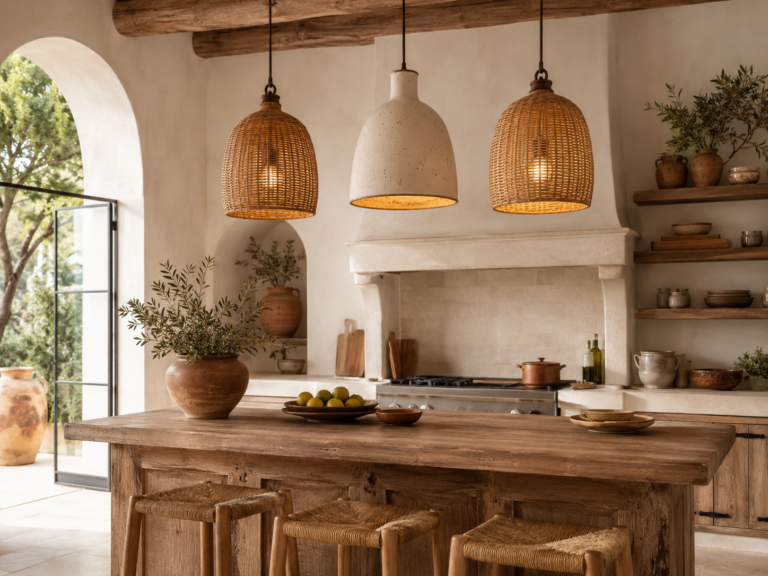
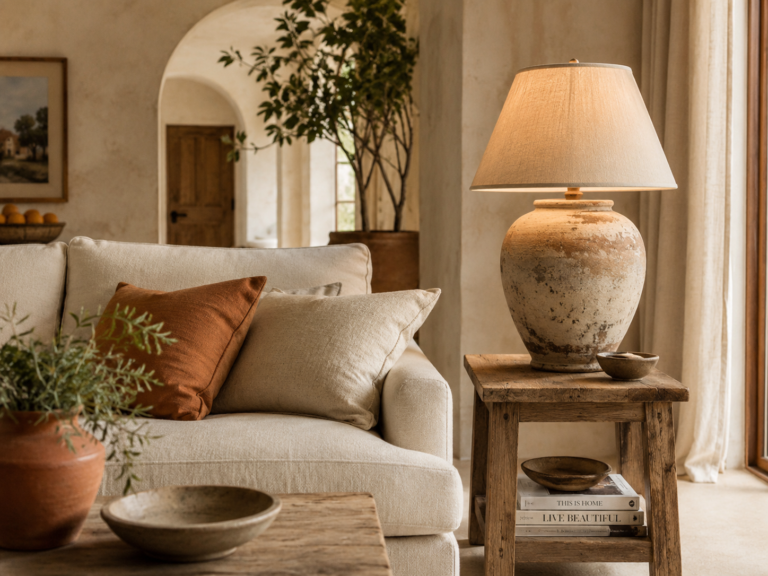
A Mediterranean home often feels sun-washed, relaxed, and connected to nature, but you do not need a large villa or bright open room to bring that feeling indoors. A small apartment corner with limited natural light can still become a calm, earthy plant moment when you choose the right greenery, containers, colors, and textures. The key is not to force tropical abundance into a space that cannot support it. Instead, think of a quiet corner shaped by terracotta clay, woven baskets, hardy leaves, aged wood, and soft neutral walls.
This approach works especially well for renters, city apartments, and rooms where windows face another building or receive only indirect light. The goal is to build a Mediterranean-inspired indoor plant corner that feels intentional rather than crowded. A few resilient plants in beautiful pots can do more for the atmosphere than a dozen struggling plants in mismatched containers. With thoughtful layering, even a dim room can feel warmer, more natural, and more connected to the relaxed spirit of southern European interiors.
Start With the Mood, Not the Number of Plants
The most common mistake in a small plant corner is buying too many plants before deciding what the corner should feel like. Mediterranean decor is rarely about clutter. It is about texture, age, warmth, and balance. Before choosing plant varieties, imagine the mood you want: a quiet reading nook, a soft entry corner, a living room accent beside a sofa, or a calming bedroom vignette.
For a low-light apartment, a successful Mediterranean plant corner should feel grounded, warm, and slightly rustic. That means choosing a reduced palette of clay, sand, cream, olive green, straw, dark wood, and aged brass. Rather than mixing glossy plastic pots or bright colors, use containers that look tactile and natural. Terracotta is the easiest starting point because it instantly brings Mediterranean character, especially when paired with matte ceramics and woven planters.
Think in layers: one taller plant for height, one medium plant for fullness, one trailing plant for movement, and one sculptural decorative object to make the corner feel styled. This formula creates depth without overwhelming a small apartment.
Best Low-Light Plants for a Mediterranean Look
Traditional Mediterranean plants such as olive trees, lavender, and citrus usually need strong sunlight, which makes them difficult in dim apartments. Instead of choosing plants only because they are native to the Mediterranean region, choose low-light-friendly houseplants that visually support the Mediterranean mood. Look for sculptural leaves, deep green tones, and graceful silhouettes.
Snake Plant for Architectural Shape
The snake plant is one of the best choices for a Mediterranean-inspired low-light corner because it has strong vertical lines. Its upright leaves echo the architectural feeling of arches, shutters, and tall ceramic vessels. Place it in a simple terracotta pot or a woven basket to soften its modern shape.
ZZ Plant for Glossy Deep Green
The ZZ plant tolerates low light and irregular watering, making it ideal for apartments. Its rich green leaves add a polished note without needing much attention. To keep it from looking too contemporary, avoid a shiny black pot and choose an aged clay, stone-effect, or cream ceramic planter instead.
Pothos for Soft Trailing Movement
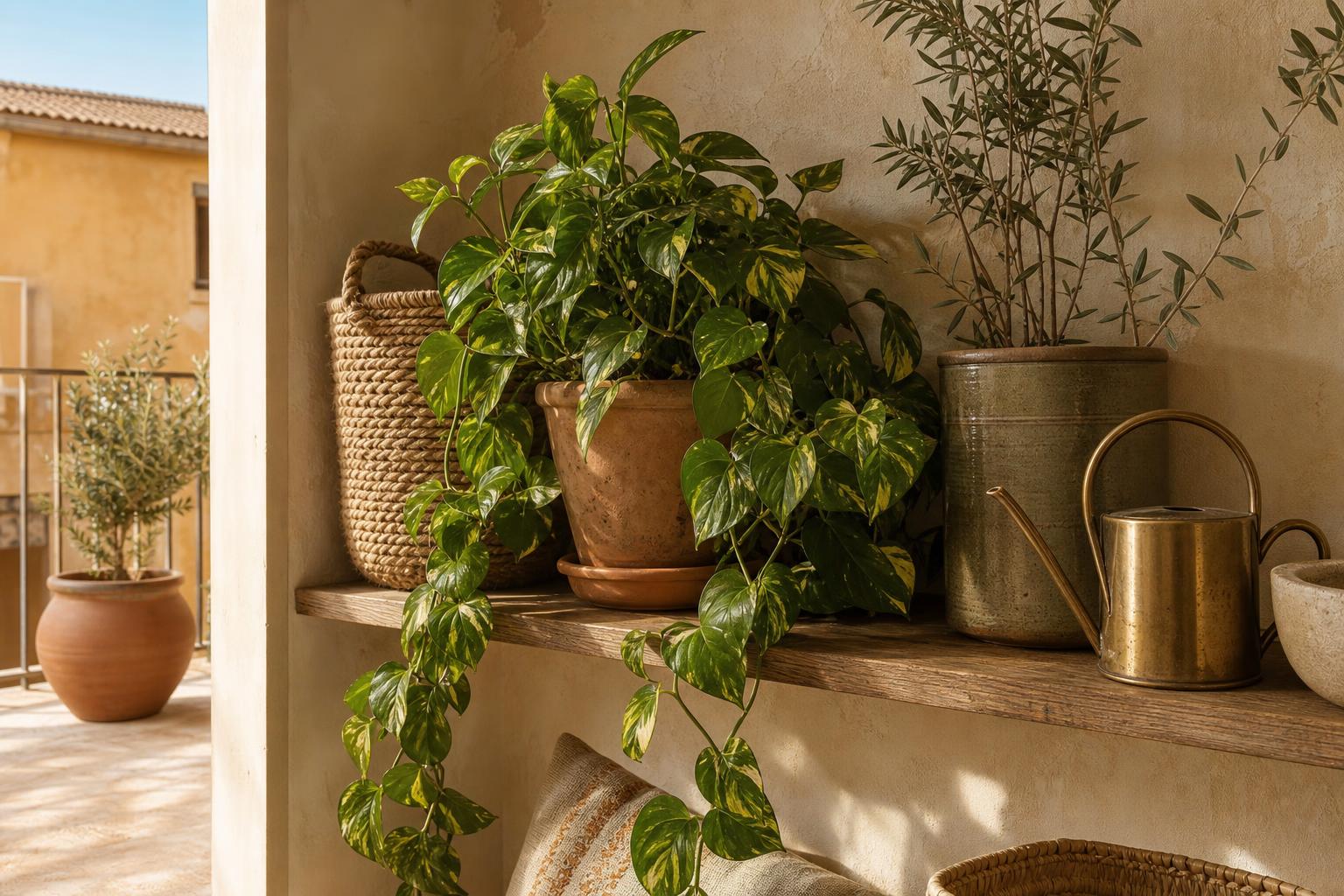
A trailing pothos brings movement to a Mediterranean plant corner. Let it drape from a rustic wood stool, wall shelf, or plant stand. The trailing vines soften corners, add life to small rooms, and create a relaxed, lived-in feeling that pairs beautifully with linen curtains and woven textures.
Cast Iron Plant for Quiet Elegance
The cast iron plant is understated and tolerant of shade. Its broad leaves look elegant in a simple clay pot. This is a strong choice if you want a plant corner that feels mature, calm, and not overly trendy.
Rubber Plant for a Fuller Corner
If your room receives medium indirect light, a rubber plant can add height and fullness. Choose a deep green variety rather than a highly variegated one if your goal is a warmer, more classic Mediterranean look.
Use Terracotta Pots as the Foundation
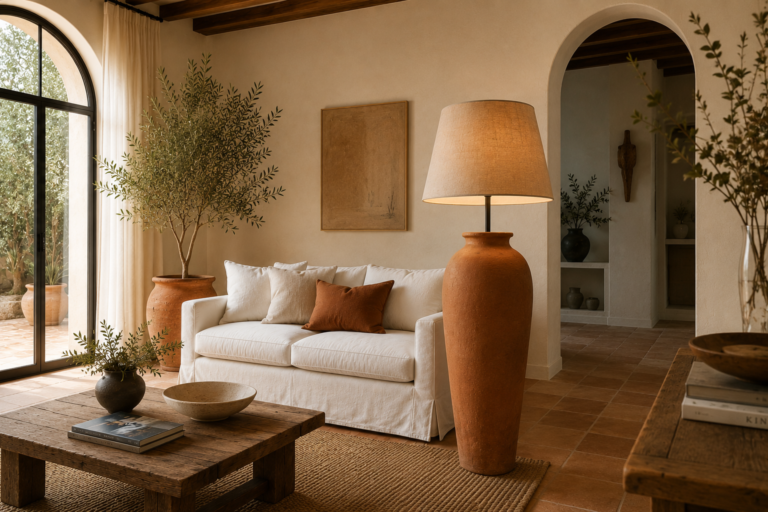
Terracotta is one of the simplest ways to make indoor plants feel Mediterranean. Its warm orange-brown tone pairs naturally with cream walls, stone floors, wood furniture, and woven rugs. In a low-light apartment, terracotta also adds warmth that sunlight might otherwise provide.
For a more collected look, do not use identical pots for every plant. Mix sizes and finishes while staying within the same material family. One pot can be smooth clay, another lightly aged, and another with a simple ribbed detail. The slight variation gives the corner the feeling of a home gathered over time.
If you are worried about water marks on floors or shelves, use saucers or place nursery pots inside decorative terracotta cachepots. This gives you the look of clay while making watering easier. In rental apartments, this is especially useful because it protects wood floors and painted surfaces.
Layer Woven Baskets for Texture and Warmth
Where terracotta adds warmth, woven baskets add softness. A seagrass or rattan basket can hide basic nursery pots and bring an artisanal feeling to a plant corner. This works particularly well for larger plants, where a big terracotta pot might feel too heavy or expensive.
Choose baskets with natural tones rather than gray-washed or overly white finishes. Mediterranean interiors usually feel best with sun-baked fibers, honey tones, and handmade textures. A basket planter around a snake plant or ZZ plant creates an easy balance of structure and casualness.
To avoid moisture damage, keep the plant in its plastic nursery pot and place a waterproof saucer inside the basket. This small detail keeps the styling practical while preserving the relaxed look.
Build Height With Stools, Shelves, and Pedestals
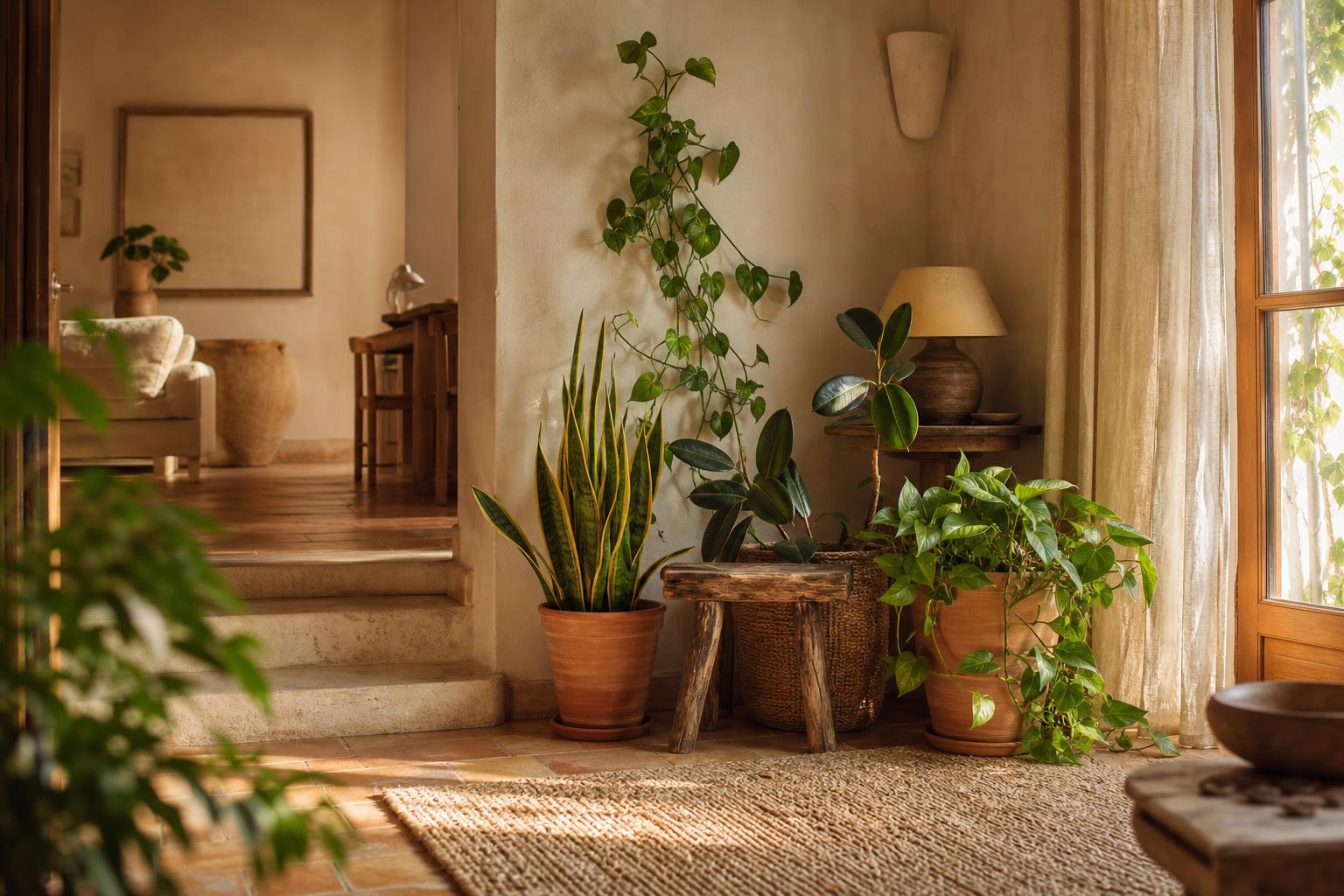
A plant corner becomes more interesting when the plants sit at different heights. In a small apartment, vertical styling helps the corner feel designed without taking up much floor space. A rustic wood stool is one of the most useful pieces for this look. It can hold a trailing pothos, a small ceramic pot, or a stack of linen-covered books beneath a plant.
Wall shelves are another rental-friendly option if you can install them safely, or you can use a leaning ladder shelf for a more flexible solution. Keep the shelf styling simple. One plant, one ceramic object, and one small framed print are enough. Mediterranean style depends on breathing room as much as material richness.
If your style leans more refined, a stone-look pedestal or plaster side table can create a sculptural base for a single beautiful plant. This works well beside a sofa, near a bedroom window, or in an empty corner that needs presence without visual clutter.
Choose a Mediterranean Color Palette for the Corner
Even if the rest of your apartment is plain, your plant corner will feel more cohesive if you work within a clear color palette. For a low-light room, avoid making the corner too dark. Use deep green leaves as the richest color, then support them with warm neutrals.
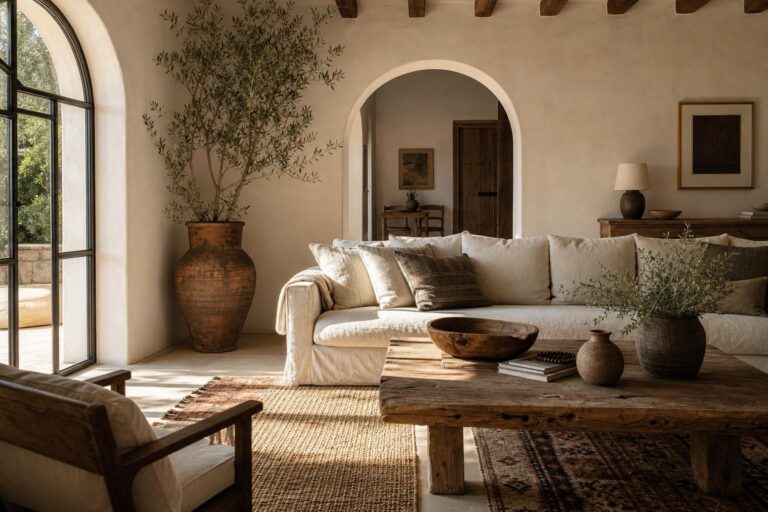
A reliable palette includes warm white, sand, terracotta, olive green, natural straw, aged brass, and dark walnut. These colors create a Mediterranean mood without requiring major renovation. If your walls are cool gray or bright white, soften the corner with textiles and materials: a small jute rug, a beige linen curtain, or a warm wood stool can shift the entire feeling.
For a more coastal Mediterranean look, add one muted blue or blue-gray ceramic pot. Keep it subtle. The goal is a calm accent, not a nautical theme. One blue ceramic planter among terracotta and woven pieces can feel fresh and classic.
Make Low Light Feel Intentional
Low light does not have to feel gloomy. In fact, Mediterranean interiors often use shadow beautifully. The trick is to make the corner feel softly lit rather than forgotten. If your plant corner is far from a window, add a warm lamp nearby. Choose a small table lamp with a linen shade, a ceramic base, or an aged brass finish.
Warm lighting brings out the color of terracotta and makes green leaves look richer in the evening. Avoid harsh white bulbs, which can make natural textures look flat. A warm white bulb creates a softer atmosphere and helps the plant corner become part of the room after sunset.
If the plants truly receive very little daylight, consider rotating them closer to a window every few weeks. You can also use a discreet grow light with a warm-toned bulb, but hide it within a lamp-style fixture if possible so the decor still feels natural and elegant.
Style the Floor Around the Plant Corner
The floor is often ignored, but it shapes the entire plant vignette. A small woven rug or flat jute mat can visually anchor the corner, especially in apartments with plain laminate or cool tile floors. The rug does not need to be large. Even a small natural fiber mat beneath a plant stand can make the arrangement feel intentional.
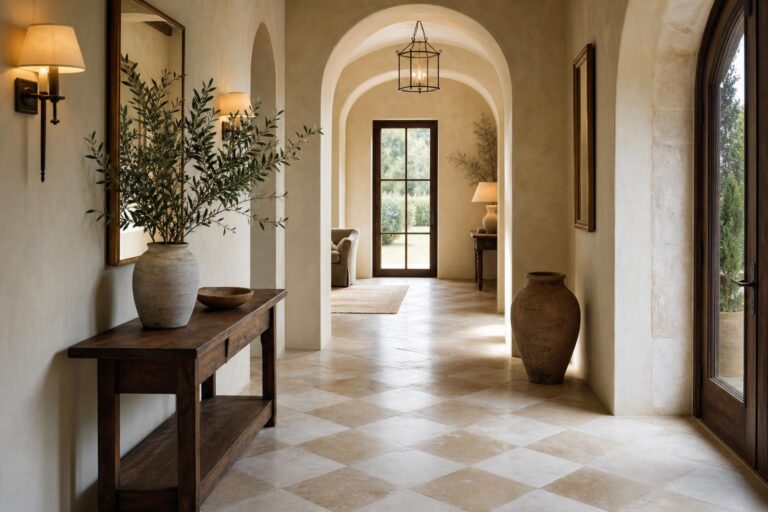
If you already have beautiful wood or tile flooring, let it show. Place plants slightly away from the wall and vary the heights so the floor remains visible. Mediterranean design often celebrates simple surfaces, so do not cover every inch.
For renters who want more character, a removable tile-look vinyl mat in a terracotta or stone pattern can suggest the feeling of Mediterranean flooring without renovation. Use it sparingly so it looks like a styled base rather than a fake floor replacement.
Add Handmade Details Without Overdecorating
A Mediterranean plant corner should not rely only on plants. Small handmade objects bring soul to the arrangement. A ceramic bowl, a clay watering jug, a woven tray, a carved wood stool, or a rustic candle holder can make the corner feel collected.
The key is restraint. Choose two or three decorative pieces, not ten. If every surface is filled, the plants lose their impact. A single handmade ceramic pot can be more powerful than several small accessories scattered around.
Try this simple arrangement: a tall snake plant in a basket on the floor, a pothos in a terracotta pot on a wood stool, and a small ceramic bowl on the lower shelf or beside the stool. This combination creates shape, texture, and warmth without feeling busy.
Watering and Care for a Low-Light Plant Corner
Good styling will not matter if the plants decline quickly. Low-light plants usually need less water than people expect because the soil dries more slowly. Overwatering is one of the easiest ways to damage houseplants in dim apartments.
Before watering, touch the soil. If it still feels damp, wait. Use pots with drainage when possible, or keep plants in nursery pots inside decorative containers so excess water can be removed. Terracotta pots dry faster than glazed ceramics, which can be helpful for plants that dislike wet roots.
Dust leaves regularly with a soft cloth. In low light, clean leaves can absorb available light more effectively, and the plants will look healthier. This small habit also keeps the corner feeling cared for and elegant.
Small Apartment Layout Ideas
If space is limited, choose a plant corner that supports how you already live. Beside a reading chair, the plants can create a calm retreat. Near an entry, they can soften the transition into the home. In a living room, they can fill the area beside a media console or sofa without adding bulky furniture.
For a bedroom, keep the corner quieter and less crowded. A snake plant, a small ZZ plant, and one woven basket may be enough. In a home office, use vertical shelving so plants appear in the background without taking over the desk.
If your apartment has several small dim corners, resist spreading plants everywhere. A concentrated plant corner often looks more stylish than scattered single pots. Grouping creates impact and makes care easier.
What to Avoid
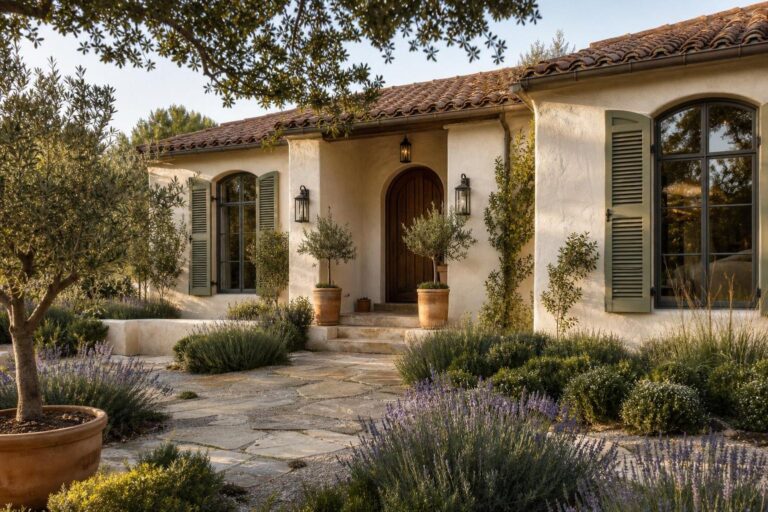
- Avoid sun-loving plants in dark corners. Olive trees and lavender are beautiful, but they usually need much brighter conditions than a low-light apartment can provide.
- Avoid too many tiny pots. Many small containers can look cluttered. Use fewer, larger pieces for a calmer Mediterranean effect.
- Avoid plastic-looking finishes. Glossy synthetic planters can weaken the natural mood. Choose clay, ceramic, basketry, wood, or stone-effect materials.
- Avoid cold lighting. Cool bulbs make terracotta and woven textures look dull. Warm lighting is much more flattering.
- Avoid overwatering. Low-light plants dry slowly, so check the soil before adding water.
A Simple Shopping List for the Look
To recreate this style, focus on a few high-impact pieces rather than buying everything at once. Begin with one tall low-light plant, one trailing plant, and one medium plant. Add two terracotta pots, one woven basket planter, and a small rustic stool. If the corner still feels flat, finish with a warm lamp or a handmade ceramic accent.
This layered approach gives you a Mediterranean look that feels natural and affordable. It also allows the corner to evolve slowly, which is often the most authentic way to decorate. A home that feels collected is more beautiful than one that looks completed in a single afternoon.
Shop the Mediterranean Look
Use these simple pieces to build a warm indoor plant corner with natural texture, low-light greenery, and timeless Mediterranean character.
- Terracotta plant pots with saucers
- Woven basket planters for indoor plants
- Low-light snake plant for apartment corners
- ZZ plant for low-light Mediterranean styling
- Rustic wood plant stand or stool
- Aged brass watering can for indoor plants
Conclusion: A Quiet Mediterranean Corner, Even Without Bright Sun
A low-light apartment can still hold the warmth and ease of Mediterranean decor. By choosing resilient plants, terracotta pots, woven baskets, rustic wood, and warm lighting, you can turn an overlooked corner into one of the most inviting parts of your home. The secret is to work with the room instead of against it. Let the light be soft, let the materials feel natural, and let the plants bring quiet structure rather than wild abundance.
With a thoughtful palette and a few well-chosen pieces, your indoor plant corner can feel relaxed, timeless, and deeply personal. It becomes more than a place to keep houseplants; it becomes a small daily reminder of Mediterranean living: simple textures, earthy beauty, and a slower, warmer way of being at home.