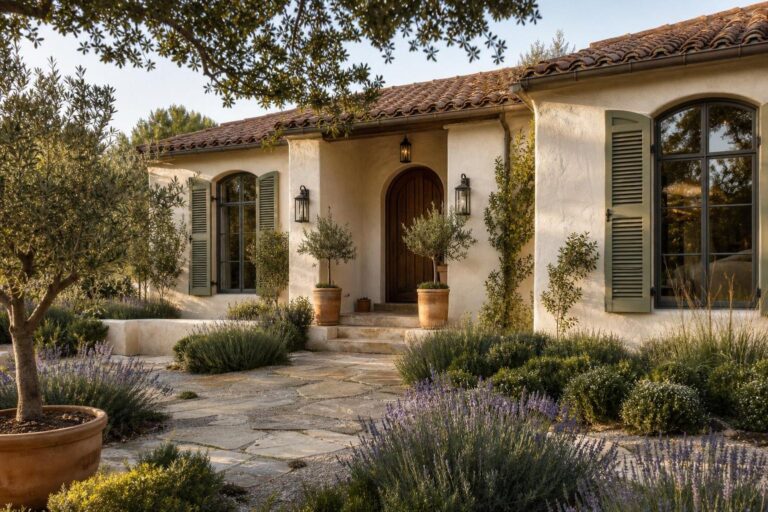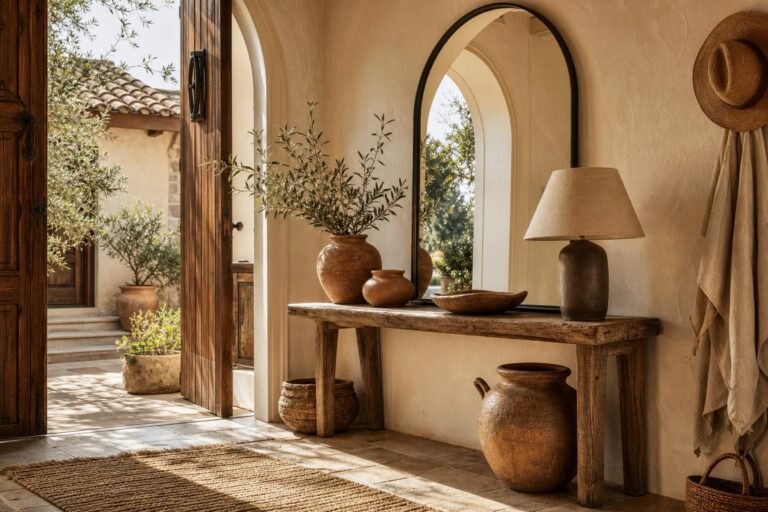
Mediterranean Floor Tile Ideas With Limestone Checkerboard for Cool Hallways
Why Limestone Checkerboard Floors Feel So Mediterranean
Mediterranean hallways often feel memorable because they treat transition spaces with the same care as living rooms, kitchens, and courtyards. A hallway is not only a passage from one room to another. In a Mediterranean home, it becomes a place where natural stone, warm light, plaster walls, and simple architectural rhythm create a quiet sense of arrival.
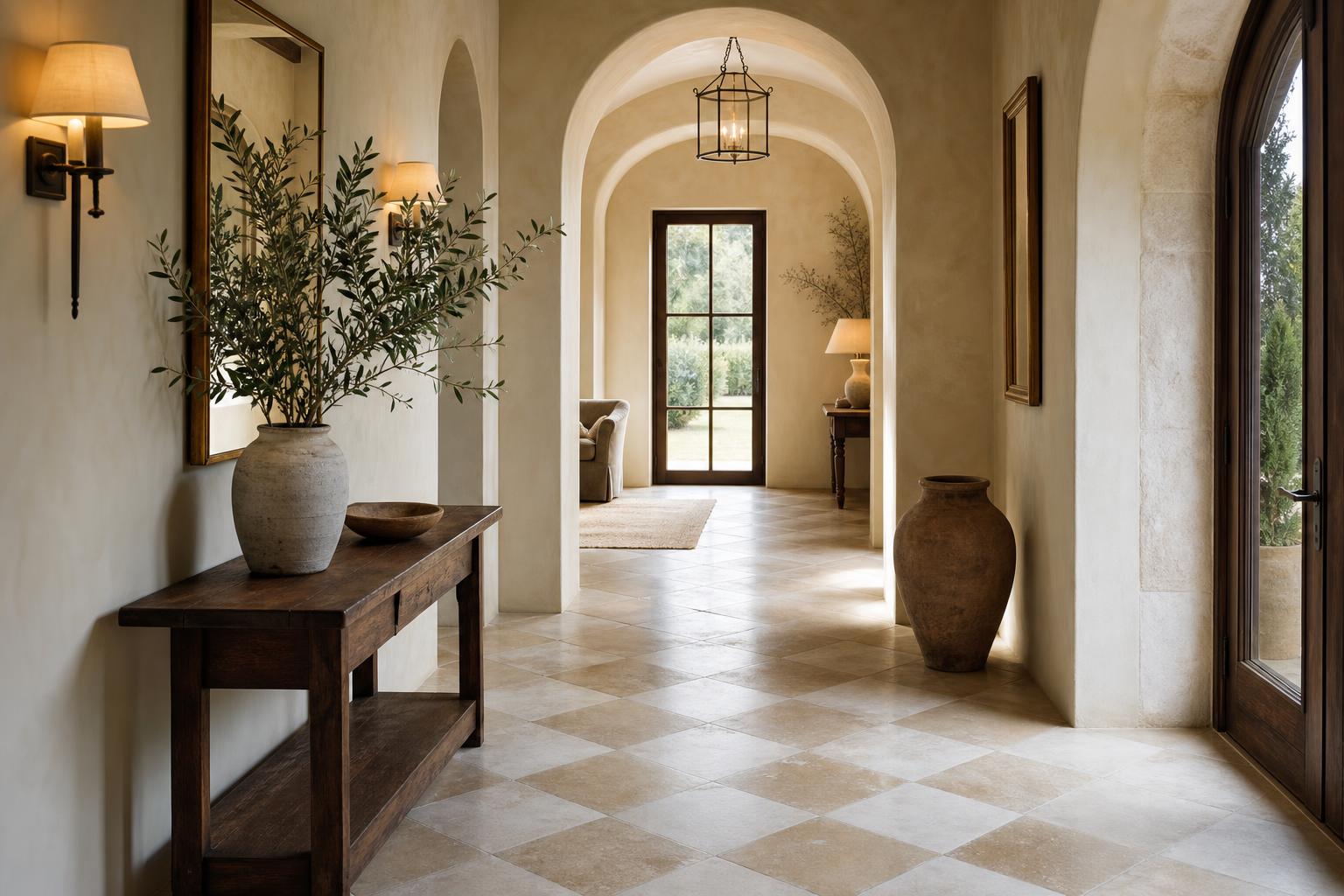
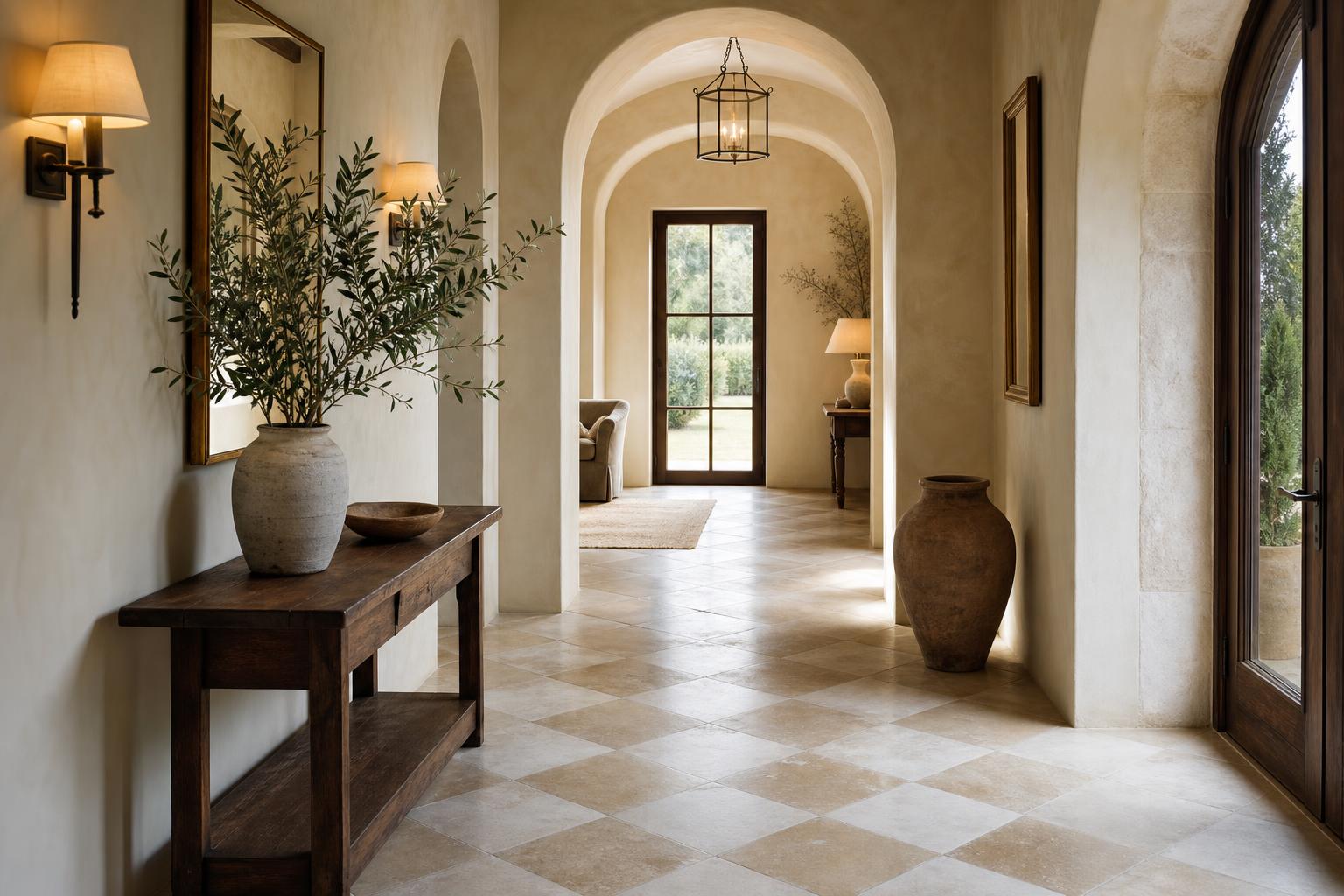
One of the most timeless ways to achieve this feeling is with a limestone checkerboard floor. Unlike a high-contrast black and white checkerboard, a Mediterranean limestone version is softer, cooler, and more relaxed. Think ivory and sand, bone and taupe, cream and weathered beige. The pattern still gives movement, but the natural stone keeps it grounded and elegant.
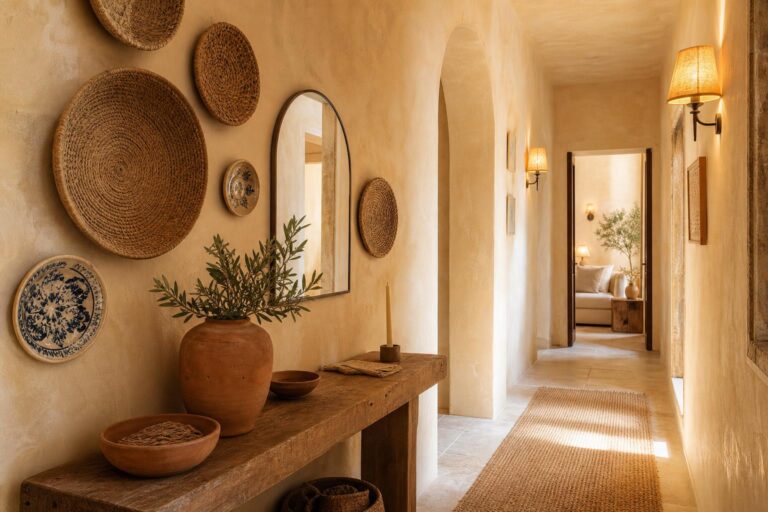
This approach works especially well in hallways because the checkerboard pattern naturally leads the eye forward. It gives a long corridor structure, makes a plain passage feel designed, and adds character without requiring heavy decoration. When paired with limewash walls, arched openings, dark wood accents, or brass lighting, limestone checkerboard tiles bring an old-world Mediterranean atmosphere that feels both refined and lived-in.
Choosing the Right Limestone Tones
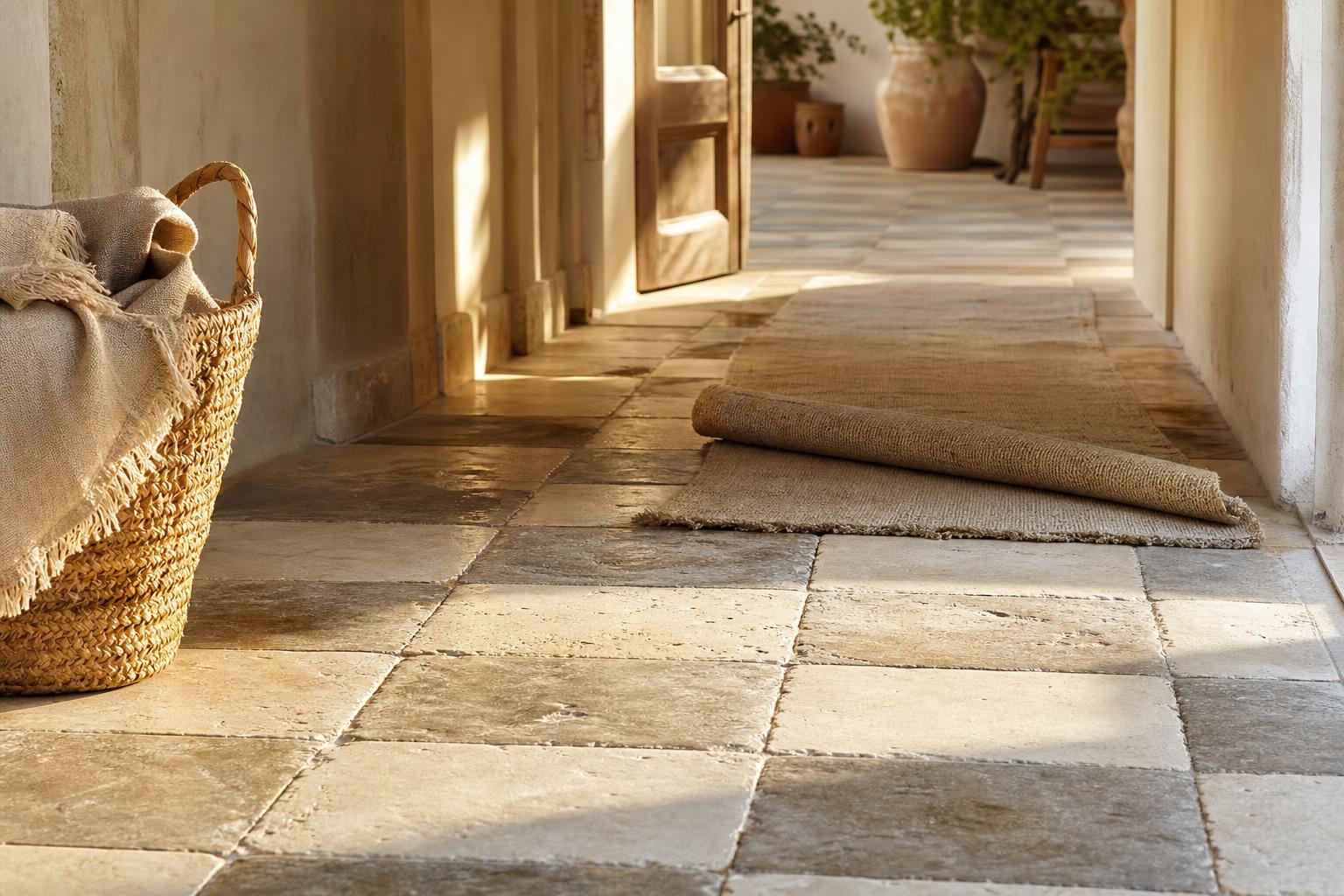
The success of a Mediterranean checkerboard floor depends heavily on the tile colors. Instead of choosing dramatic contrast, aim for tonal variation. The most elegant combinations feel sun-faded and mineral-rich, as if the floor has slowly aged inside a coastal villa or countryside home.
Ivory and Warm Beige
Ivory and warm beige is the safest and most versatile pairing. It creates a checkerboard effect while keeping the hallway bright. This palette works beautifully with cream plaster walls, linen curtains, oak furniture, and bronze or brass hardware. It is ideal for homes that need a pattern but still want a calm, neutral base.
Bone and Greige
Bone and greige limestone creates a slightly cooler, more understated look. This is a smart choice for narrow hallways, modern Mediterranean interiors, or homes with cooler natural light. The greige tiles add depth without making the floor feel dark, while the bone tiles keep the overall palette airy.
Sand and Soft Taupe
For a more rustic Mediterranean look, sand and soft taupe offer warmth and authenticity. This pairing feels closer to old stone floors in Provençal farmhouses, Italian villas, and Spanish-style homes. It is especially beautiful when combined with antique wood, woven baskets, clay pottery, and textured walls.
Before deciding, view tile samples in the actual hallway at different times of day. Limestone can shift color depending on light. A beige tile may look golden in afternoon sun, while a gray-beige tile may appear cooler in a shaded hallway. The goal is to create gentle contrast that feels natural, not graphic.
Honed, Brushed, or Tumbled: Which Finish Works Best?
Mediterranean interiors rarely rely on surfaces that look too polished or perfect. For hallway floor tiles, the finish matters as much as the color. Limestone can be honed, brushed, tumbled, or aged, and each option creates a different mood.
Honed Limestone for Quiet Elegance
Honed limestone has a smooth, matte finish. It feels refined without being shiny. This is a good option if you want a cleaner Mediterranean hallway that still has natural depth. Honed tiles are easier to pair with contemporary furniture, slim consoles, and minimal wall decor.
Brushed Limestone for Subtle Texture
Brushed limestone has a lightly textured surface that catches light softly. It is practical for hallways because it offers more grip than a polished surface. Visually, it feels relaxed and tactile, which suits Mediterranean design very well.
Tumbled Limestone for an Aged Villa Look
Tumbled limestone has softened edges and an intentionally worn appearance. This is the most atmospheric choice for a Mediterranean checkerboard hallway. The slightly irregular edges prevent the checkerboard from feeling too formal, while the surface adds old-world character. If you want the hallway to feel collected, historic, and sun-washed, tumbled stone is the strongest option.
For busy family homes, entry hallways, or corridors connected to outdoor access, a textured limestone finish is usually more practical than a polished one. It hides small marks, feels less slippery, and supports the relaxed imperfection that makes Mediterranean homes so charming.
Scale Matters: Tile Size for Long and Narrow Hallways
Checkerboard flooring can dramatically change how a hallway feels. The size of each tile determines whether the pattern feels elegant, busy, traditional, or modern. In Mediterranean design, proportion should feel intentional rather than overly decorative.
For narrow hallways, medium-sized tiles often work best. Tiles around 8 to 12 inches create enough pattern to be noticed without overwhelming the space. Very small tiles can look busy in a long corridor, while very large tiles may lose the rhythm that makes checkerboard floors appealing.
In wider hallways or gallery-like passages, larger limestone squares can look beautiful. A larger format gives the floor a grander, villa-inspired feeling. It also allows the natural veining and fossil-like details of limestone to become more visible.
If the hallway is short, consider aligning the checkerboard diagonally. A diagonal layout can make the space feel wider and more dynamic. For a long hallway, a straight checkerboard layout usually feels calmer and more architectural. It creates a clear line of movement and pairs well with repeated arches, doors, or sconces.
Grout Color for a Softer Mediterranean Look
Grout can either sharpen or soften a checkerboard pattern. In a Mediterranean hallway, softer is usually better. Avoid bright white grout, which can make natural stone look too new and create harsh lines between tiles. Instead, choose a grout that blends gently with the lighter limestone tone.
- Warm ivory grout works well with cream and beige limestone combinations.
- Sand-colored grout gives the floor a natural, relaxed appearance.
- Light taupe grout is useful when the darker tile has gray or greige undertones.
- Stone beige grout helps disguise dust and everyday wear in busy hallways.
A slightly wider grout line can enhance a rustic Mediterranean mood, especially with tumbled stone. For a more refined look, use a narrower grout line with honed limestone. The key is to avoid making the grout the main feature. It should support the floor’s aged beauty rather than outline every square too strongly.
Pairing Limestone Checkerboard With Wall Finishes
Once the floor has pattern, the walls should create balance. Mediterranean hallways are often defined by plaster-like texture, warm whites, and subtle mineral tones. Flat, cold white paint can make limestone feel dull, while textured finishes bring the stone to life.
Limewash Walls
Limewash is one of the best wall finishes for a Mediterranean hallway. Its cloudy, layered effect echoes the natural variation in limestone. Choose a warm white, chalky cream, pale clay, or soft stone shade. These colors allow the checkerboard floor to stand out while keeping the space serene.
Textured Plaster
If authentic limewash is not practical, a plaster-effect paint or subtle textured finish can create a similar atmosphere. The goal is not heavy texture, but gentle movement. Mediterranean interiors often feel beautiful because surfaces are not perfectly flat. They catch light in a soft, imperfect way.
Painted Wainscoting or Simple Base Trim
In a hallway with limestone checkerboard floors, simple base trim can frame the space without competing. Painted woodwork in warm white, muted mushroom, or dusty beige feels classic. Avoid overly ornate trim unless the architecture supports it. Let the stone floor remain the main design element.
For a more rustic approach, consider a low plaster ledge or thick base detail instead of traditional trim. This can give the hallway a built-in, old-world feeling that suits Mediterranean design beautifully.
Furniture That Complements a Patterned Stone Floor
Because limestone checkerboard flooring already brings movement, hallway furniture should be simple and sculptural. Choose pieces that add warmth and function without cluttering the corridor.
- A narrow dark wood console creates contrast against pale stone and light walls.
- A rustic bench adds practicality while softening the formal geometry of the floor.
- A wall-mounted shelf works well in tight hallways where floor space is limited.
- A ceramic garden stool can function as a small landing spot for keys or flowers.
- A woven basket brings texture and offers discreet storage for shoes, scarves, or umbrellas.
Dark walnut, aged oak, and reclaimed wood all pair beautifully with limestone. The warmth of wood prevents the floor from feeling cold. For a lighter Mediterranean look, choose bleached or weathered wood, but make sure it has visible grain or texture. Smooth, overly modern furniture can feel disconnected from the natural stone.
Lighting Ideas for a Cool Stone Hallway
Limestone can look flat without good lighting. The right lighting brings out its veining, texture, and subtle color shifts. Mediterranean hallways often rely on warm, layered light rather than one harsh overhead fixture.
Wall Sconces
Wall sconces are one of the most effective choices. They create rhythm along a hallway and make the floor glow softly at night. Choose aged brass, bronze, plaster, ceramic, or wrought iron finishes. A warm white bulb is essential. Cool bulbs can make limestone look gray and uninviting.
Lantern-Style Fixtures
If the hallway has enough ceiling height, a lantern fixture can add Mediterranean charm. Look for simple metal frames, seeded glass, or aged finishes. Avoid anything too ornate if the floor already has a strong pattern. The best lighting feels architectural, not theatrical.
Low Evening Light
For a truly atmospheric hallway, add a small table lamp on a console. A ceramic base with a linen shade creates a warm pool of light that softens the stone floor. This is especially beautiful near an entry, at the end of a corridor, or beside an arched doorway.
Rugs and Runners: Should You Cover Checkerboard Tile?
Many homeowners hesitate to place a rug over a beautiful checkerboard floor. In a Mediterranean hallway, a runner can actually make the tile feel more layered and lived-in. The key is to reveal enough of the pattern on both sides so the floor remains visible.
Choose runners with faded colors, natural fibers, or low pile textures. Vintage-inspired rugs in muted rust, olive, tan, indigo, or faded rose can look stunning against limestone. For a more restrained look, use a jute, wool, or flatweave runner in oatmeal or sand.
Avoid high-contrast geometric rugs that fight with the checkerboard. The floor is already patterned, so the runner should feel softer and more organic. Distressed motifs, subtle stripes, or worn medallion designs are easier to layer.
In practical terms, a runner also protects high-traffic areas and adds comfort underfoot. Use a quality rug pad that is suitable for stone floors, and avoid rubber backings that may discolor natural stone over time.
Decor Details That Make the Hallway Feel Finished
A Mediterranean checkerboard hallway does not need many accessories. A few carefully chosen details are enough to complete the look. Focus on materials that feel authentic: ceramic, wood, linen, iron, stone, glass, and woven fibers.
- Arched mirrors echo Mediterranean architecture and reflect light into narrow spaces.
- Handmade ceramic vases add an artisan quality and look beautiful with olive branches or dried stems.
- Framed landscape sketches bring a quiet European mood without overwhelming the walls.
- Woven baskets add storage and soften the coolness of stone.
- Antique brass trays provide a practical landing spot on a console table.
- Linen lampshades warm up evening light and add texture.
Restraint is important. The checkerboard floor already gives the hallway visual identity. Too many accessories can make the space feel crowded. Mediterranean design is most powerful when it feels edited, natural, and connected to simple materials.
Practical Care for Limestone Hallway Floors
Limestone is beautiful, but it is a natural material that needs the right care. In a hallway, where shoes, dust, and daily movement are unavoidable, maintenance should be considered from the beginning.
Sealing limestone is essential. A good stone sealer helps protect against staining and makes everyday cleaning easier. Because limestone is porous, spills should be wiped quickly, especially anything acidic such as citrus, vinegar, or wine. Avoid harsh cleaners and use products made for natural stone.
Regular sweeping is important because grit can scratch the surface over time. A soft broom, microfiber mop, or vacuum with a hard-floor setting works well. For deeper cleaning, use a pH-neutral stone cleaner. The aim is to preserve the stone’s natural patina rather than make it look brand new.
If you love the aged Mediterranean look, small imperfections can become part of the charm. Tumbled limestone in particular is forgiving because its softened finish already has variation. Over time, the floor can develop a gentle patina that makes the hallway feel even more authentic.
Budget-Friendly Alternatives to Real Limestone
Real limestone is not always possible, especially for rentals, quick makeovers, or tighter renovation budgets. Fortunately, you can still capture the look with thoughtful alternatives.
Limestone-Look Porcelain Tile
Porcelain tile that mimics limestone is one of the most practical options. It is durable, easier to maintain, and often more affordable than natural stone. Look for porcelain with subtle veining, matte texture, and warm neutral tones. Avoid designs with overly repeated patterns, which can make the floor look artificial.
Checkerboard Peel-and-Stick Tile
For a temporary update, peel-and-stick checkerboard tiles can create a Mediterranean-inspired effect in a hallway. Choose softer beige and cream tones instead of stark black and white. While they will not have the depth of stone, they can dramatically change the feeling of a space at a lower cost.
Painted Floor Patterns
If you have existing wood or concrete floors, a painted checkerboard can be an artistic alternative. Use mineral-inspired colors such as ivory, clay beige, stone gray, or warm taupe. A matte finish will feel more Mediterranean than a glossy one.
The most important principle is softness. Whether you choose real limestone, porcelain, vinyl, or paint, the palette should feel naturally aged and sun-washed. That is what separates a Mediterranean checkerboard hallway from a more graphic or modern interpretation.
Common Mistakes to Avoid
A limestone checkerboard hallway can look timeless, but a few design choices can make it feel less authentic. The first mistake is choosing too much contrast. Black and white can be beautiful in other styles, but if the goal is Mediterranean warmth, softer stone tones usually work better.
The second mistake is using glossy finishes. Mediterranean floors typically feel matte, tactile, and grounded. Highly polished tile can make a hallway feel slippery and formal rather than relaxed and aged.
Another common issue is pairing the floor with cold gray walls. Cool gray paint can drain the warmth from limestone. Instead, choose warm whites, putty, cream, sand, or soft plaster shades. These tones flatter the stone and create a more inviting atmosphere.
Finally, avoid overcrowding the hallway. The pattern is already decorative. Give it room to breathe with slim furniture, simple lighting, and natural accessories.
How to Build a Complete Mediterranean Hallway Scheme
To create a cohesive design, think of the hallway as a layered composition rather than a floor choice alone. Start with the limestone checkerboard as the foundation. Add warm plaster walls, aged metal lighting, one wood element, and one or two handmade textures.
A strong example might include ivory and beige tumbled limestone tiles, limewash walls in warm cream, bronze wall sconces, a narrow reclaimed wood console, an arched mirror, and a ceramic vase filled with olive branches. This combination feels classic without being overdecorated.
For a calmer version, use bone and greige honed limestone, putty-colored walls, slim plaster sconces, a pale oak bench, and a simple wool runner. This creates a more modern Mediterranean hallway while still honoring natural materials.
For a rustic version, combine sand and taupe tumbled stone, textured plaster walls, a dark antique console, woven baskets, and a faded runner in muted terracotta or olive. This style feels collected, warm, and deeply lived-in.
Shop the Mediterranean Look
Use these pieces to echo the cool limestone, aged textures, and relaxed elegance of a Mediterranean checkerboard hallway.
- limestone-look checkerboard floor tiles
- Mediterranean hallway runner rug
- warm brass wall sconces
- arched wood wall mirror
- ceramic vase with olive branches
- natural stone tile sealer
Conclusion: A Floor That Gives the Hallway Soul
Mediterranean floor tile ideas are most successful when they feel connected to material, light, and atmosphere. A limestone checkerboard hallway is not just a decorative pattern. It is a way to bring rhythm, coolness, age, and quiet elegance into a space that is often overlooked.
By choosing soft stone tones, matte or tumbled finishes, warm grout, textured walls, and simple natural accents, you can create a hallway that feels timeless rather than trendy. Whether you use real limestone or a practical limestone-look alternative, the secret is to keep the contrast gentle and the materials honest.
The result is a hallway that feels calm in the morning, welcoming in the evening, and full of Mediterranean character every day. It proves that even a narrow passage can become one of the most beautiful and atmospheric spaces in the home.