Mediterranean Terrace Ideas for a Covered Dining Space That Works After Sunset
A covered terrace can be the most useful room of a Mediterranean home, but it often becomes a passageway: a few mismatched chairs, one hard overhead light, a cluster of pots pushed to the wall, and a table that is either too large to move around or too small to invite dinner outside.
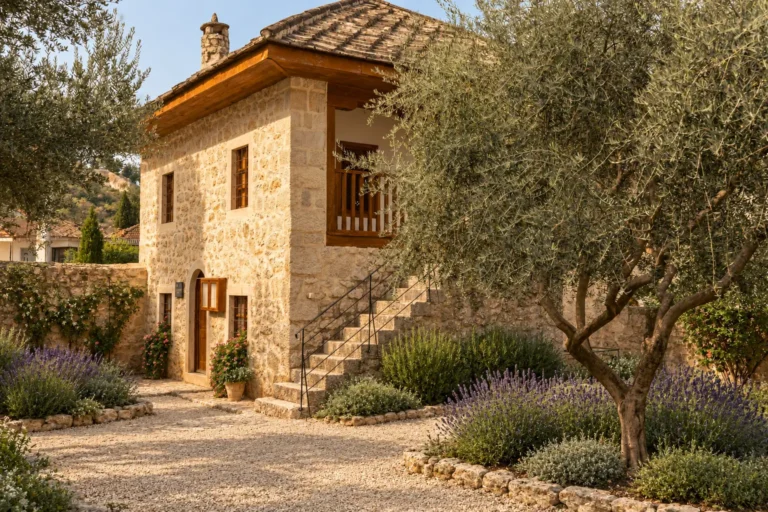
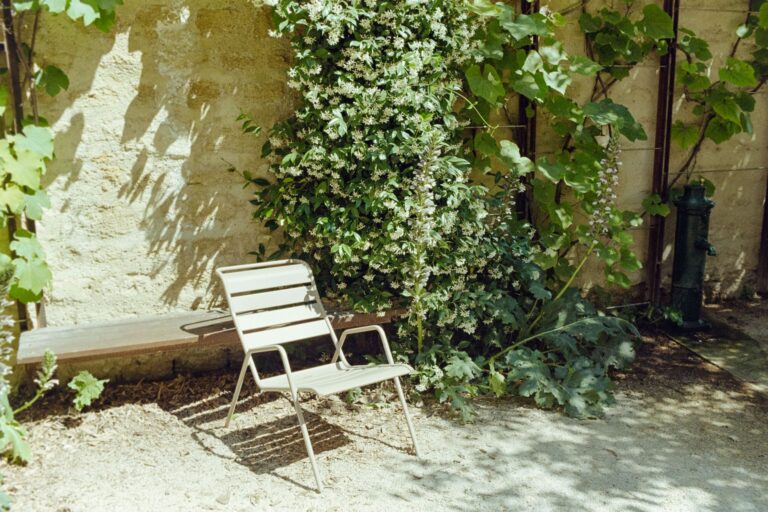
The better version is not a resort scene. It feels closer to a modest terrace behind a village house in Provence: limestone underfoot, a simple table, linen folded over chair backs, terracotta pots in partial shade, and lighting that makes the meal linger without turning the terrace into a stage. The goal is a dining space that works at noon, at dusk, and after the plates have been cleared.
Start with the table, not the decoration
On a covered terrace, the table decides nearly everything: circulation, light placement, plant positions, and whether people actually use the space. Before buying lanterns or cushions, decide how the terrace should behave on an ordinary evening. Is it for two people having supper most nights, or for six on weekends? Does anyone need to pass through to reach a garden, laundry area, or back door?
For a narrow terrace, a rectangular table usually works better than a round one because it can sit parallel to the wall and leave a clearer path. A round table can be charming in a square courtyard-like corner, especially when the chairs can pull out evenly on all sides. If the terrace is shallow, a bench on the wall side can save space, but only if it is comfortable enough for a full meal. A bench that looks good in a photograph but forces guests to perch will not become part of daily life.
Materials should look natural in dust, sun, and shadow. A weathered wooden table, blackened iron base, or pale stone top sits comfortably with Provençal materials. Very glossy outdoor furniture often feels too new beside limewashed plaster or old tile. If your terrace is attached to a newer house, choose one honest material and repeat it quietly: wood table with wood chairs, or metal-framed chairs with a pale seat cushion, rather than mixing every rustic cue at once.
Choose a floor surface that can handle shade, crumbs, and watering cans
A covered terrace is protected, but it is not clean in the way an indoor dining room is clean. Wind still brings dust. Plants still drop leaves. Guests still walk in with damp shoes. The most convincing Mediterranean terraces accept this instead of fighting it with polished finishes.
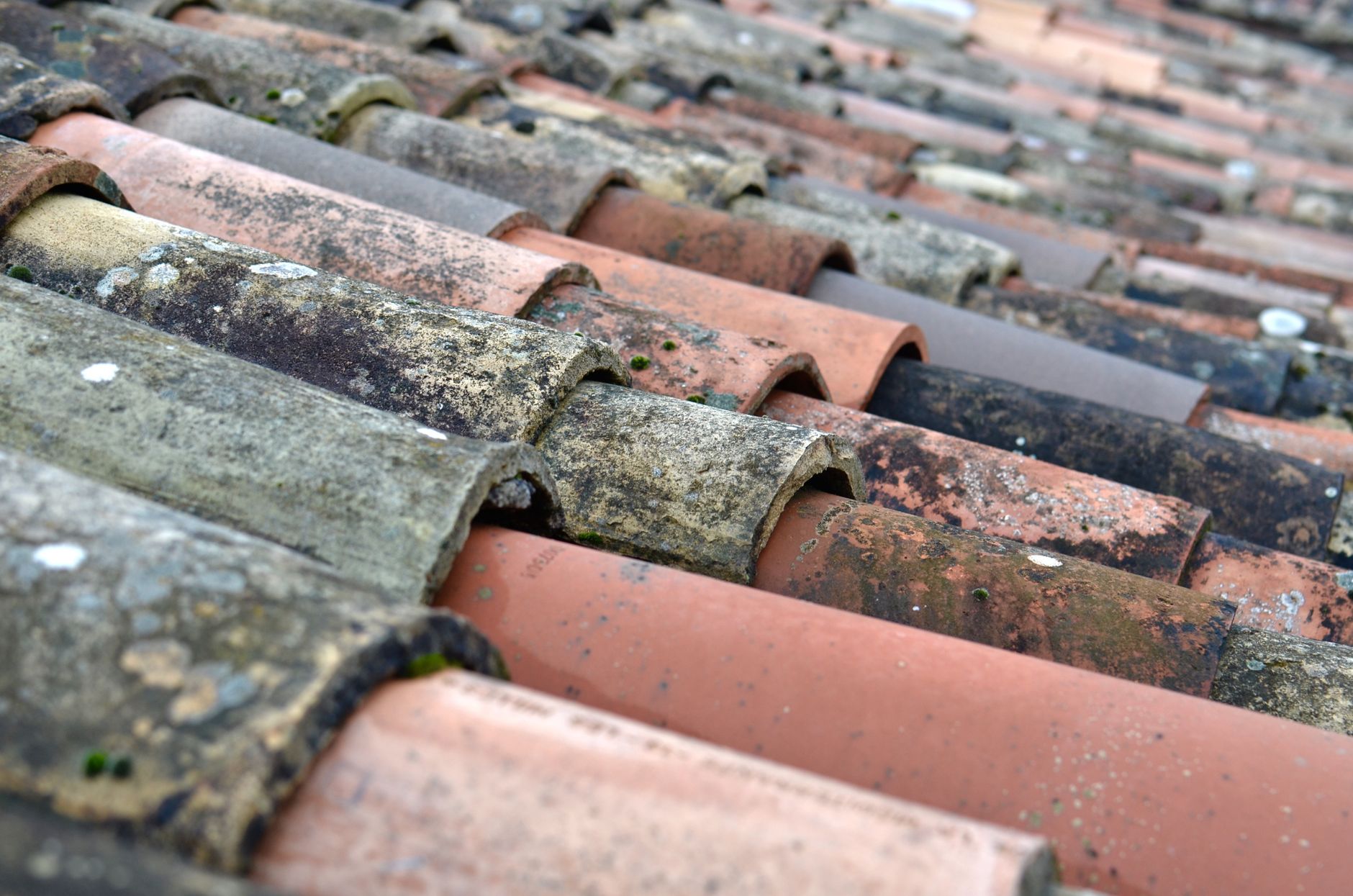
Handmade terracotta tiles, aged limestone, matte travertine, and simple gravel borders all suit the atmosphere because they do not need to look perfect. If you already have concrete, the kinder solution is often restraint: soften it with a natural table, generous pots, and warm lighting rather than trying to disguise every inch. A thin outdoor rug can help underfoot, but in a covered dining space it should not become a trap for crumbs, moisture, or chair legs. If chairs scrape frequently, leave the main dining zone bare and use textiles on the table instead.
For maintenance, avoid finishes that depend on shine. Matte stone, sealed terracotta, and lime-toned surfaces hide everyday dust better than glossy porcelain. If you are choosing new tile, ask how it behaves when wet and whether it needs sealing. A terrace used for dining should be easy to sweep quickly before dinner; if the floor demands special care after every meal, the space will feel precious rather than welcoming.
A simple measurement rule for a terrace dining layout
Covered terraces are often less flexible than open patios because of columns, doors, steps, shutters, and low beams. A few practical measurements help the space feel relaxed rather than squeezed.
- Leave about 36 inches behind dining chairs where people need to pull out a chair and still pass comfortably. If the terrace is very tight, use a bench on one side and keep the chair side open.
- Keep 18 to 24 inches between large pots and the table edge so greenery feels present without brushing elbows or catching chair legs.
- Hang or place lighting above seated eye level when possible. The glow should fall across the table, not directly into faces.
- Allow one clear route from the house to the terrace edge before adding extra stools, plant stands, or baskets. Mediterranean ease depends as much on movement as on materials.
These measurements are not rigid rules for every home, but they prevent the common problem of a terrace that looks furnished and still feels awkward. In a small space, subtract before you add: fewer chairs, fewer pots, one better light source, and a table that people can approach easily.
Build the palette from the house outward
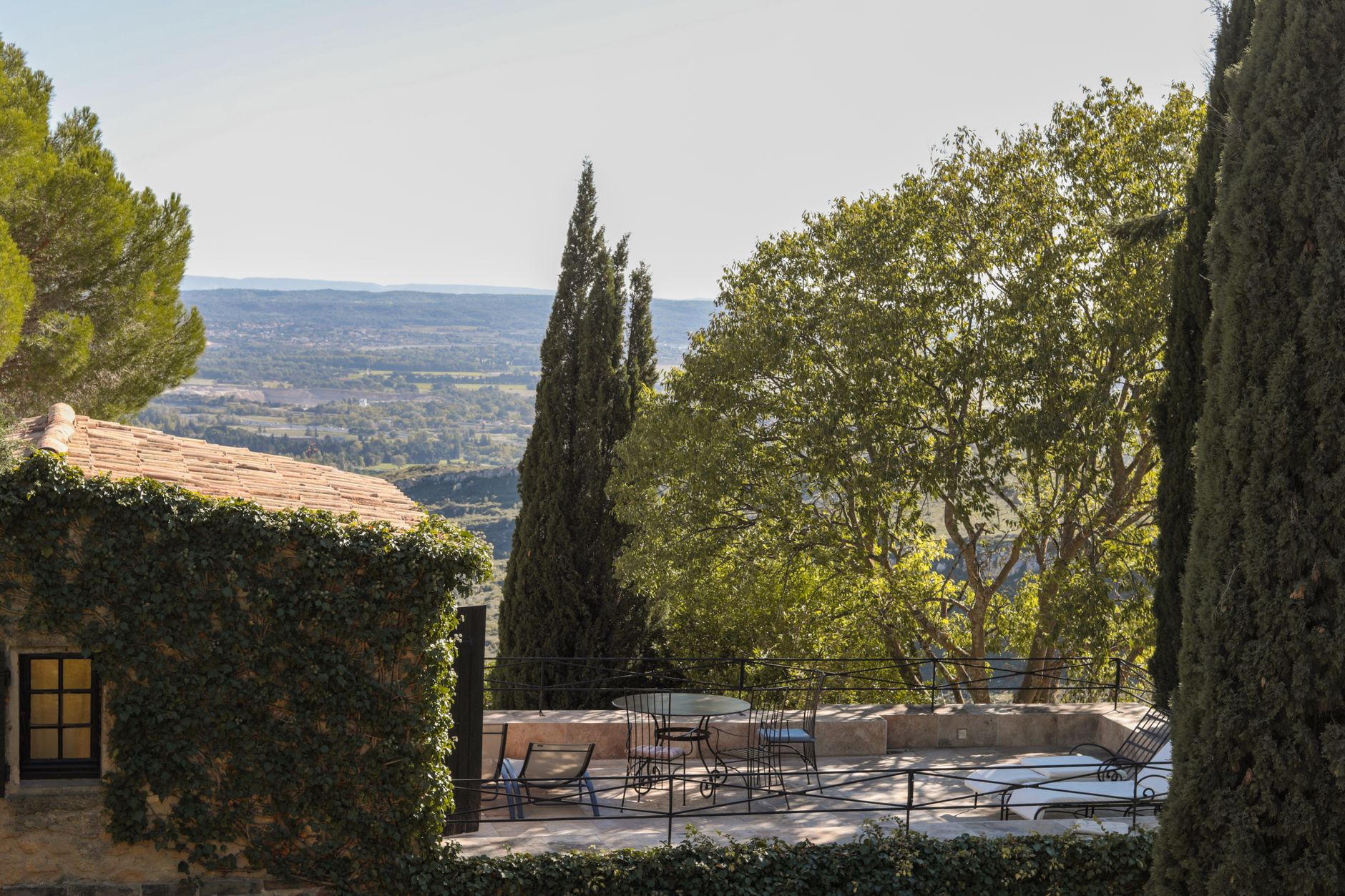
The most believable Mediterranean terrace palettes come from what is already there: the stone wall, the plaster color, the shutters, the roof tile, the garden beyond. Instead of choosing a theme, look at the fixed materials and pull quieter versions of those colors into the furniture and textiles.
If the walls are chalky white or pale cream, warm the space with washed terracotta, sand, flax linen, and aged wood. If the terrace has golden limestone, avoid bright white cushions that can look sharp against the stone; choose oatmeal, unbleached linen, soft taupe, or faded olive. If shutters or doors are muted green, let that be the strongest color and keep the rest of the scheme sun-faded.
Blue can work, but it should be used with care. The South of France is not only blue-and-white. On a covered terrace, too much saturated blue can feel coastal in a generic way, especially if the architecture is inland or rustic. A better approach is one small note of color: a blue-gray ceramic bowl, a faded stripe on a napkin, or a single painted chair softened by terracotta and linen.
For a refined Provençal mood, keep contrast low. Blackened iron lanterns or sconces are useful, but they should read as punctuation, not outline every object. The terrace should look like it has gathered its palette slowly from sun, clay, plaster, wood, and leaves.
Make daylight gentle before solving the evening light
A covered dining terrace has two different lighting problems. During the day, it may be too dim near the house and too bright at the outer edge. At night, it may depend on one harsh fixture that flattens the table and makes everyone feel exposed. Both issues are easier to solve in layers.
For daytime comfort, consider how the shade falls. A reed screen, linen curtain, or climbing vine can soften glare at the open side, but it should not block air completely. Heavy outdoor drapery can look theatrical on a modest Provençal terrace; lighter natural textures are more convincing. If the terrace already has deep shade, avoid dark upholstery and dark tabletops. Pale stoneware, linen cushions, and a lighter table runner will help reflect available light without turning the space stark.
After sunset, avoid the single bright ceiling light
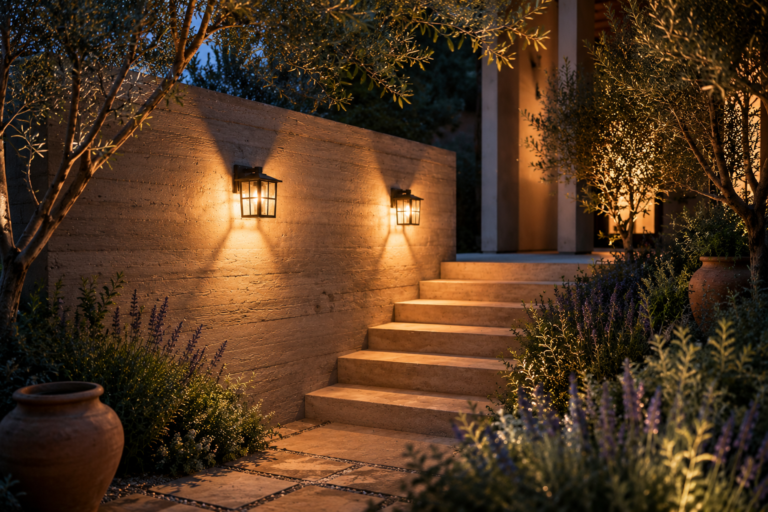
One overhead fixture may be practical for cleanup, but it rarely creates a pleasant dinner atmosphere. A better terrace uses low and side light: a wall sconce near the door, lanterns on or beside the table, and possibly a soft strand of warm lights along a beam or wall. The sources should overlap gently rather than compete.
Wall sconces suit covered terraces because they free the tabletop and give structure to the architecture. Choose blackened metal, aged brass, or a simple warm finish rather than anything glossy. Lanterns add intimacy, especially when placed off-center or grouped near plants instead of lined up symmetrically. If you use rechargeable or solar lighting, check that the tone is warm enough; cold light can make terracotta and limestone look gray.
Think about glare as much as brightness. A beautiful bulb at eye level can ruin a meal if it shines directly across the table. Shades, frosted glass, woven diffusers, and indirect placement are often more important than adding more fixtures.
Set the table for everyday meals, not only summer guests
A covered Mediterranean terrace should not require a full styling session before it can be used. The everyday table can be simple: ceramic plates, a linen runner, a water carafe, a small bowl for fruit or olives, and perhaps a low vase with clipped herbs. The charm comes from repetition and ease, not from elaborate tablescapes.
Linen is especially useful outdoors because it looks better slightly rumpled. A runner is more practical than a full tablecloth if the terrace is used often; it defines the center of the table but leaves the surface easy to wipe. Choose natural, oatmeal, stone, or faded olive tones rather than bright white if dust and pollen are part of daily life.
Ceramic dinnerware brings weight and texture, but it does not need to be ornate. In a Provençal setting, a plain off-white plate or handmade-looking neutral glaze often feels more elegant than a heavily patterned set. If you like pattern, use it in a small serving bowl or napkin rather than across every place setting.
Storage matters. A handmade basket near the door can hold folded napkins, a light throw, or candles between meals. If the terrace is exposed to damp air, bring textiles inside at night or keep them in a lidded storage piece. The most functional terraces have a small rhythm: sweep the floor, wipe the table, set the runner, light the lanterns. Nothing more complicated is needed.
Use planting to frame the meal, not crowd it
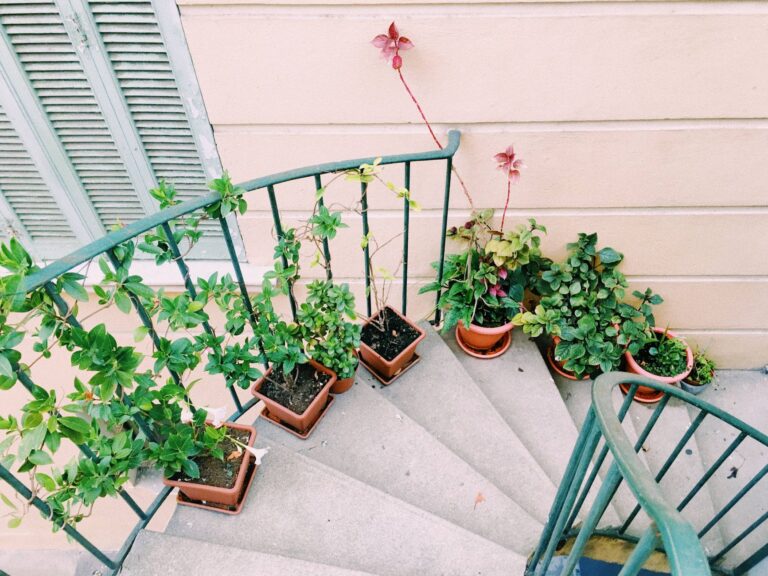
Terracotta pots are essential to the mood, but too many small pots can make a dining terrace feel busy and difficult to clean. Fewer, larger containers usually look calmer and are easier to water consistently. Place them where they frame the space: near a column, at the outer edge, beside steps, or against a blank plaster wall.
Choose plants according to the actual light, not the fantasy of a Mediterranean courtyard. Lavender, rosemary, olive, and citrus need generous sun to look their best. On a covered terrace with limited direct light, herbs may stretch and flowering plants may disappoint. In partial shade, consider sculptural foliage, hardy Mediterranean-leaning greenery, or seasonal pots that can be refreshed without redesigning the whole terrace.
Drainage is not decorative, but it is crucial. Terracotta breathes, which is part of its beauty, but pots still need drainage holes and proper saucers if they sit on limestone or tile. Water marks can become part of the patina outdoors, but constant damp rings near a dining area feel neglected. Raise heavier pots slightly on discreet feet if water needs to escape.
Let the planting remain slightly imperfect. A terrace with one clipped olive, a pot of rosemary, and a few herbs near the table often feels more authentic than a crowded display of matching planters. The best Provençal outdoor rooms have air around each object.
Shop the Look
These pieces support the covered terrace approach: warm materials, useful lighting, simple table texture, and planting that feels at home beside stone and plaster.
- oversized terracotta pots
- outdoor wall sconces
- handmade storage baskets
- soft terrace lighting
- linen table runner
- simple ceramic dinner plates
The terrace should feel like an outdoor room with its own quiet routine
A good covered Mediterranean terrace is not defined by decoration alone. It is defined by how comfortably people move through it, how the table sits in relation to the house, how the light changes after sunset, and how easy it is to sweep, water, serve, and linger.
Begin with the essentials: a table that fits, a floor that can tolerate real life, lighting that flatters rather than glares, and plants placed with breathing room. Add linen and ceramics only after the layout works. When the materials are honest and the palette comes from the house itself, the terrace feels settled rather than styled, ready for coffee in the shade, a simple lunch, or a long dinner that continues after the garden has gone dark.
Affiliate disclosure: La Maison du Sud may earn a commission from qualifying purchases made through links in this article, at no extra cost to you.